
Automotive Material Applications
Cold-Forming Materials for Automotive Components
Focusing on specific metal parts within the body, chassis, powertrain, and safety systems, we align application locations, forming requirements, and material development.
Cold-heading wire · Shaped wire · Cold-drawn seamless shaped tube
Material forms and delivery conditions are evaluated based on part geometry and processing routes.
Browse by System
Find Your Application System
First clarify the part’s function within the assembly, then discuss material form, processing route, and acceptance criteria.
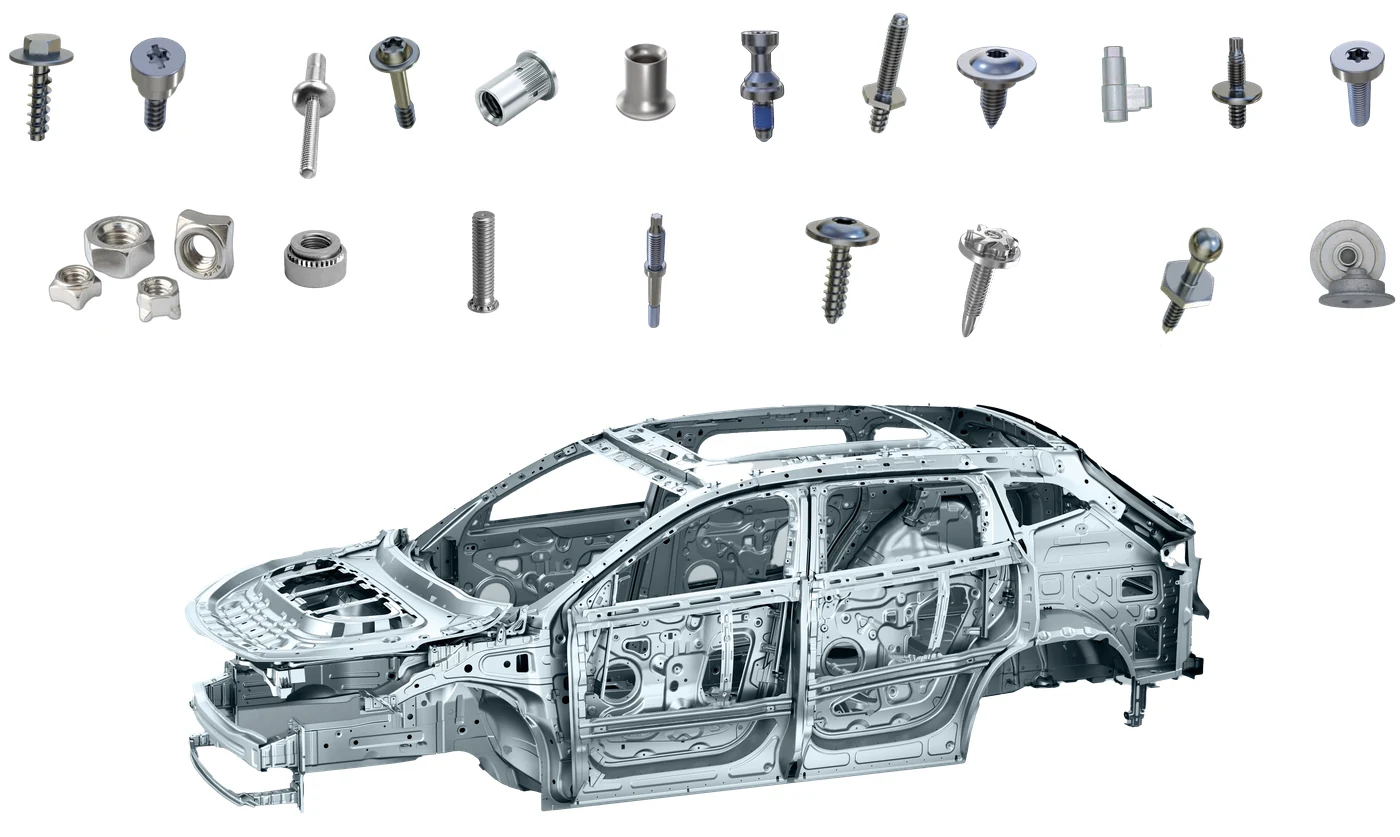
Body and Door Mechanisms
From body assembly to door hinges and locking mechanisms, material requirements are discussed with respect to connections, positioning, and moving components.
- Typical Components for Development
- Parts related to connecting bolts, rivets, hinge pins, and locking mechanisms
- Key Material Requirements
- Review forming ductility, dimensional tolerances, surface quality and later surface treatment for the head, steps and hinge features.
- Discuss a Material Solution
- Discuss cold-heading wire based on part drawings; custom cross-sections or hollow structures require separate evaluation of shaped materials and seamless tubes.
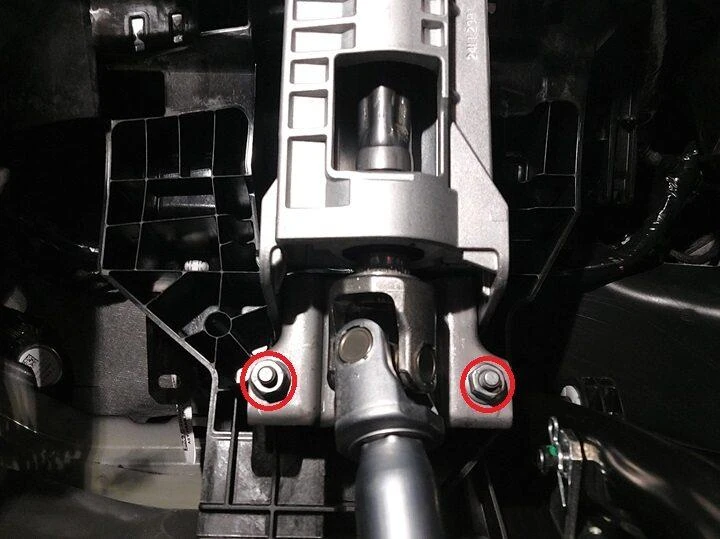
Suspension and Steering
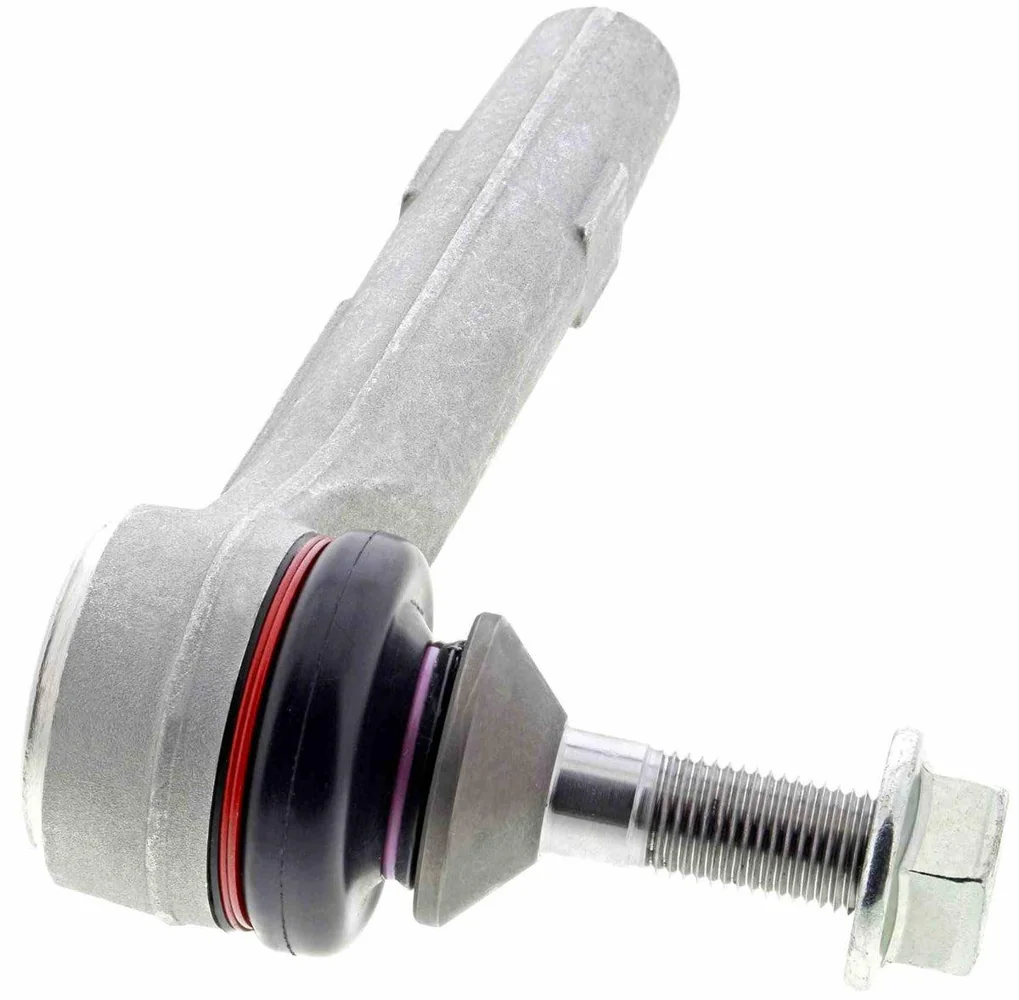
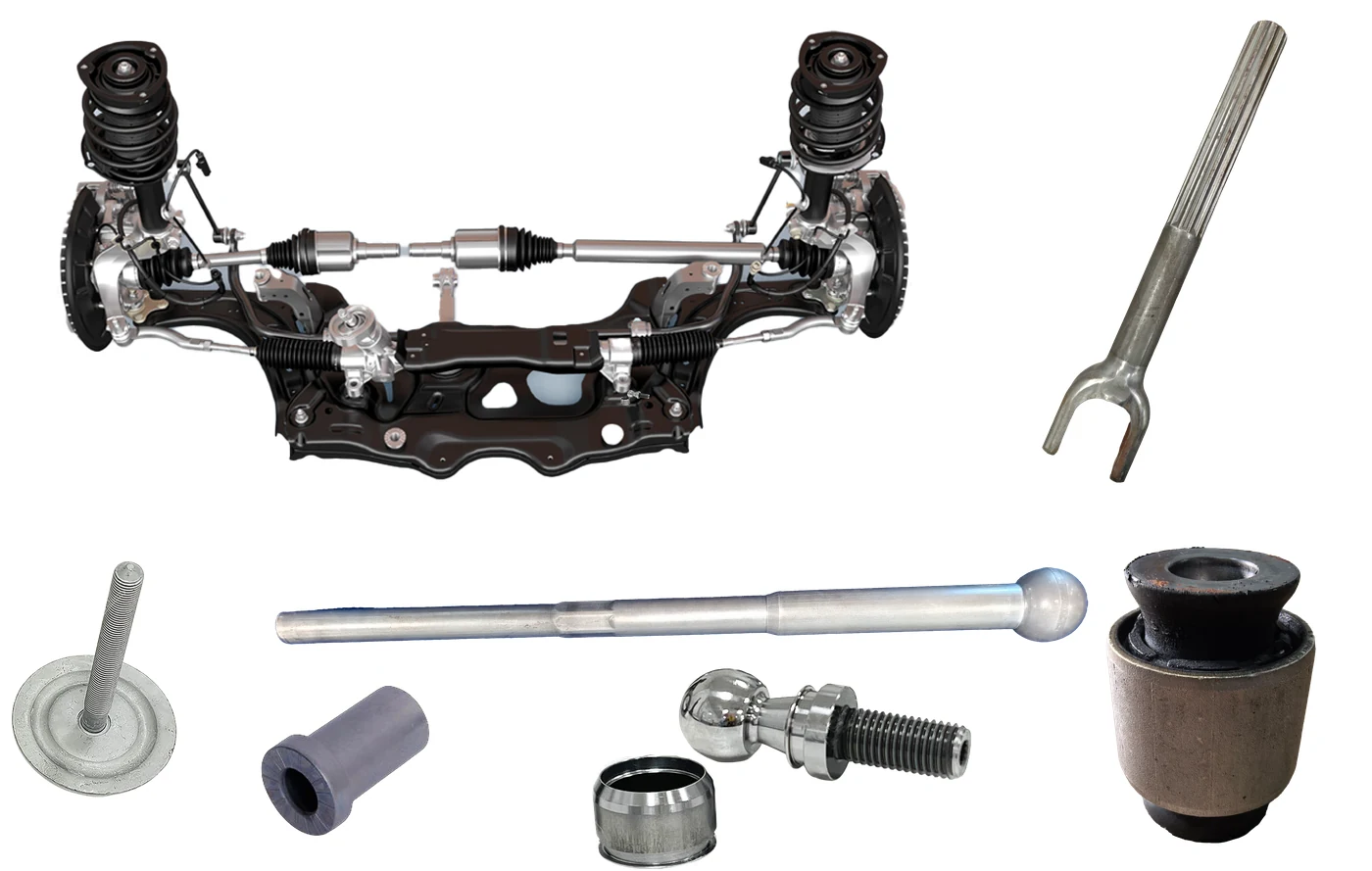
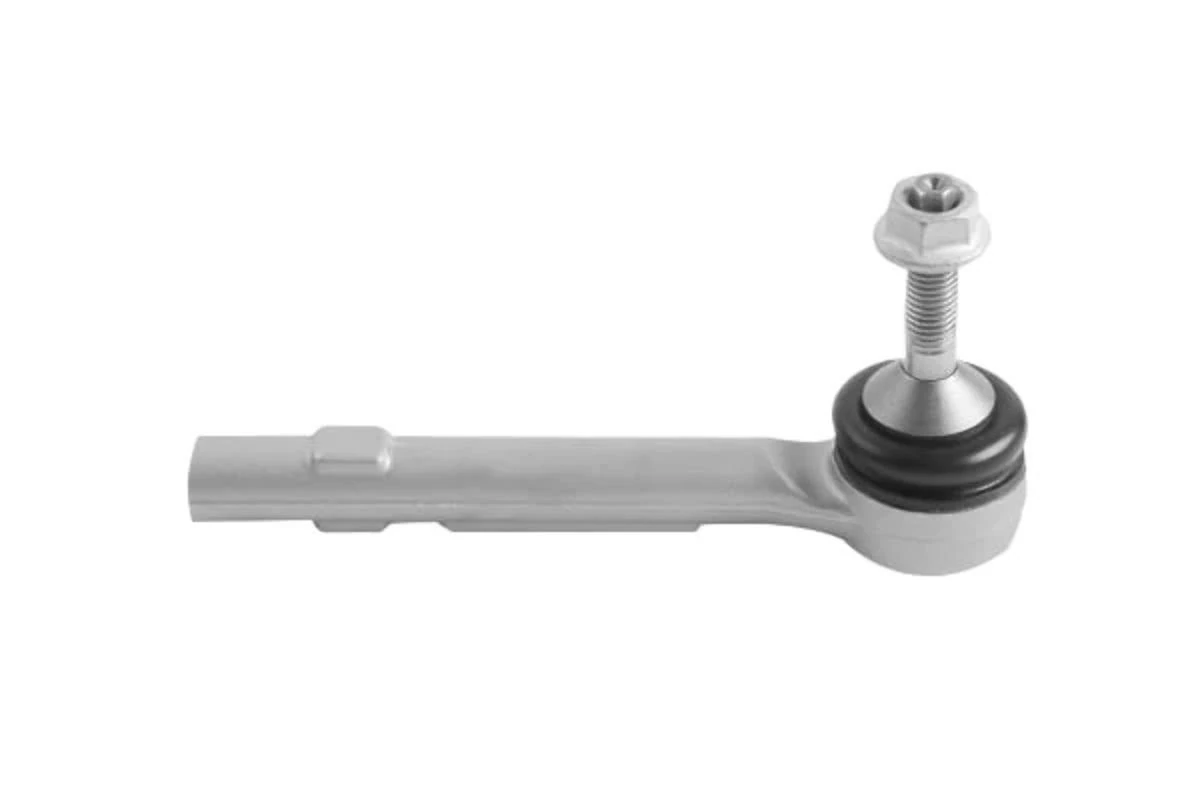
Focus on ball joint connections, supports, and locking components, considering forming requirements, subsequent machining, and service conditions.
- Typical Components for Development
- Ball pins, connecting bolts, lock nuts, and related shaft-type parts
- Key Material Requirements
- Requirements for large-strain forming, subsequent turning, and heat treatment should be reviewed together; material inspection items are determined in conjunction with surface and internal quality as well as project-specific requirements.
- Discuss a Material Solution
- Discuss cold-heading wire and material development solutions based on part geometry; the steering ball joint case can serve as a reference for project communication.
Front and Rear Suspension and Steering Connections
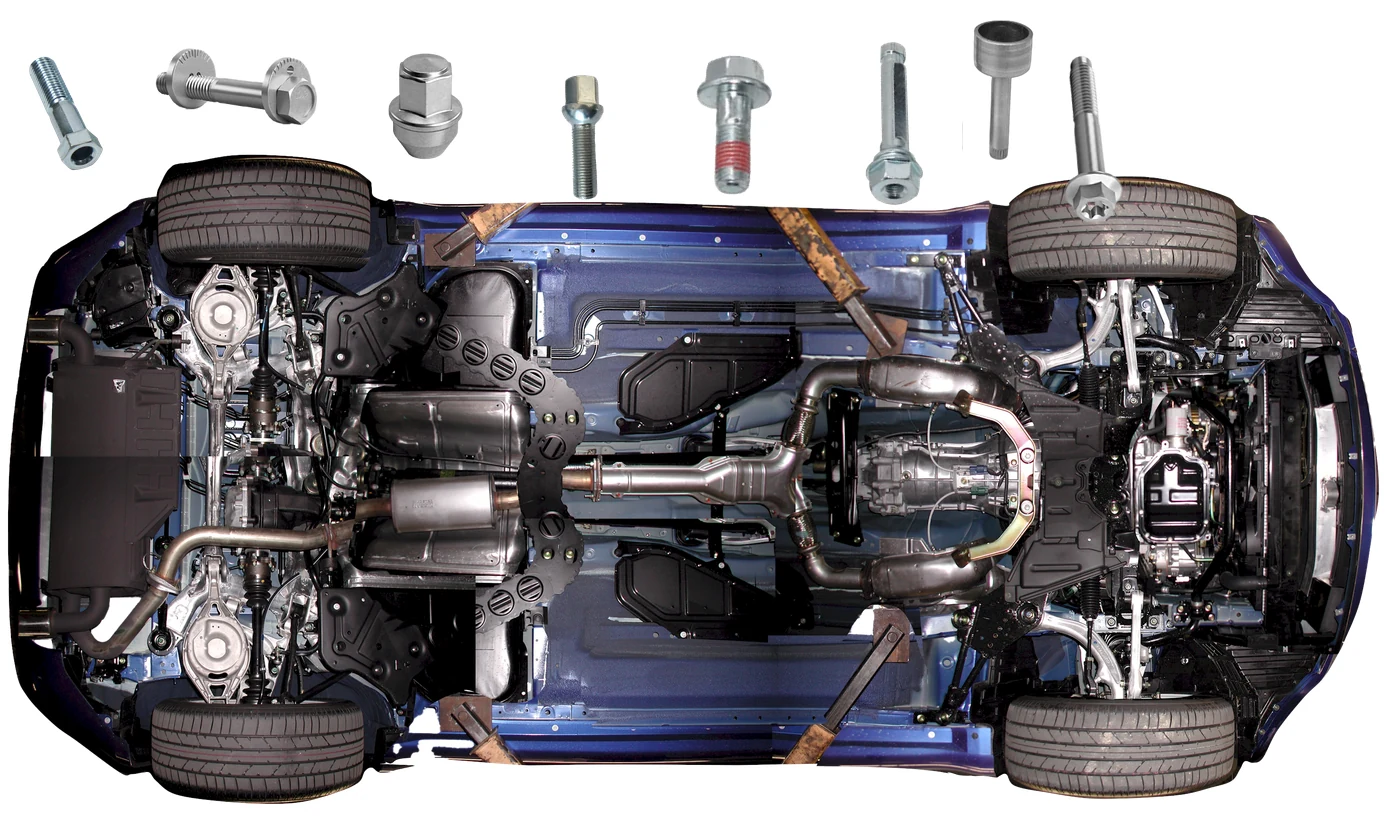
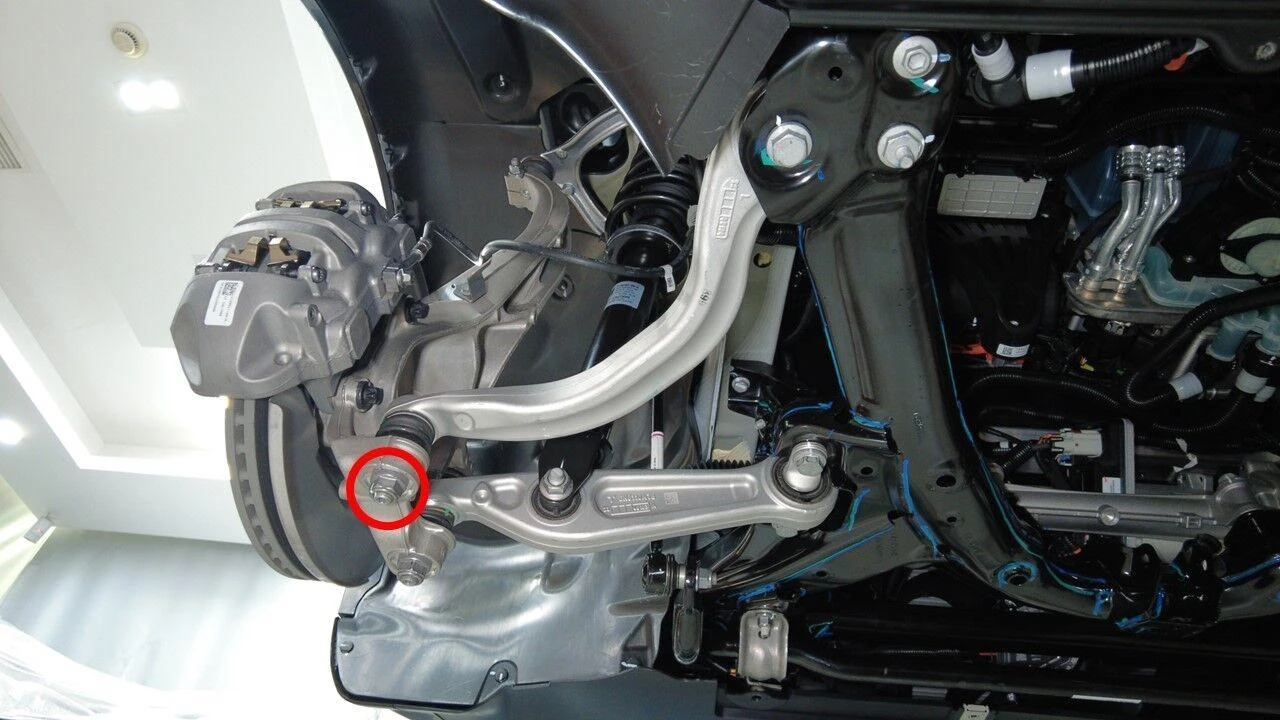
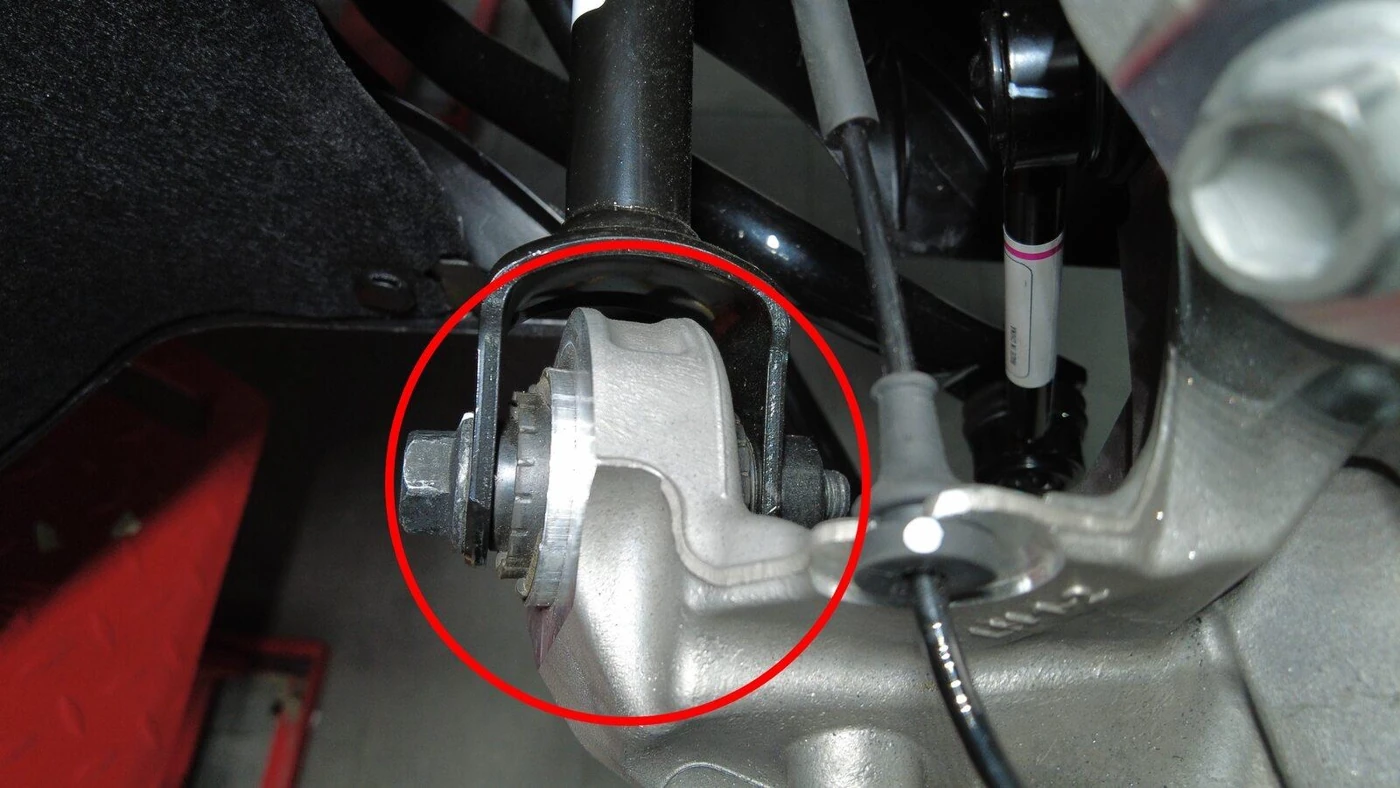
Differentiate between ball pins, connecting bolts, and locking components in the front suspension, rear suspension, and steering system, evaluating them in conjunction with their assembly locations and subsequent heat treatment.
Braking System
Focus on connection, guidance, and positioning parts within the braking system to identify specific development targets.
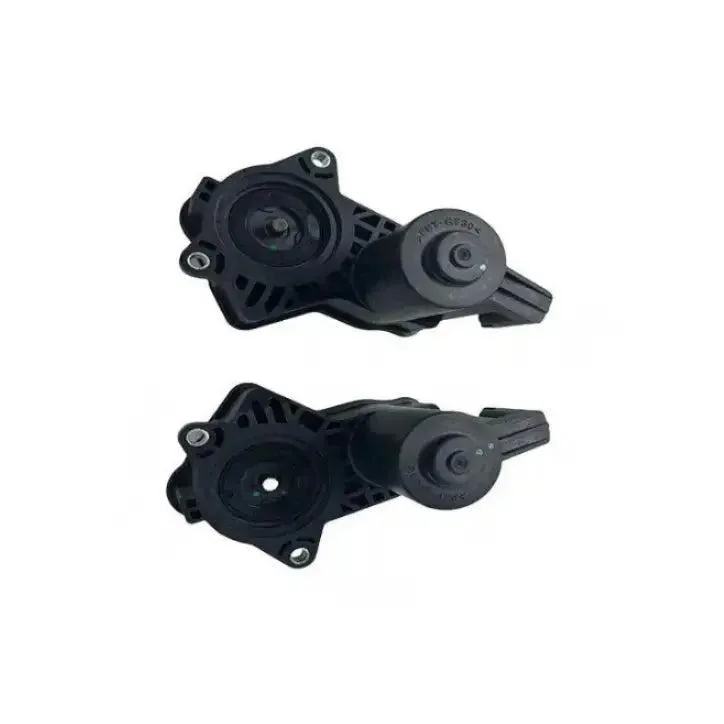
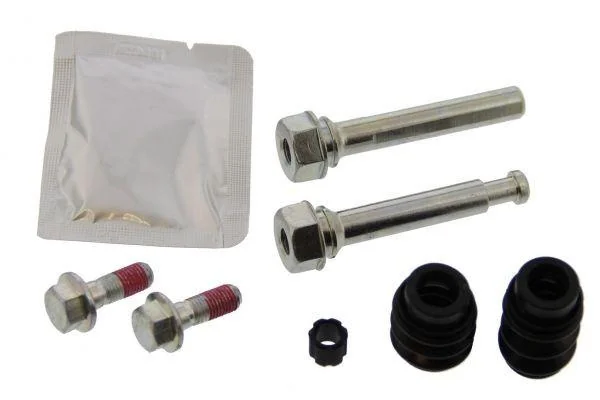
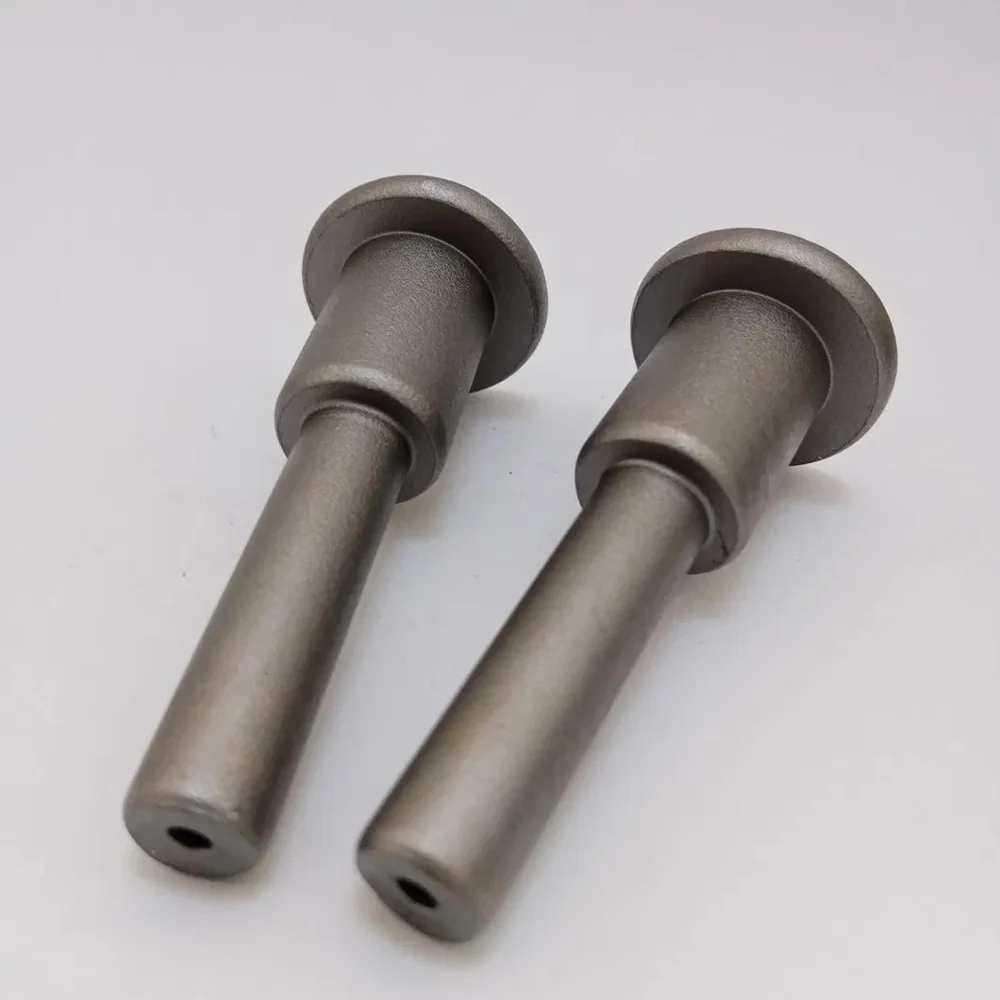
Assembly views show application context; individual-part images show appearance. Their presentation together does not establish a matched assembly or fit.
- Typical Components for Development
- Connecting bolts, guide pins, rivets, and related positioning parts
- Key Material Requirements
- Confirm mating dimensions, surface condition, subsequent machining, and corrosion-protection requirements based on the actual part, distinguishing between material delivery properties and finished-part performance.
- Discuss a Material Solution
- Assess cold-heading wire against the actual drawing for the guide, connecting or riveting part. The caliper assembly does not establish the material of every component.
Engines, Electric Drives, and Transmissions
For connecting and positioning parts in engines, electric drive assemblies, gearboxes, and transmission mechanisms.
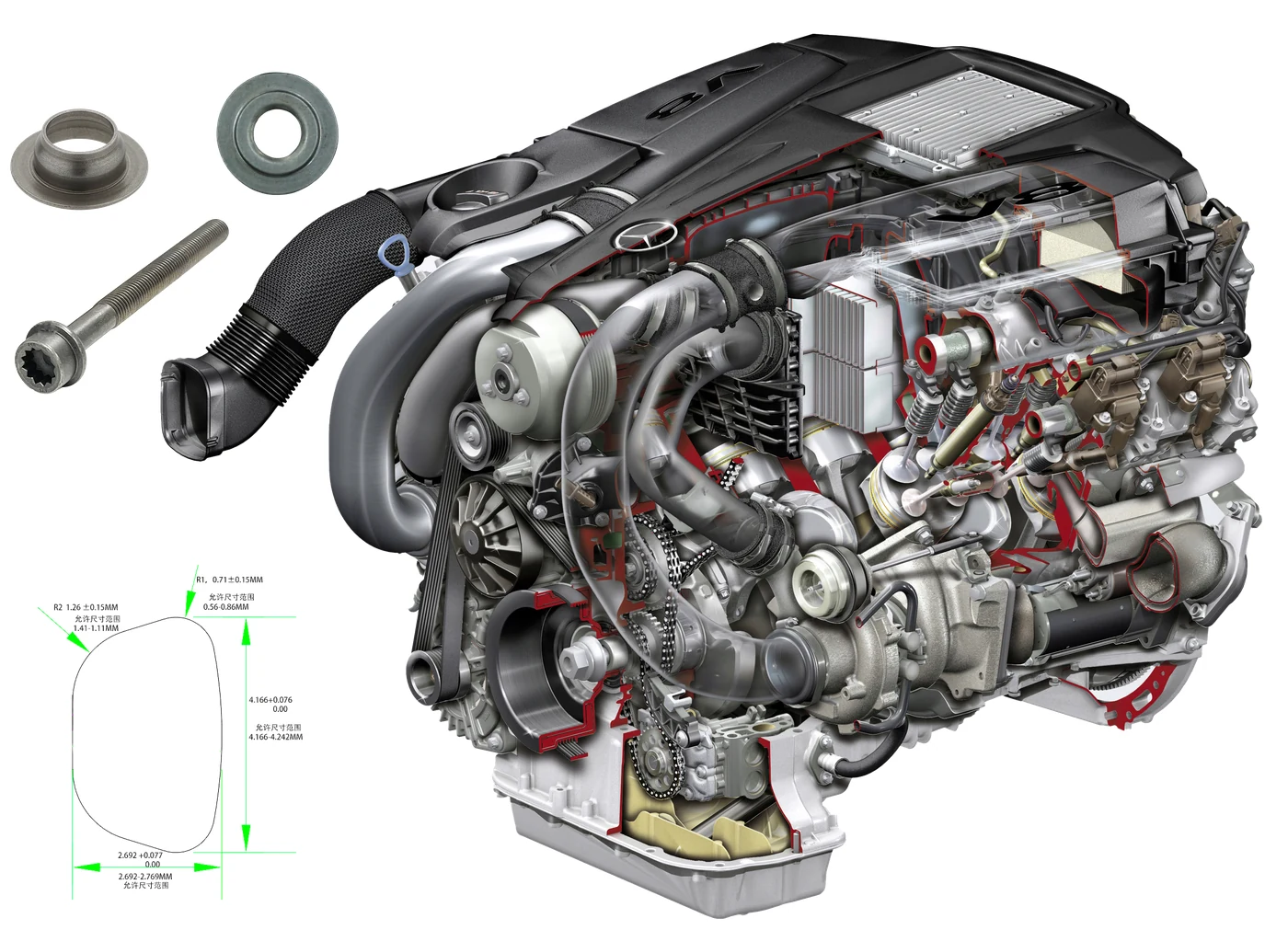
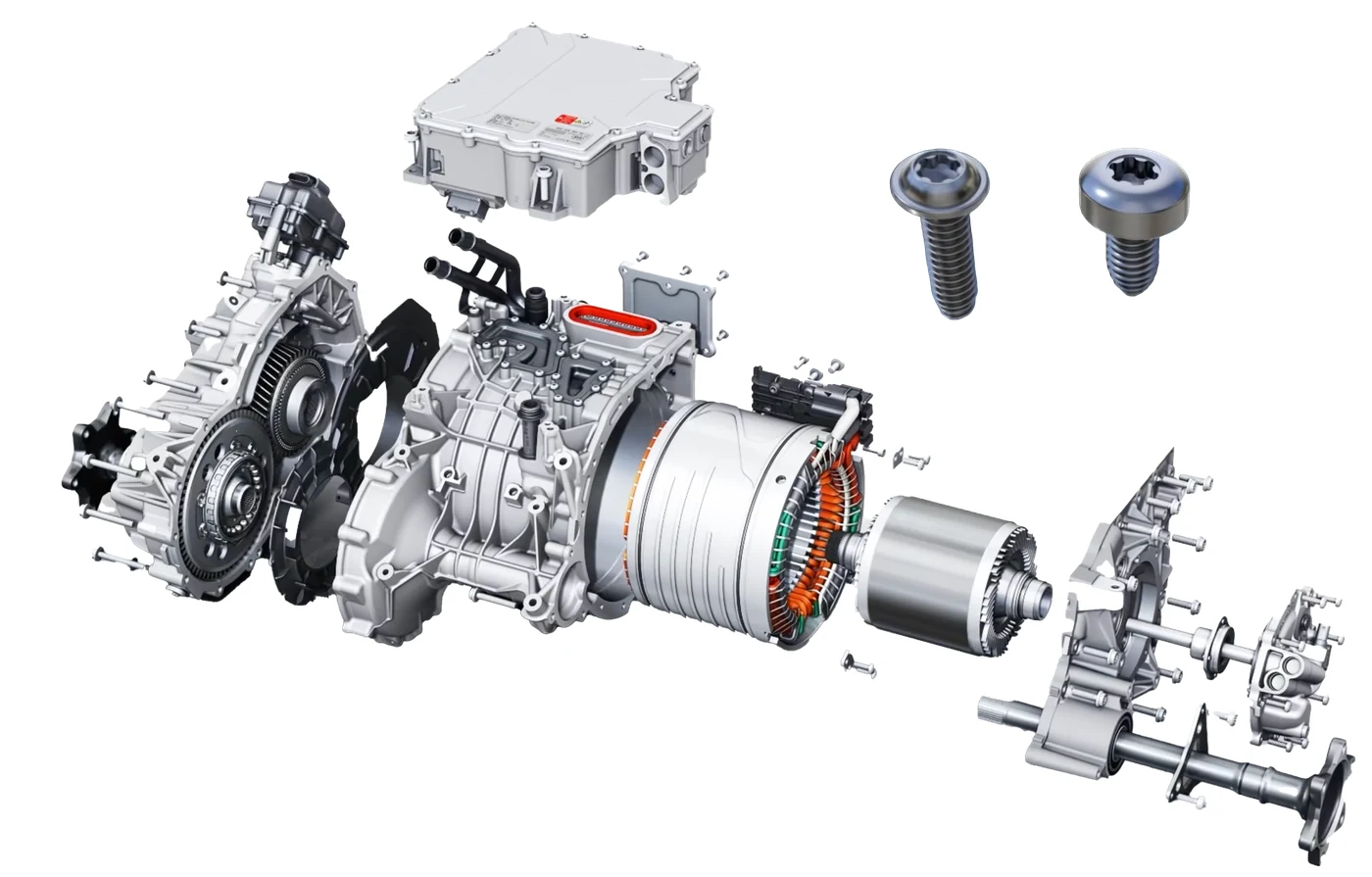
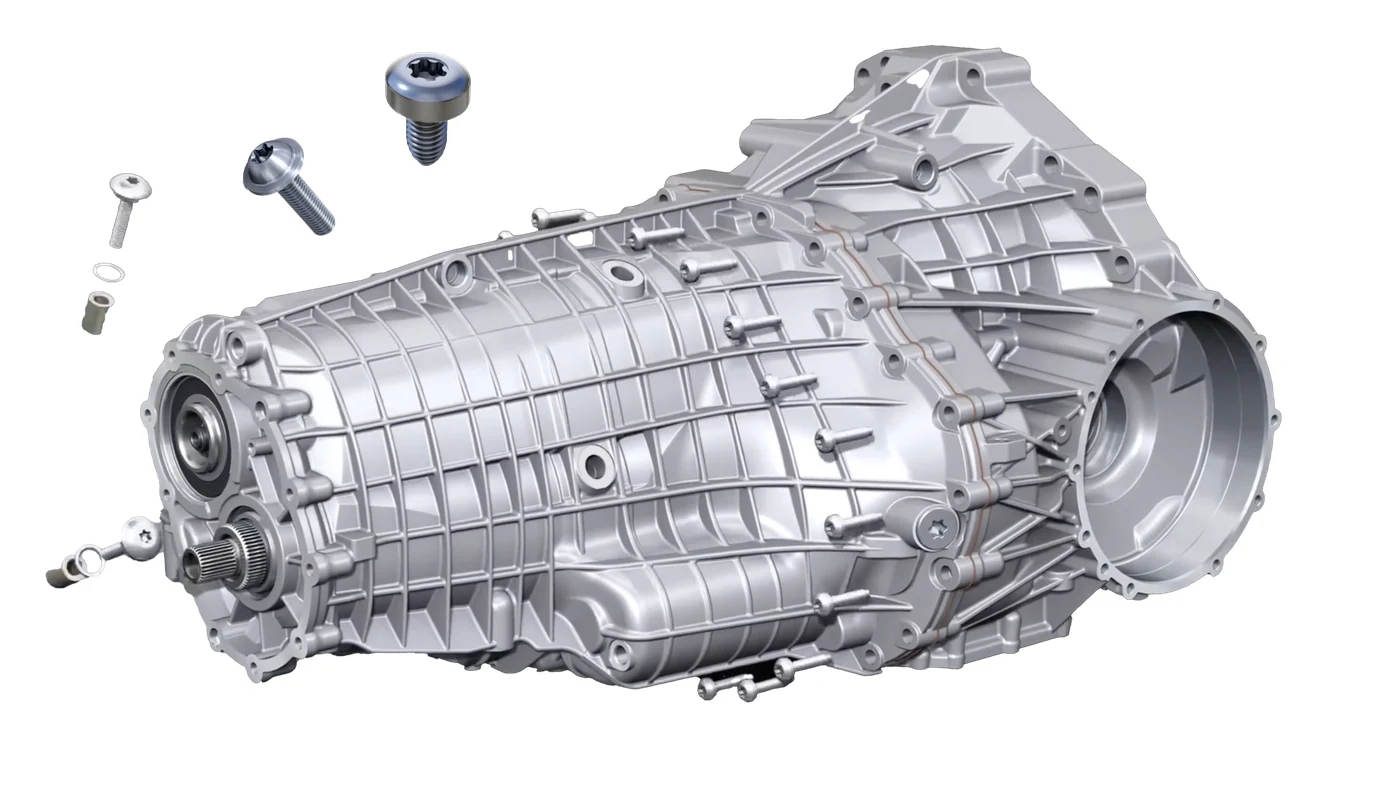
- Typical Components for Development
- Assembly Connection Bolts, Screws, Pins, and Related Cold-Formed Parts
- Key Material Requirements
- Confirm forming and delivery requirements in conjunction with the assembly location, heat treatment, and subsequent machining; final strength and service conditions are verified separately for each project.
- Discuss a Material Solution
- Discuss cold-heading materials starting from the requirements of connecting, positioning, or shaft-type parts; complex transmission components require prior verification of their structure and machining process.
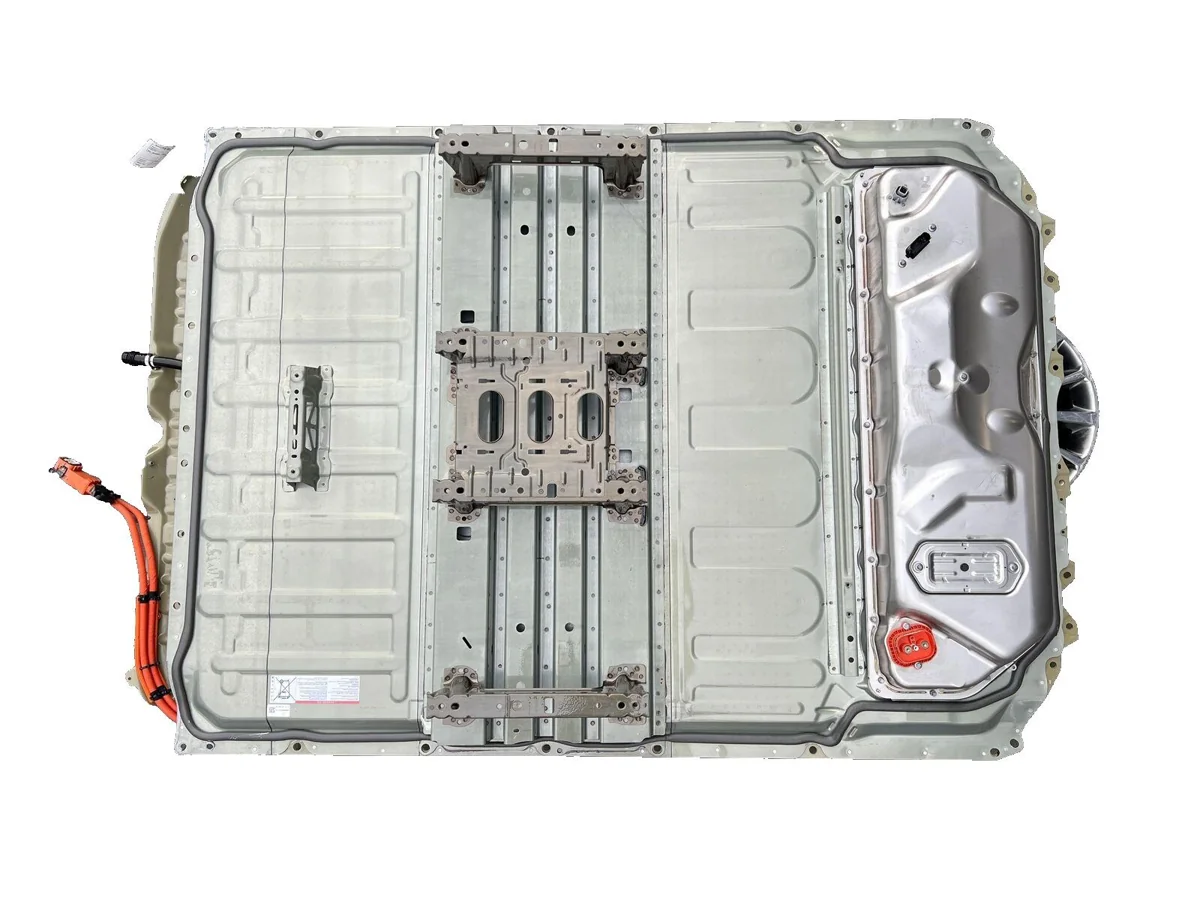
Traction Battery and Charging Systems
From battery pack fastening to charging mechanism connections, first distinguish between mechanical fasteners and electrical functional components.
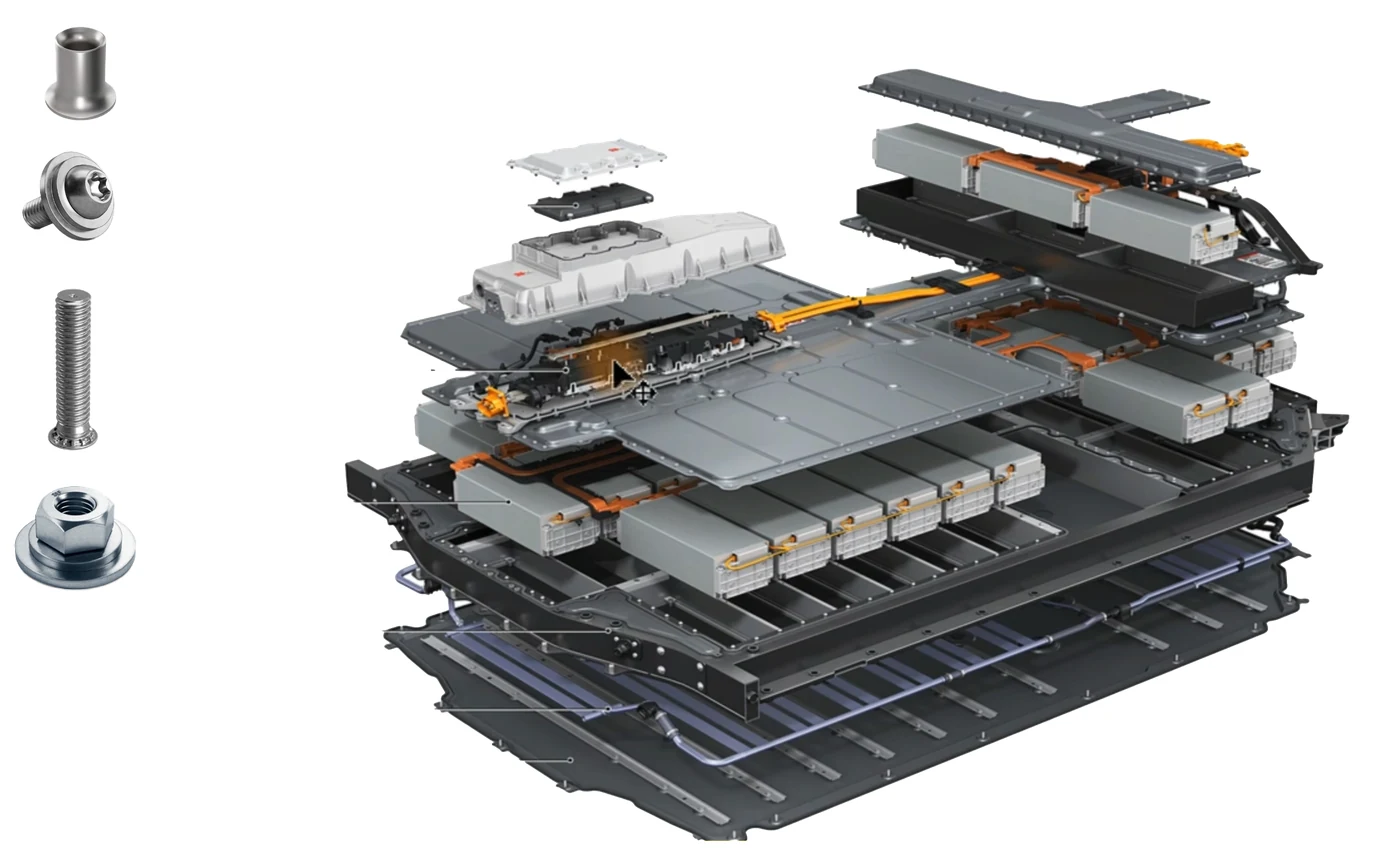
- Typical Components for Development
- Battery-pack connecting bolts, screws and metal fasteners for charging mechanisms
- Key Material Requirements
- Confirm dimensions, surface treatments, assembly, and environmental requirements based on the part’s location; functions involving conductivity, insulation, or sealing should be specified separately.
- Discuss a Material Solution
- Discuss cold-heading materials for mechanical fasteners according to the drawings; electrical functional components do not directly adopt material specifications for mechanical fasteners.
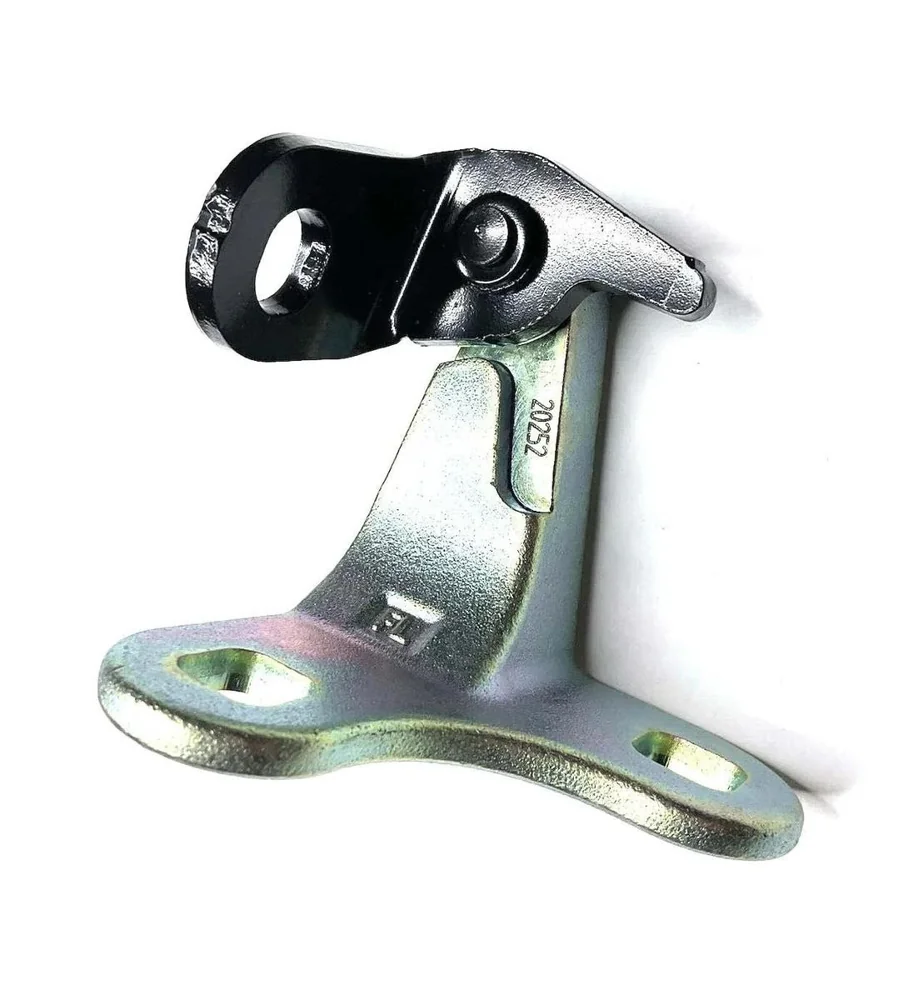
Charging Mechanism Connections
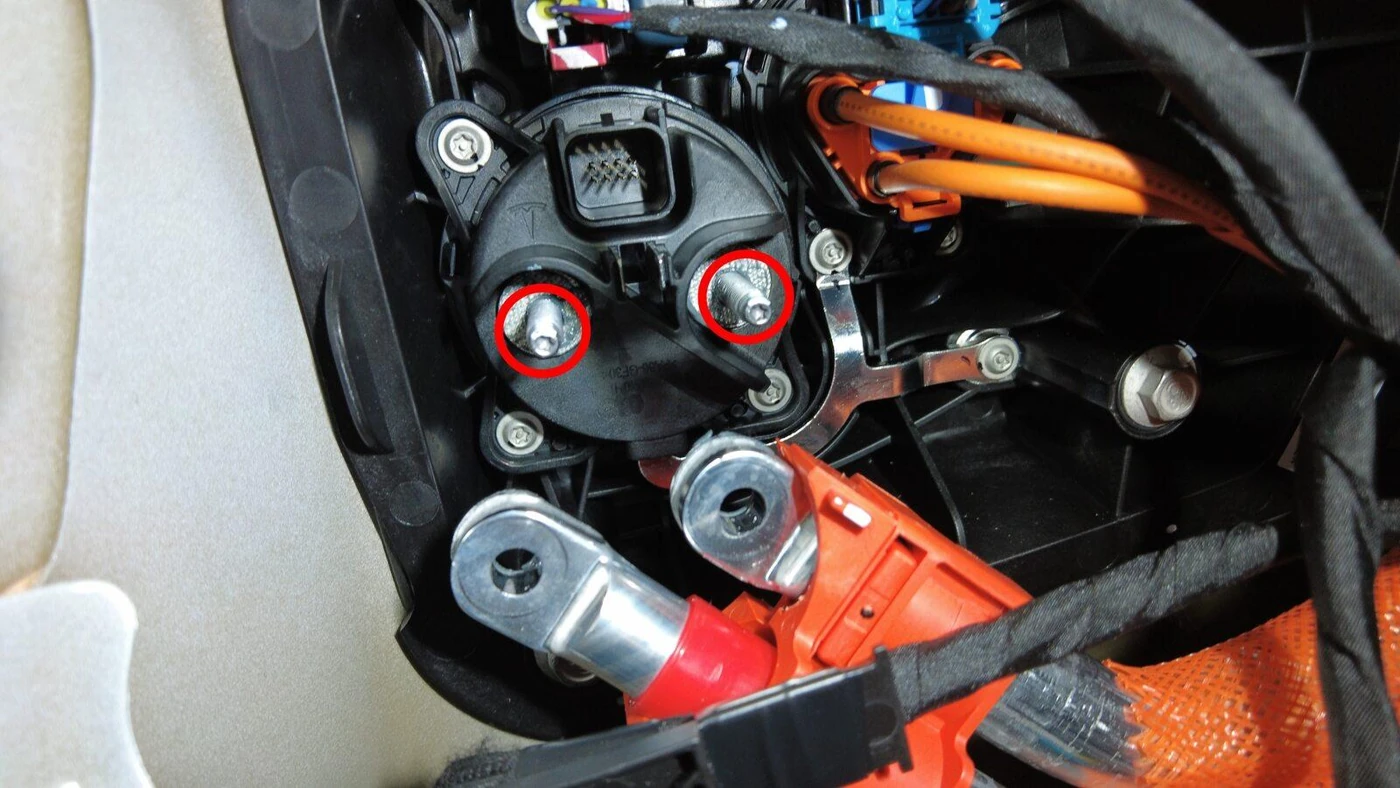
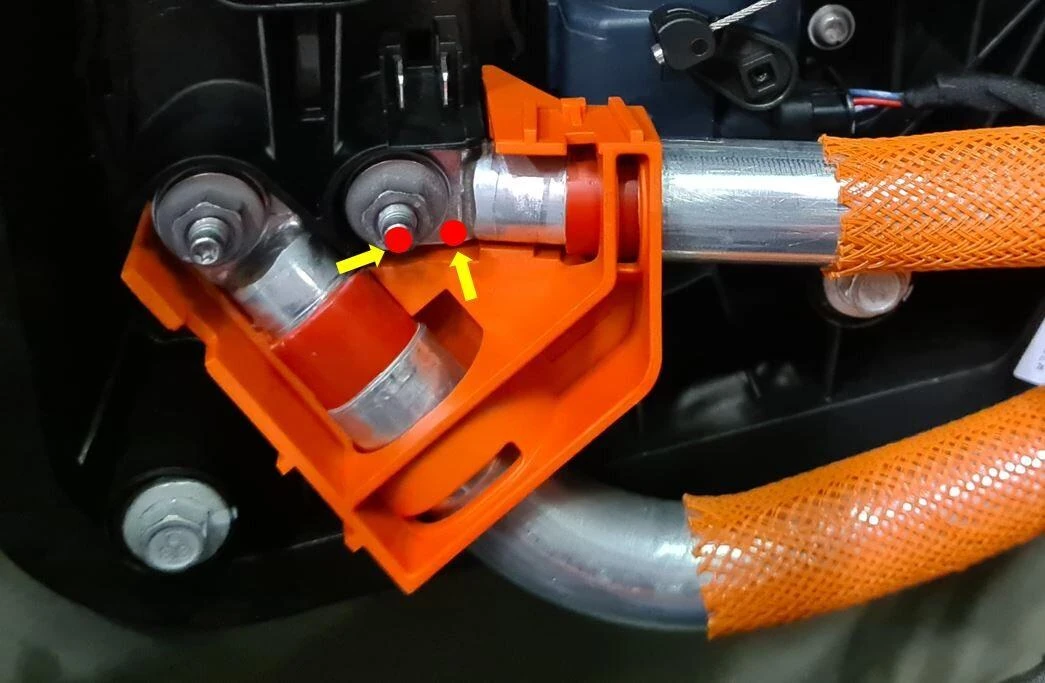
Focus on the installation, positioning, and bracket connections of the charging lock mechanism. Material requirements for mechanical fasteners and high-voltage conductive terminals should be assessed separately.
Seat Mechanisms
Review connecting, locating and supporting parts in seat frames, adjustment mechanisms and hinges.
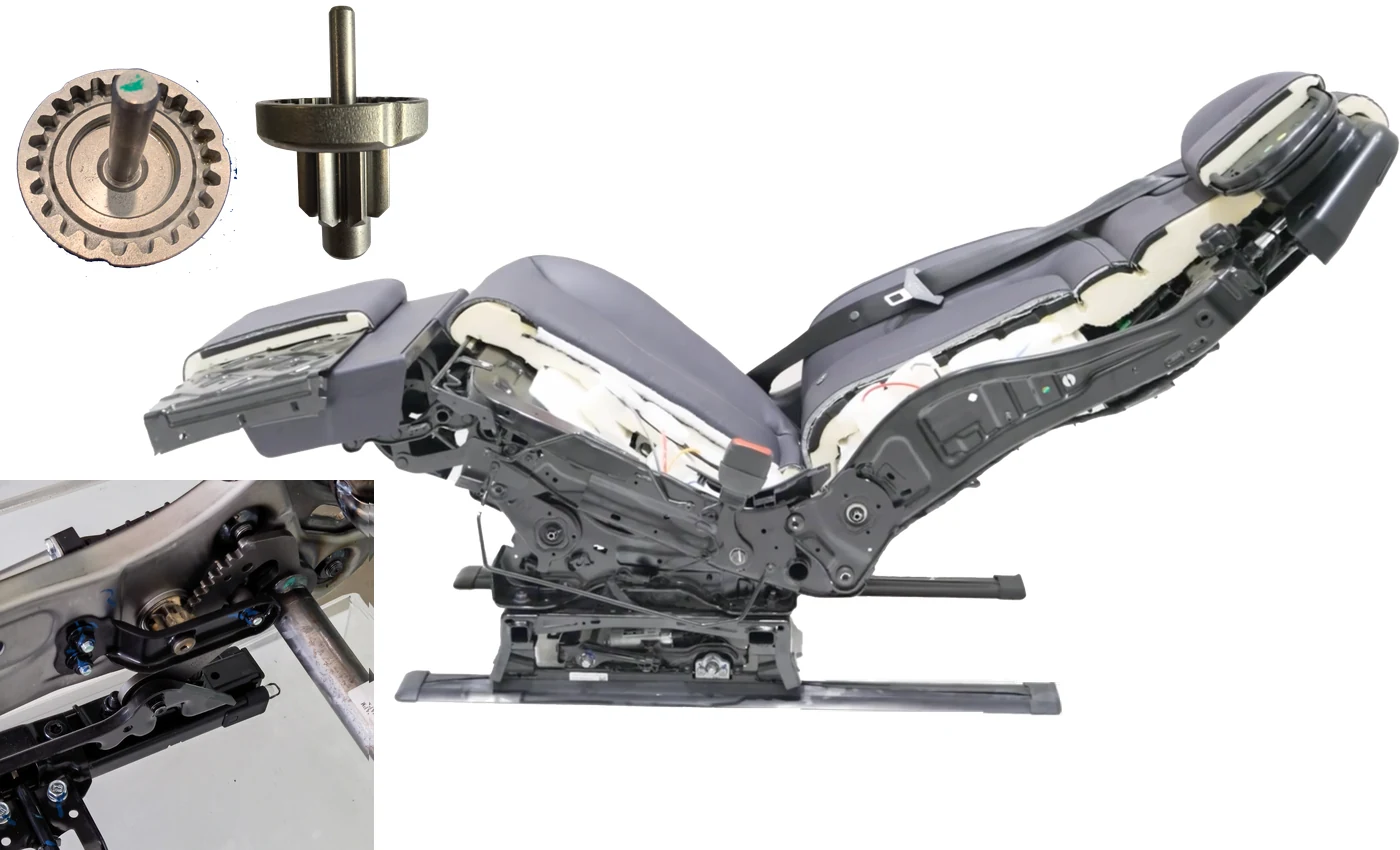
- Typical Components for Development
- Connecting Bolts, Rivets, Hinge Pins, and Sleeve-Type Parts
- Key Material Requirements
- Material requirements should consider forming, riveting, or assembly, as well as fit dimensions and surface condition; specific inspection criteria are confirmed per part drawing.
- Discuss a Material Solution
- Discuss cold-heading wire for pins, rivets, and connectors; sleeve-type parts require prior review of cross-section, wall thickness, and actual machining method.
Seat Belts and Airbags
Focus on locking blocks, weld studs, and related connecting parts, conducting material evaluations for custom cross-sections and mechanical property ranges.
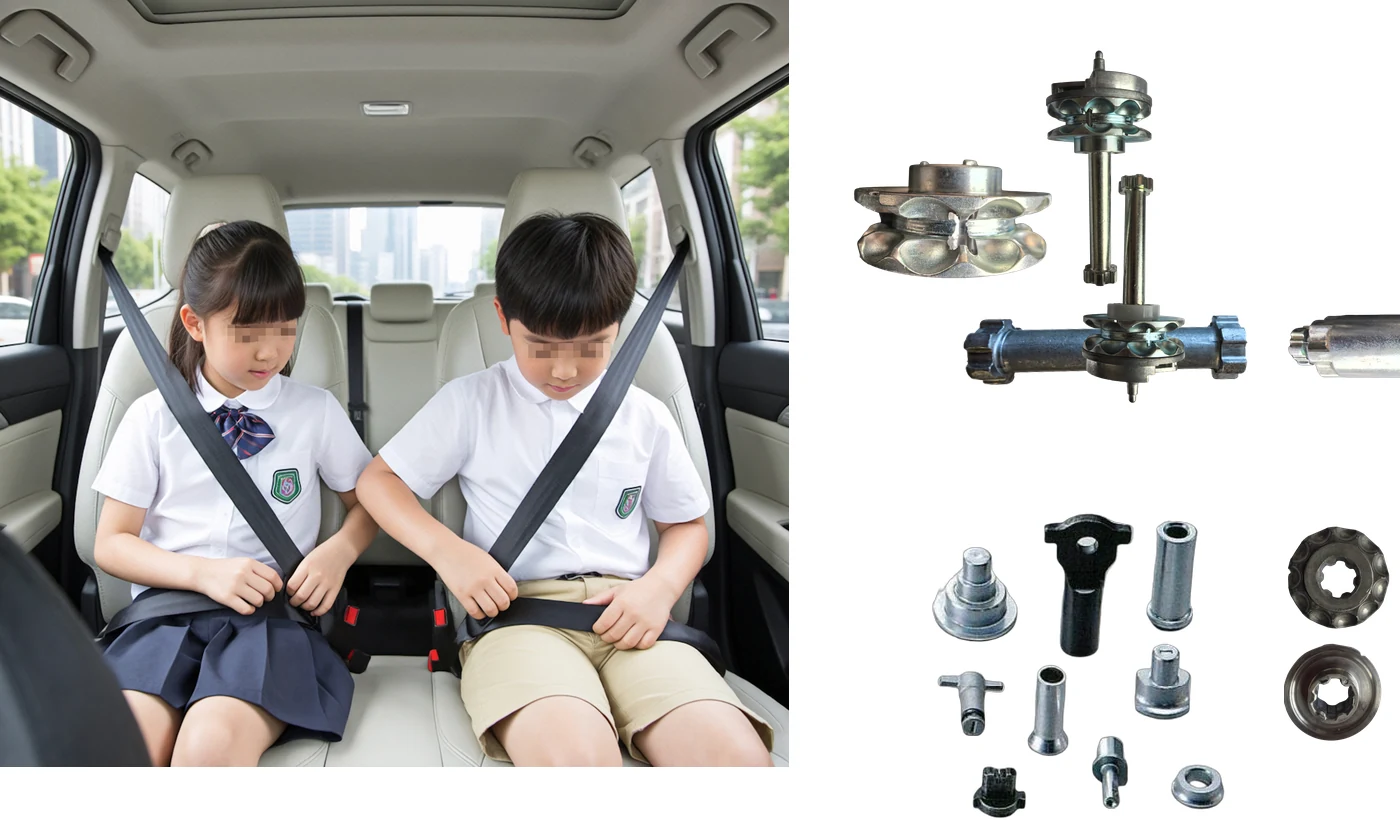
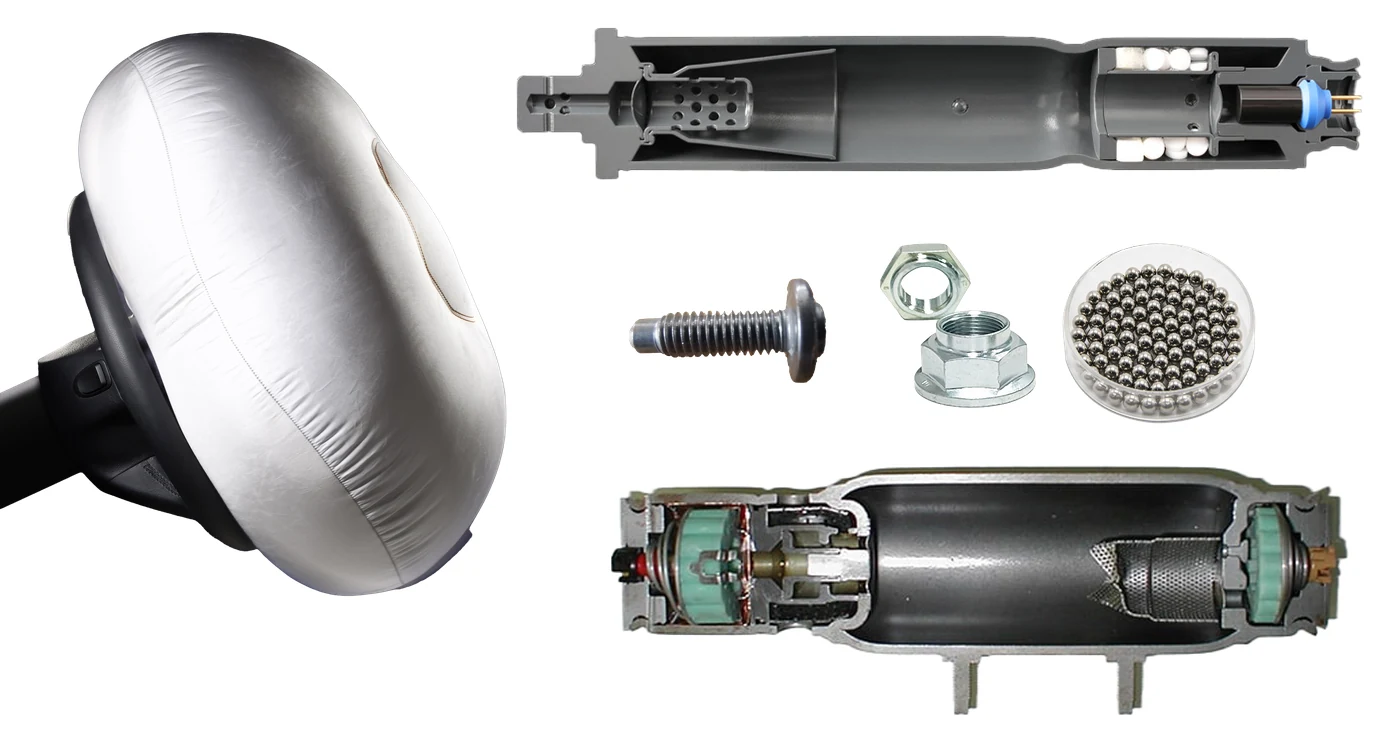
- Typical Components for Development
- Locking Block Profiles, Weld Stud Materials, and Related Connecting Parts
- Key Material Requirements
- Pay attention to custom cross-sections, mechanical property windows, and compatibility with subsequent processing; system functionality and finished-part verification are conducted separately according to project-specific technical requirements.
- Discuss a Material Solution
- Discuss profiled section materials for locking blocks; evaluate weld studs based on defined grades, specifications, and material performance requirements.
Thermal Management and Other Mechanisms
Cover connecting, positioning, and hinged parts in thermal management systems, wiper mechanisms, and window lift systems.
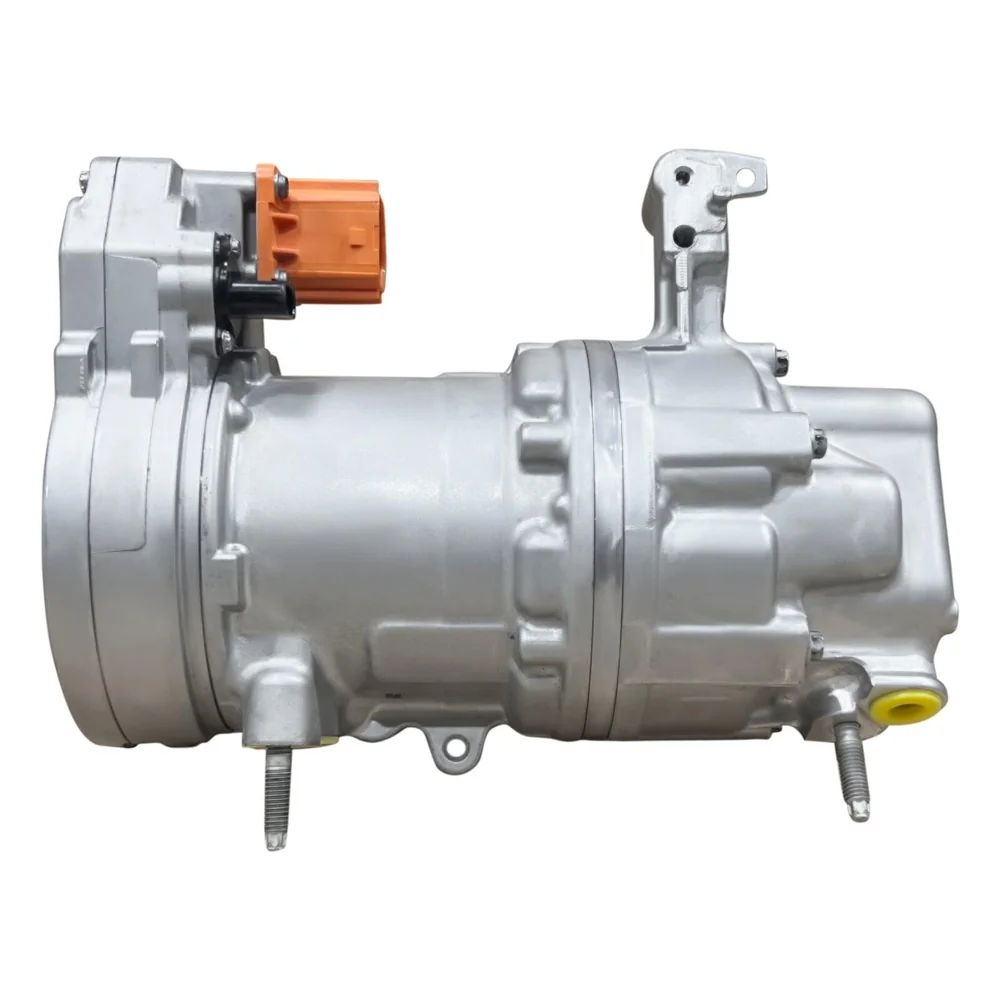
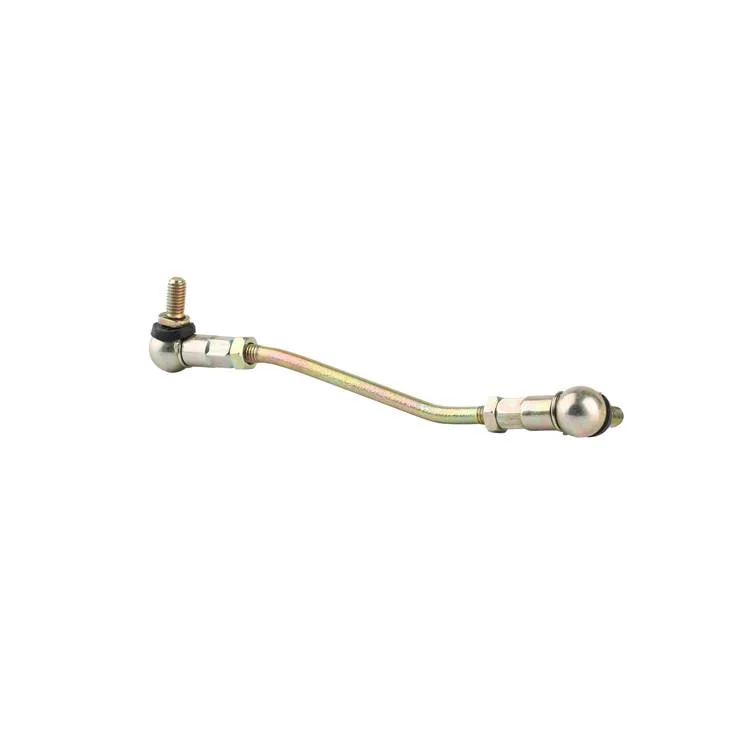
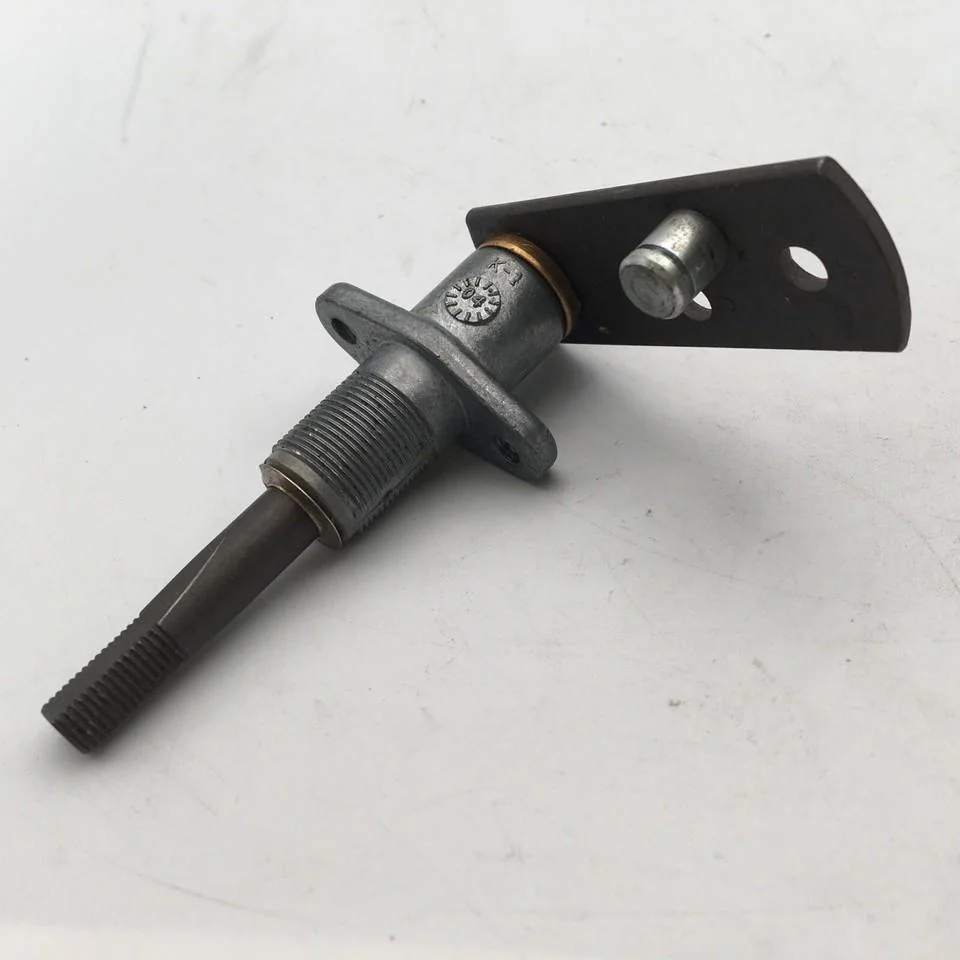
Assembly views show application context; individual-part images show appearance. Their presentation together does not establish a matched assembly or fit.
- Typical Components for Development
- Connecting screws, pins, ball joints, and related positioning components
- Key Material Requirements
- Assess the component location, moving fit and subsequent treatment requirements. Assembly appearance alone does not establish its material or manufacturing route.
- Discuss a Material Solution
- First clarify the metal part to be developed, then discuss cold-heading wire or a custom material route.
Thermal Management System Connections
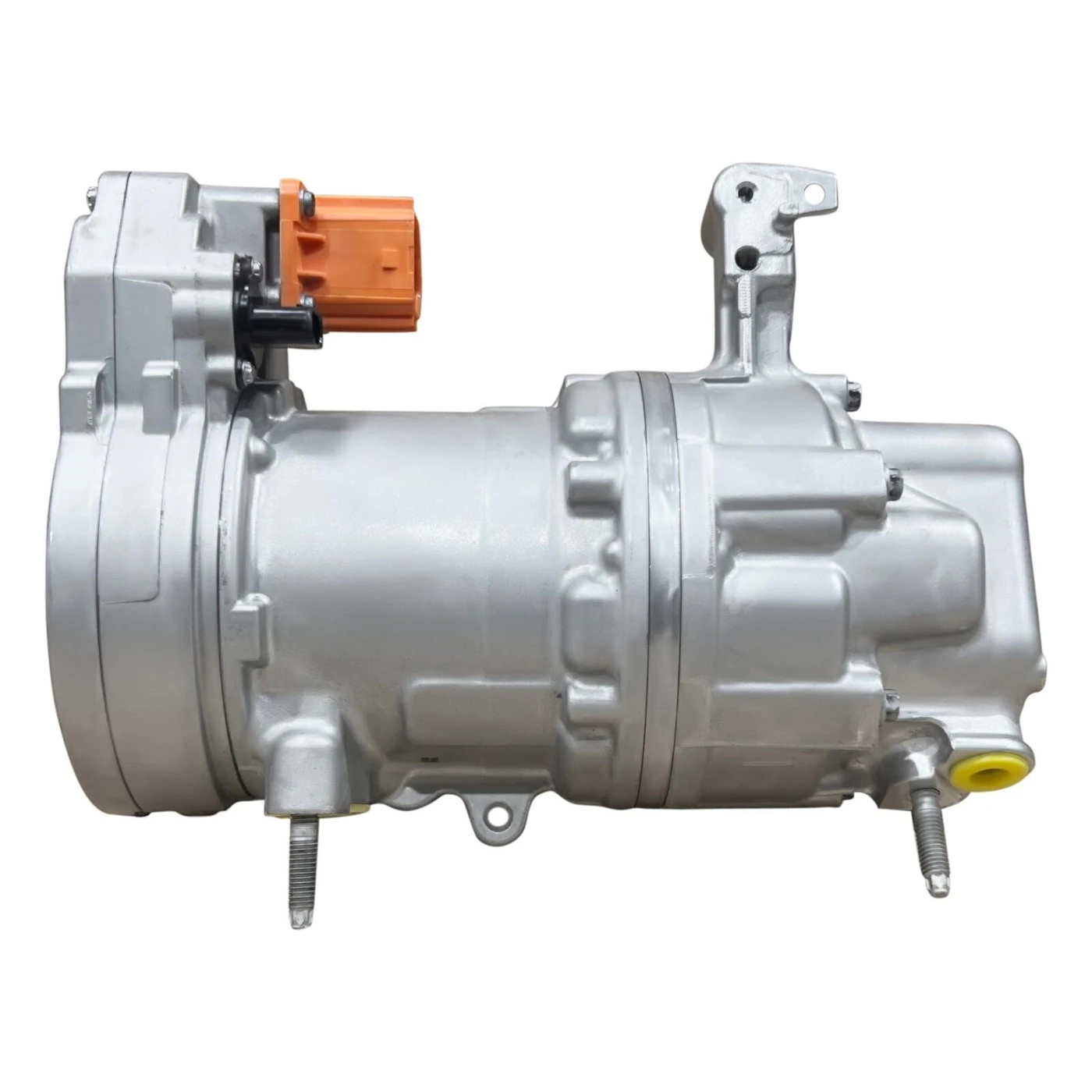
Determine the requirements for connecting screws, supports, and locating components based on the installation locations of compressors, pump valves, and casings; do not infer materials from the appearance of the assembly.
Wiper and Window Lift Connections
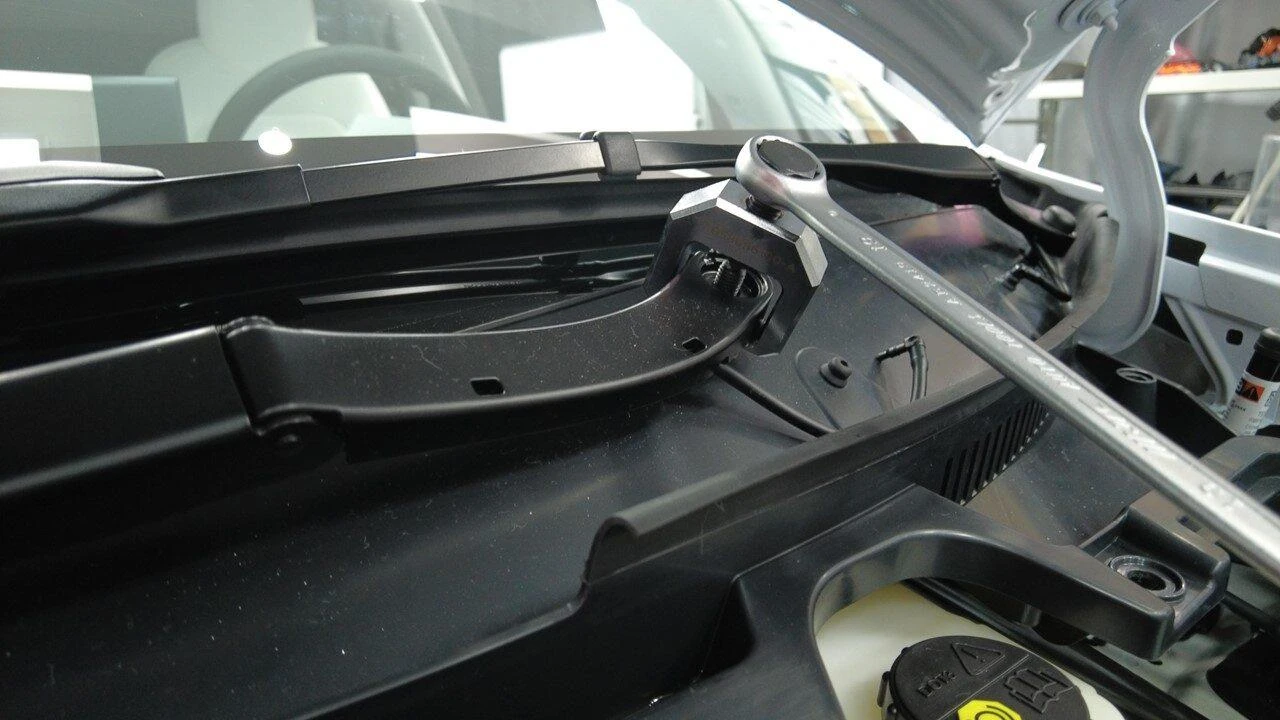
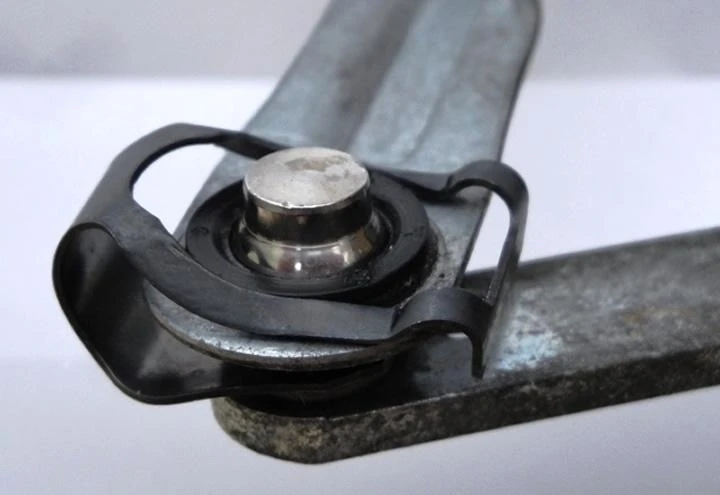
Discuss the materials and assembly requirements for pins, rivets, and connecting screws in relation to bracket fixation, linkage articulation, and ball joint connections.
Material Development Cases
Material development starting from specific parts
The following examples retain material information from the original public cases. Supply and acceptance conditions require project confirmation.
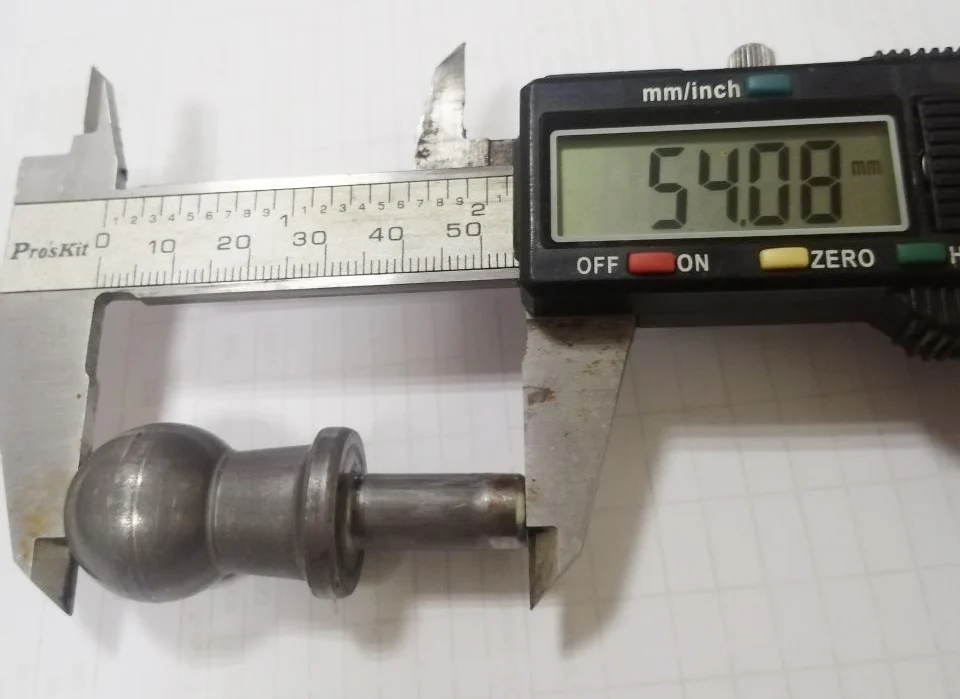
Steering ball joint material localization
- Component Requirements
- Development of domestic materials for imported steering ball joints.
- Development direction
- Review the combined requirements for strength, severe forming and subsequent turning.
- Original case material
- 41CrS4; the original case cites EN 10263.
Confirm the applicable standard part and edition, delivery condition, inspection items and trial-acceptance criteria in the project documents.
Discuss material requirements for similar parts →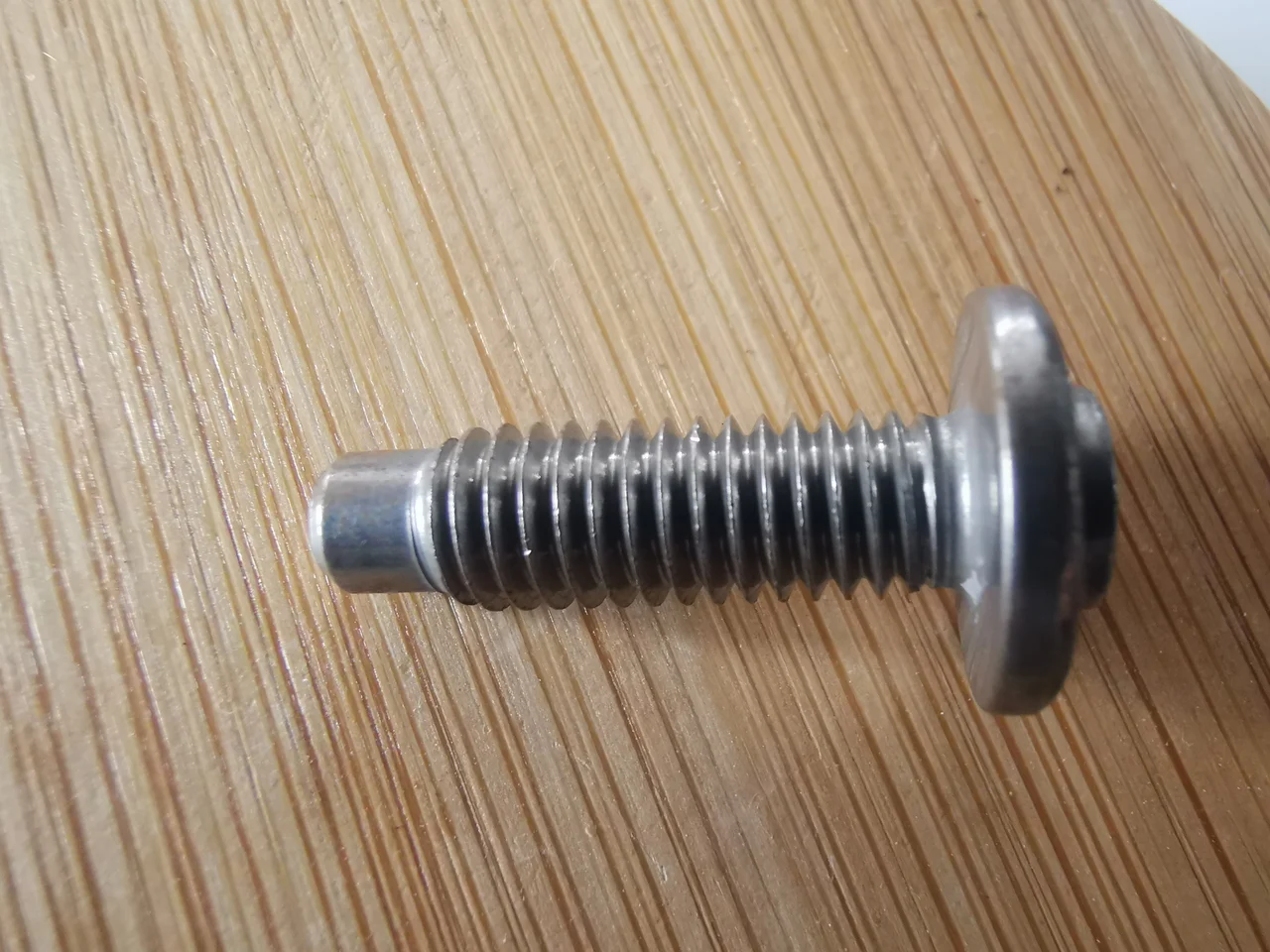
Weld Stud for an Airbag Inflator Tube
- Component Requirements
- Specific mechanical property window for weld stud material.
- Materials and specifications
- SWCH10A · 6.30 mm
- Case material requirements
- Tensile strength 380–420 MPa.
These values are material requirements from the original case, not guaranteed values for every size of the same grade. They do not replace welding qualification or finished-part validation.
Discuss material requirements for similar parts →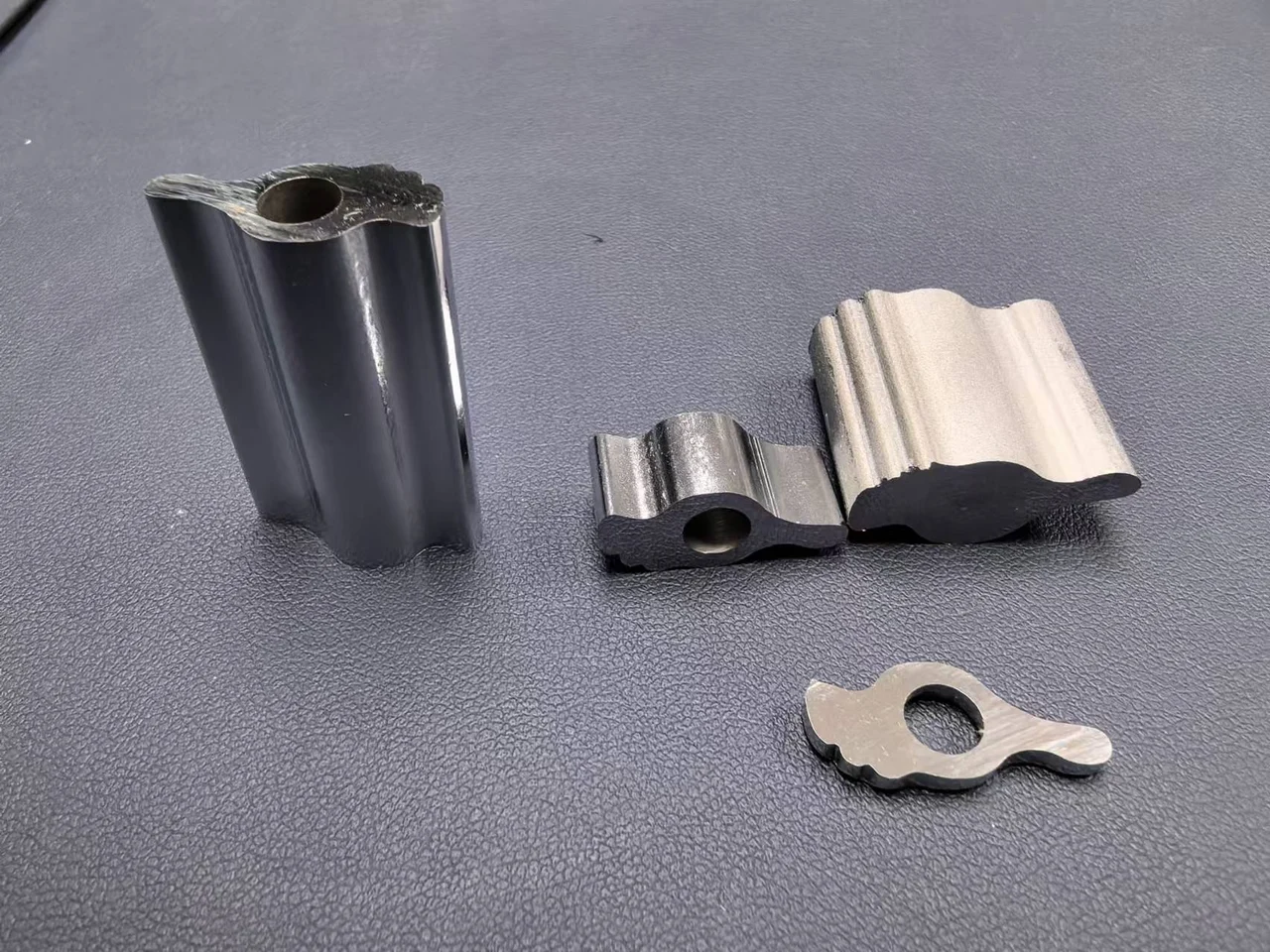
Seat belt locking block profile
- Component Requirements
- Section shape of the seat belt locking block and its compatibility with subsequent machining.
- Development direction
- Evaluate custom-profile materials as a potential replacement for the powder-metallurgy route.
- Key Points to Confirm
- Cross-sectional dimensions, mechanical properties, subsequent processing, and mass production conditions.
Changes in performance and cost must be verified based on the original process route, part design, and mass production conditions; specific results are subject to project documentation.
Discuss material requirements for similar parts →Start with Your Component Requirements
Provide these materials to initiate material review.
Whether you already have a part, are planning to switch materials, or are developing a new forming process, you can start with your specific requirements.
- Application system, part name, and drawing number.
- Currently used material grade and applicable standard.
- Diameter or cross-section, critical tolerances, and delivery condition.
- Forming, turning, heat treatment, and surface finishing processes.
- Finished-part performance, inspection requirements, and current issues.
- Sample, trial production, or batch requirements, along with target delivery dates.
Images illustrate mechanisms and component types; they do not establish that every example is a Creation Group finished product or evidence of supply for a particular vehicle. Confirm material grade, process, delivered properties and finished-part performance separately through drawing review, trials and the agreed technical specification.