
Application Field · Precision Electronics Sector
Materials for Precision Electrical Assembly
Start with the specific component and its function, then review the material form, processing route and acceptance requirements. Creation Group supports cold-heading wire and shaped materials, with cold-drawn seamless shaped tubes coordinated through partners. Confirm the actual supply scope for the project.
Application 01
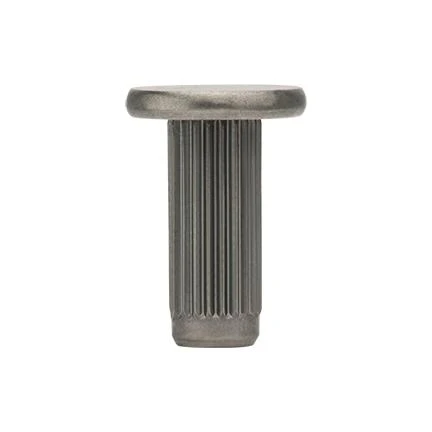
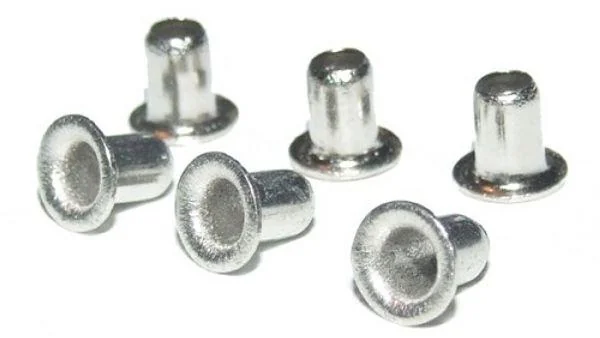
Miniature motor installation
Review bracket fasteners and riveted connections in miniature motor mechanisms. Assess motor shafts separately against their actual processing route.
Part appearance and connection structure
Assembly locations and application scenarios
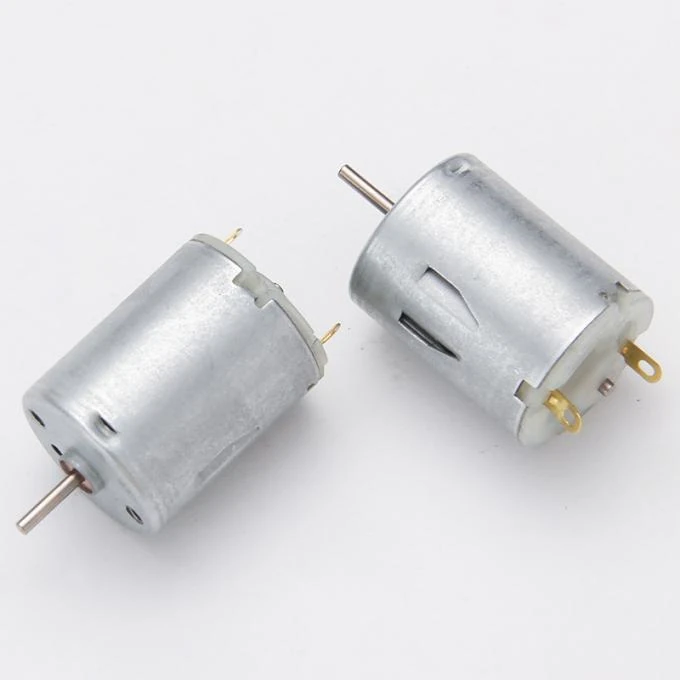
- Component Types and Material Options
- Headed solid pins, rivet pins, and small connecting components.
- Key points of material review
- Head forming, shank diameter tolerances, material condition, and riveting fit.
Application 02
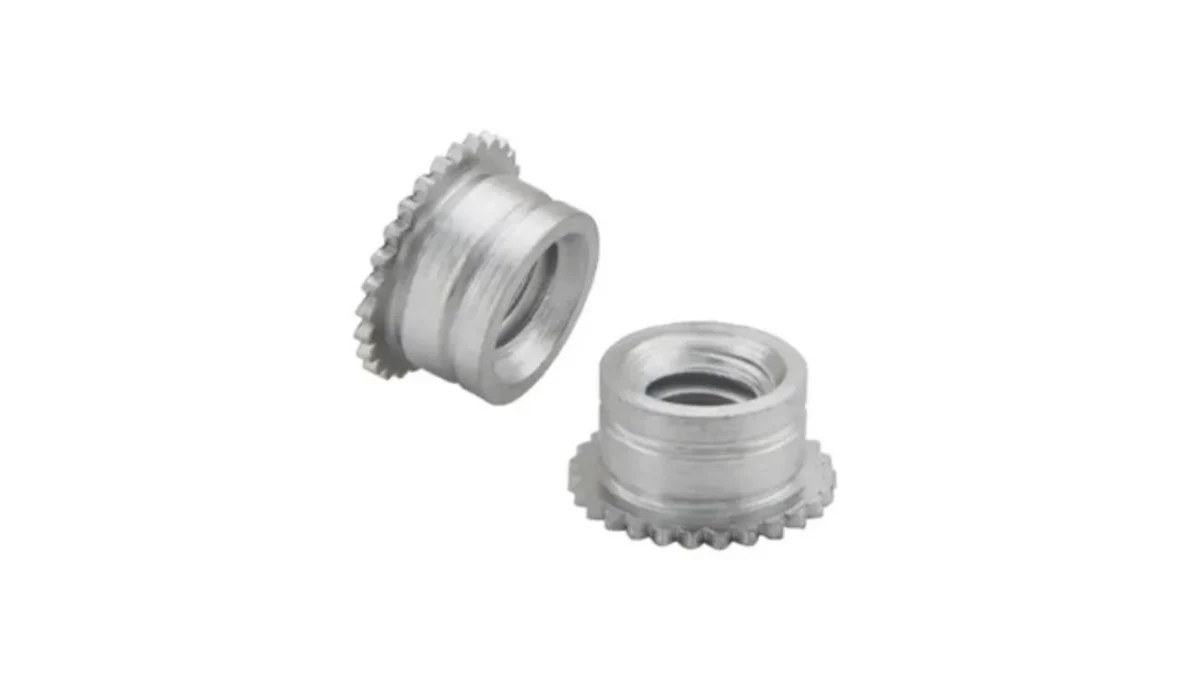
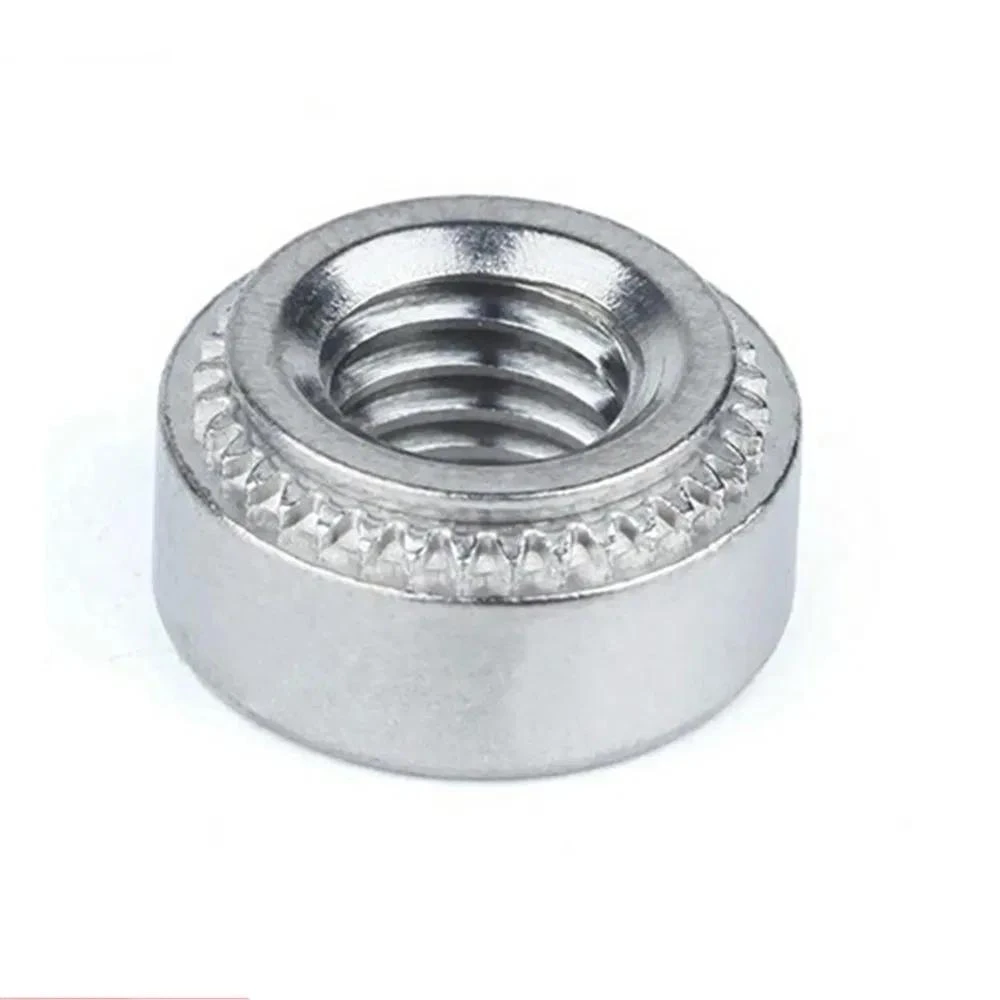
Circuit board mounting
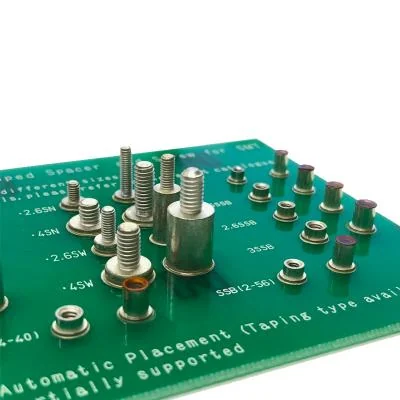
Sheet-metal and PCB connections require attention to self-clinching fasteners and support structures.
Part appearance and connection structure
Assembly locations and application scenarios
- Component Types and Material Options
- Miniature self-clinching nuts, standoffs, and mounting components.
- Key points of material review
- Sheet thickness, hole diameter, clinching geometry, plating, and assembly requirements.
Application 03
Sensor housing installation
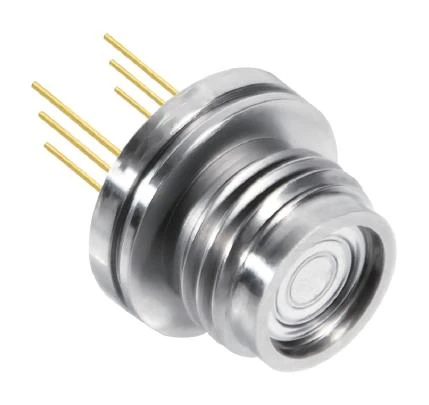
Distinguish between sensor package functions and housing mounting connections.
Assembly locations and application scenarios
- Component Types and Material Options
- Housing fixing screws, support posts, and mounting fasteners.
- Key points of material review
- Review installation space, head form, threads, corrosion resistance and assembly. The sensor-package design must separately define gas-tightness and electrical requirements.
Application 04
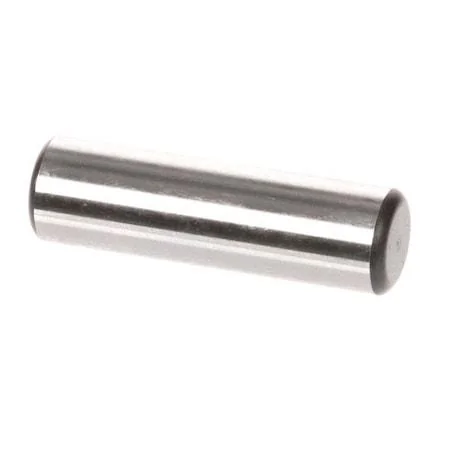
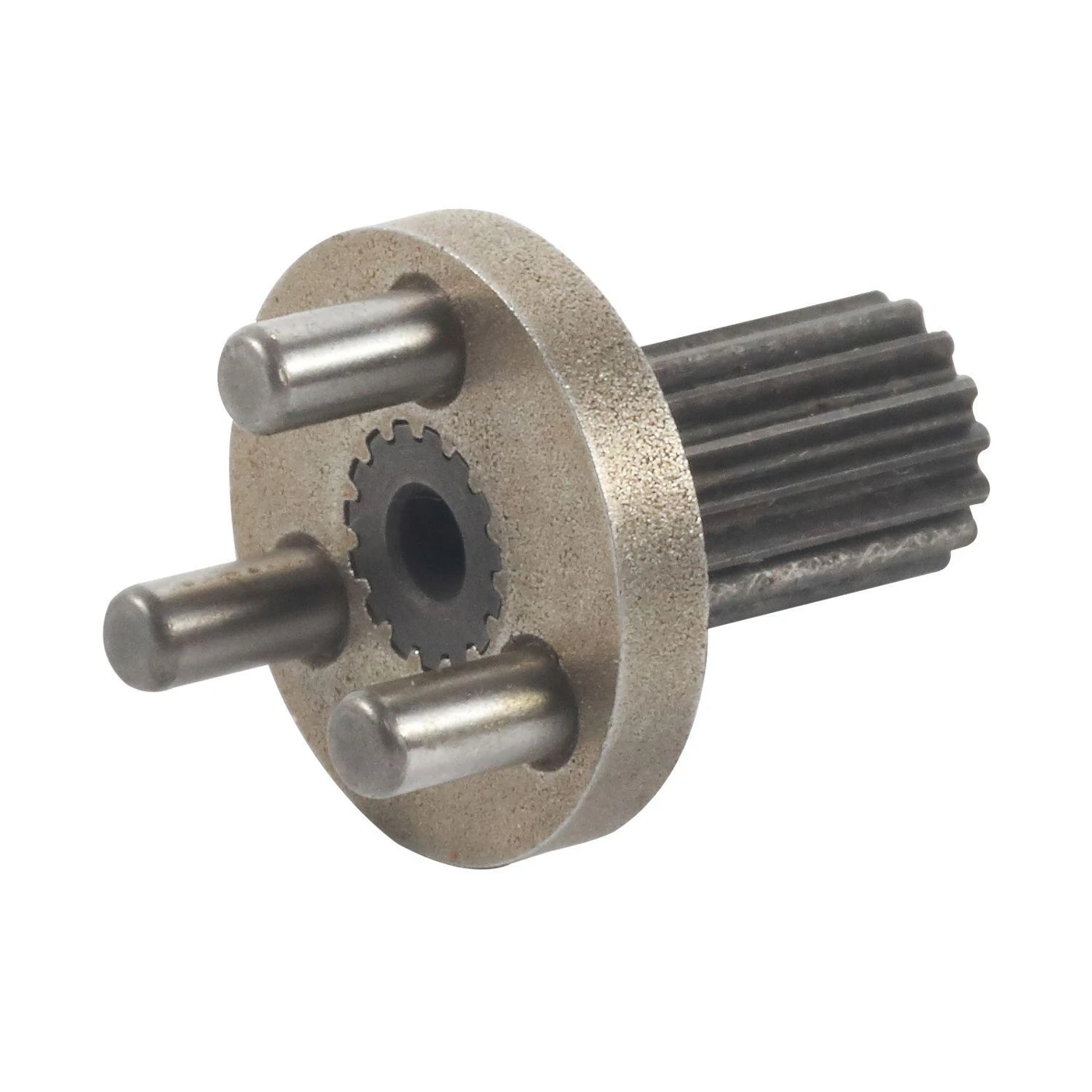
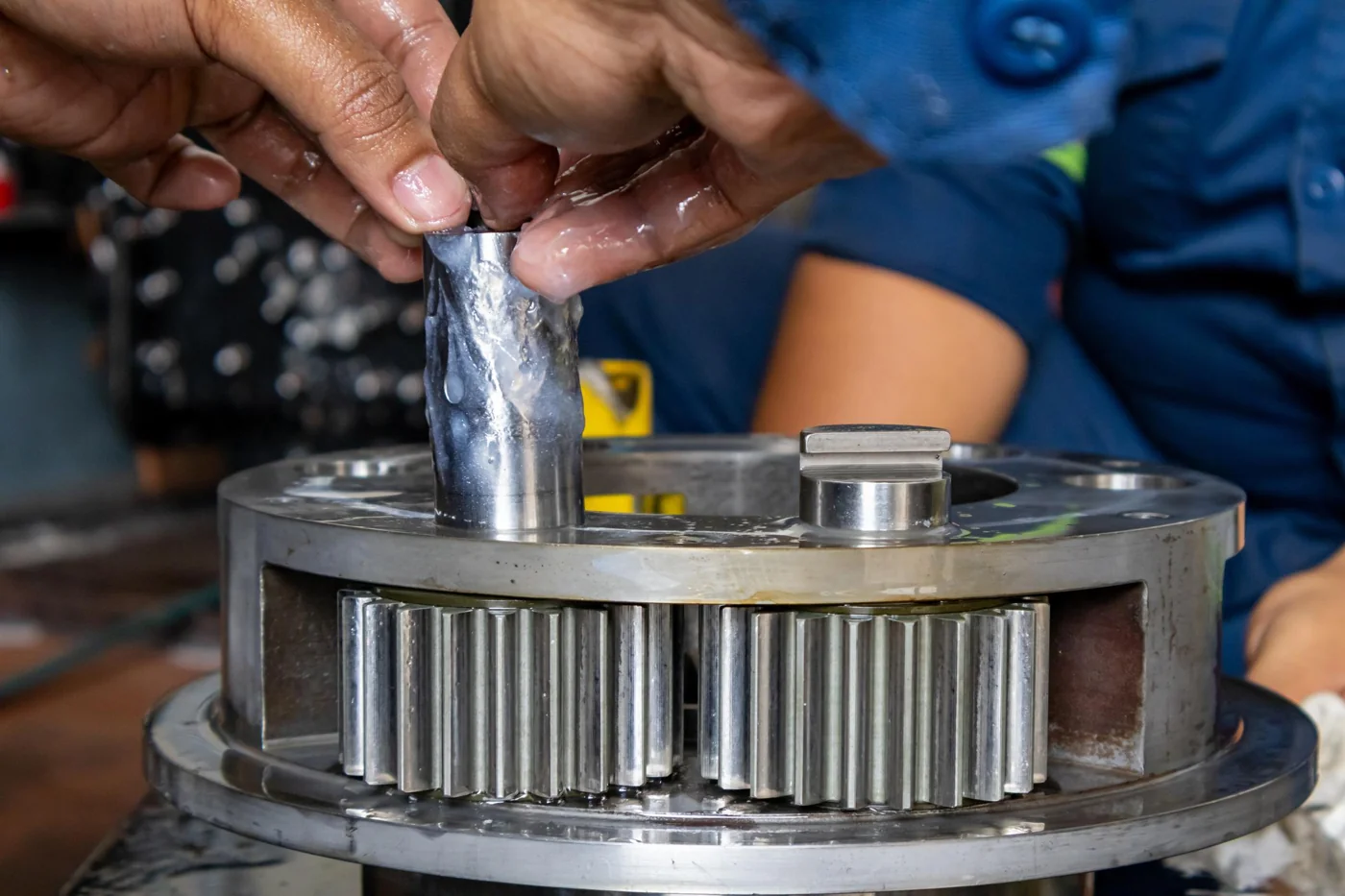
Positioning connections for reduction mechanisms
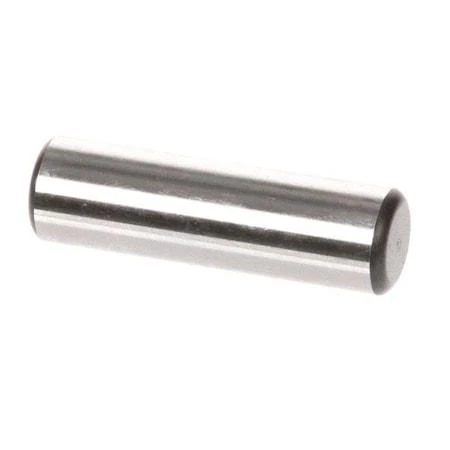
Define requirements for connecting and locating pins in small reduction mechanisms.
Part appearance and connection structure
Assembly locations and application scenarios
- Component Types and Material Options
- Solid headed pins, riveted pins, and mounting fasteners.
- Key points of material review
- Head and shank diameters, tolerances, riveting fit, heat treatment, and subsequent grinding requirements.
Application 05
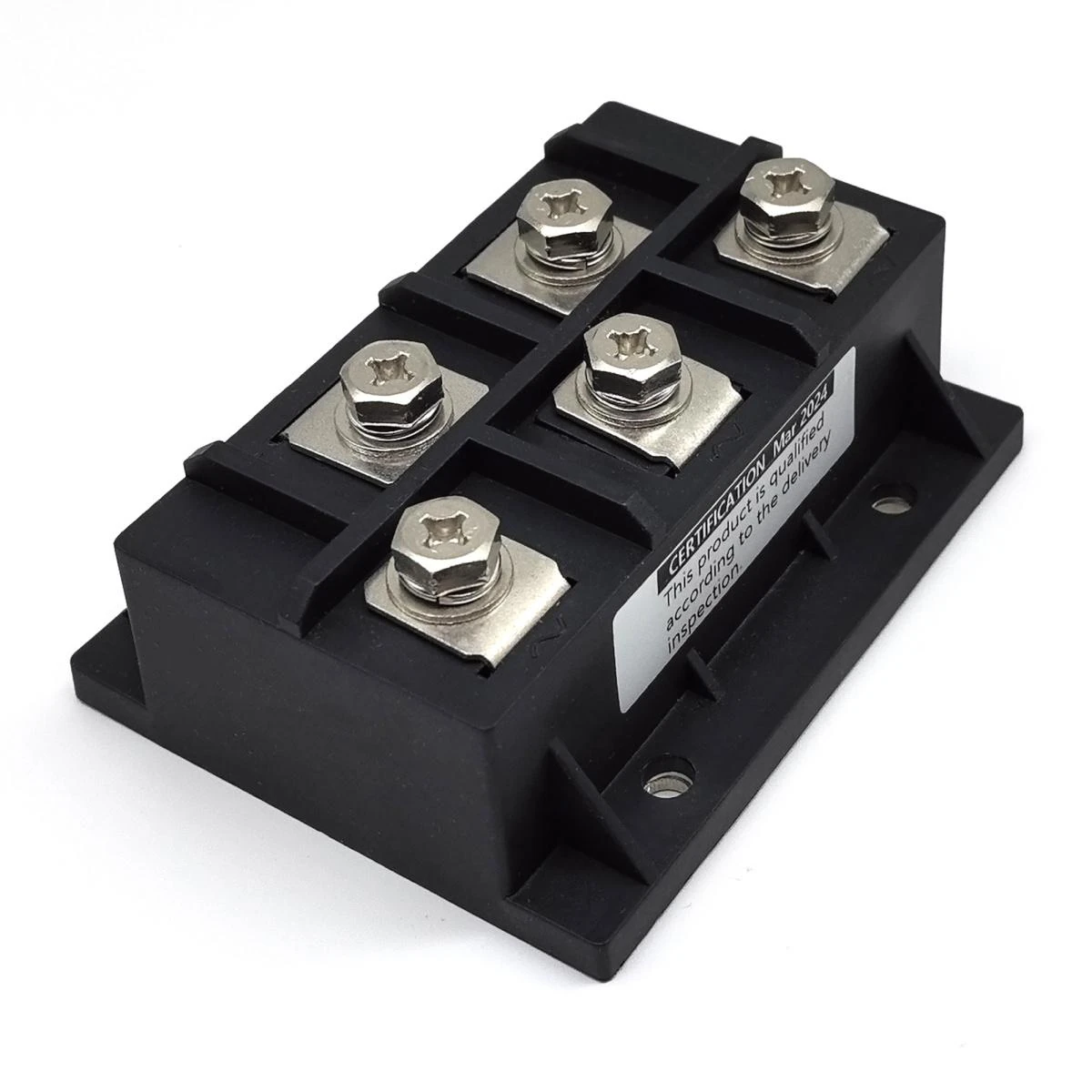
Power module installation
Focus on the mechanical fastening connection between modules, brackets, and heat dissipation structures.
Assembly locations and application scenarios
- Component Types and Material Options
- Module fixing screws, support posts, and connecting fasteners.
- Key points of material review
- Assembly dimensions, preload and anti-loosening, surface condition, and compatibility with insulation and thermal management structures.
Application 06
Contactors and electromagnetic actuators
Differentiate mechanical fasteners from electrical and magnetic functional components within electromagnetic mechanisms.
Part appearance and connection structure
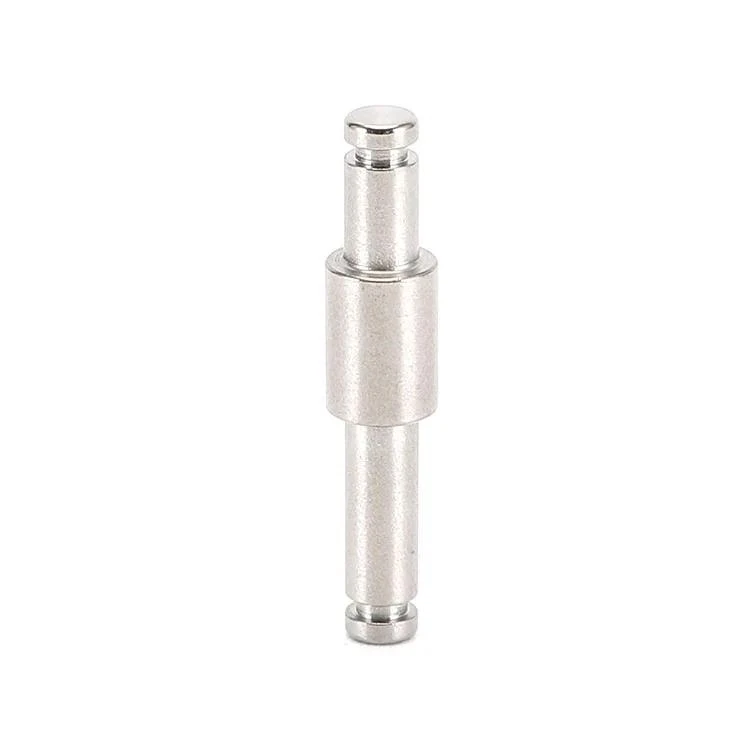
Assembly locations and application scenarios
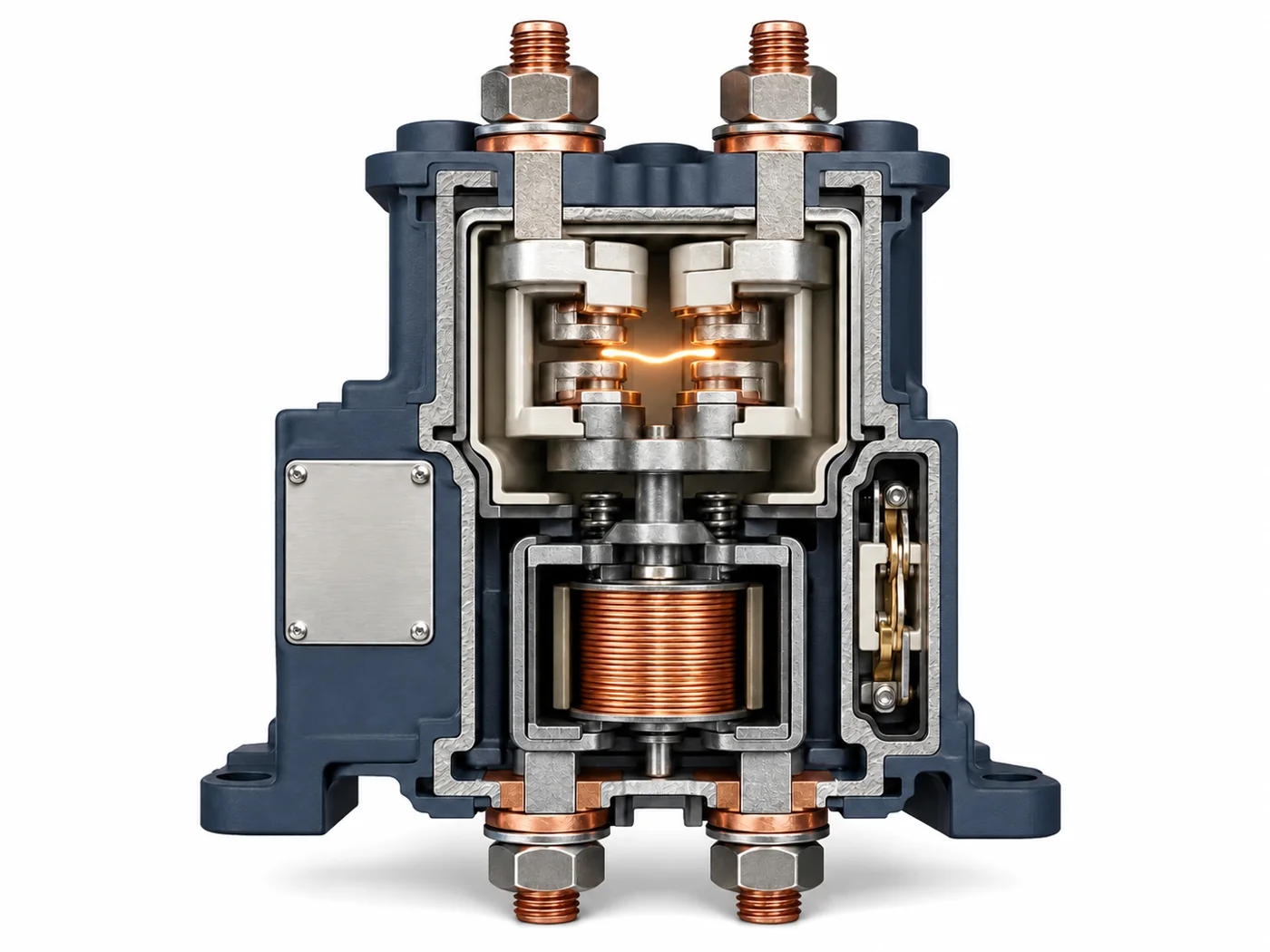
- Component Types and Material Options
- Bracket fasteners, riveted pins, and connecting parts.
- Key points of material review
- Review formed geometry, fit clearances, surface condition and subsequent treatment. Validate electromagnetic performance and contact life against system requirements.
Application 07
Relay assembly connections
Review mechanical riveted connections separately from conductive contact materials.
Assembly locations and application scenarios
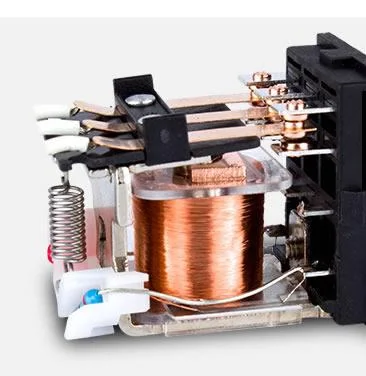
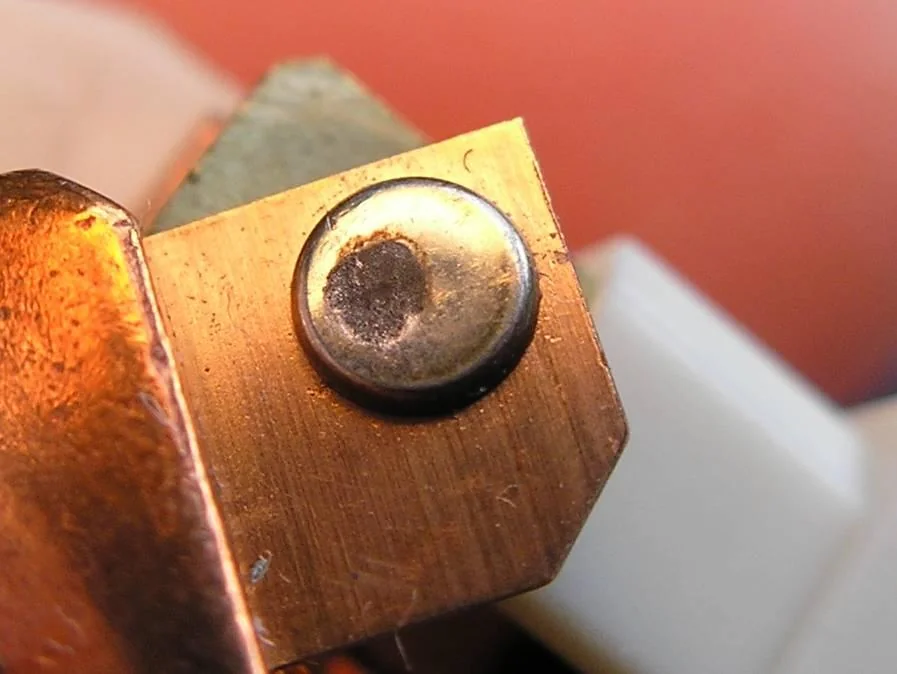
- Component Types and Material Options
- Rivets, pins, and small fasteners used for connecting the housing and bracket.
- Key points of material review
- Head forming, riveting fit, dimensional and surface requirements; electrical functionality and contact alloy are confirmed separately.
Application 08
Connector installation and riveting
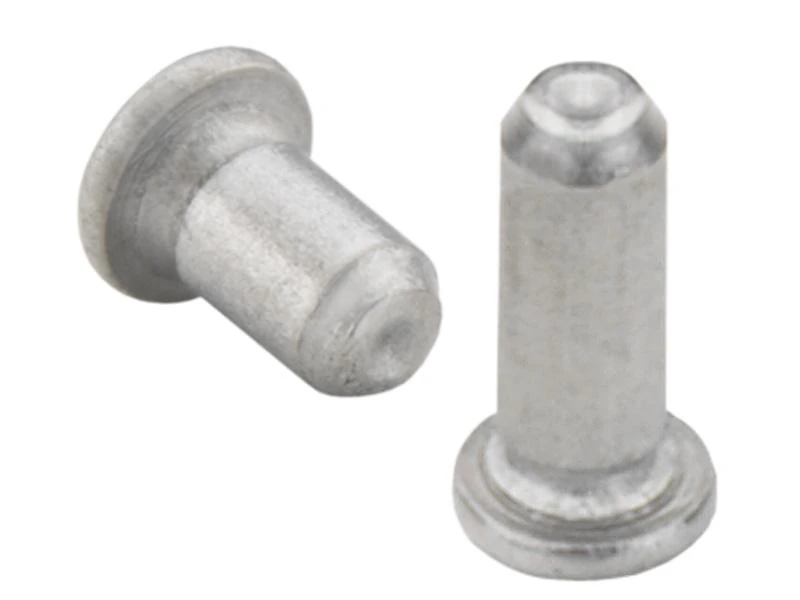
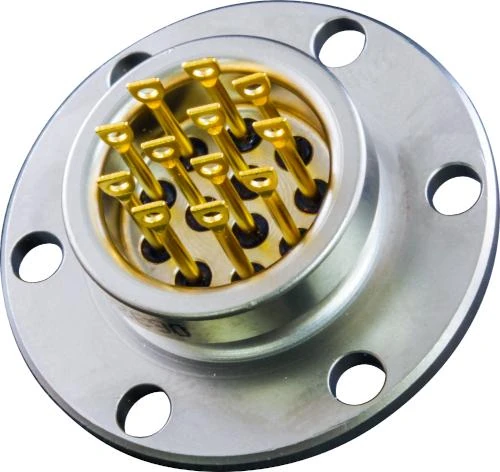
Review materials for connector-housing fasteners, supports and riveted joints.
Part appearance and connection structure
Assembly locations and application scenarios
- Component Types and Material Options
- Housing mounting screws, rivets, and connecting posts.
- Key points of material review
- Head shape, dimensional tolerances, plating, and corrosion resistance requirements, as well as the fit between the connection structure and insulating components.
Bring specific part requirements into the material review
Provide the part drawing, material or property requirements, processing route, delivery specification and acceptance criteria. Confirm material suitability before arranging trials and tests.
Submit project requirements →Identify the grade, standard edition, units, delivery condition and inspection requirements in the project review. The agreed technical specification governs acceptance.