
Application Area · 3C Electronics Industry
Materials for Consumer-Electronics Connections
Start with the specific component and its function, then review the material form, processing route and acceptance requirements. Creation Group supports cold-heading wire and shaped materials, with cold-drawn seamless shaped tubes coordinated through partners. Confirm the actual supply scope for the project.
Consumer Electronics Assembly Connections
Application 01
Watch Connections
Connections in confined spaces must balance positioning and repeated assembly/disassembly.
Part appearance and connection structure
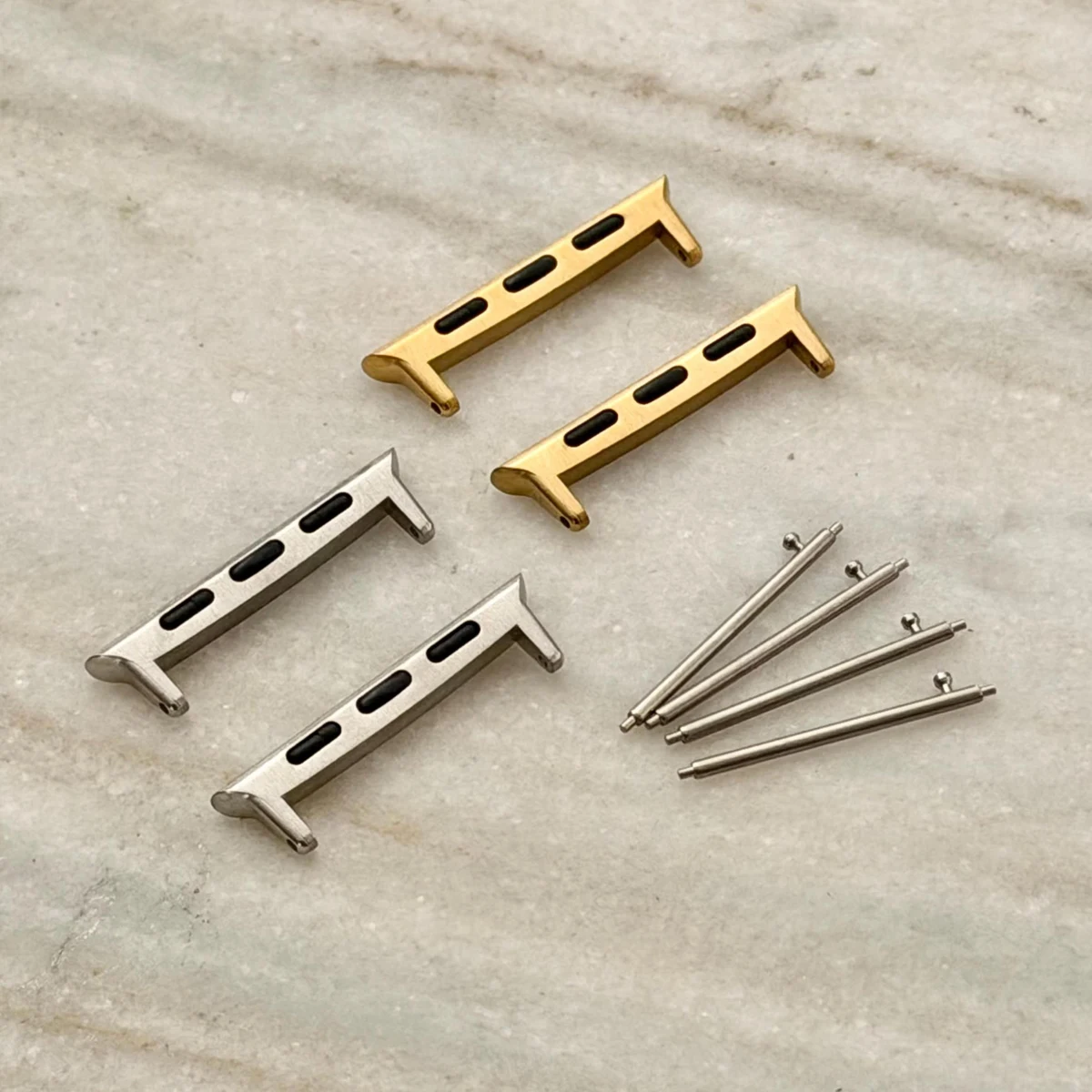
Assembly locations and application scenarios
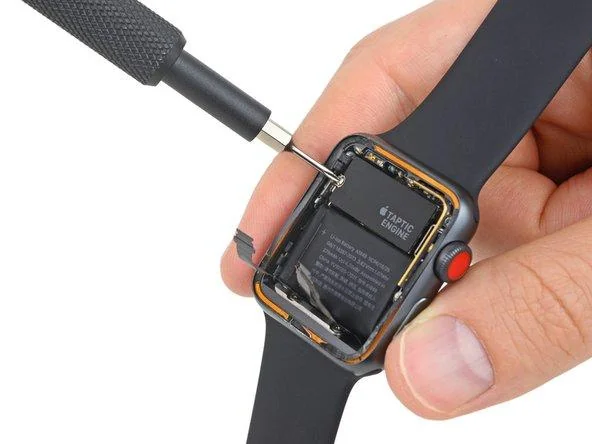
- Component Types and Material Options
- Strap pins, connector blocks, and small shaft components.
- Key points of material review
- Dimensional tolerances, surface appearance, corrosion resistance, and fit requirements.
Application 02
Folding Phone Hinges
Review of support, positioning, and connecting parts around multi-axis hinges.
Part appearance and connection structure
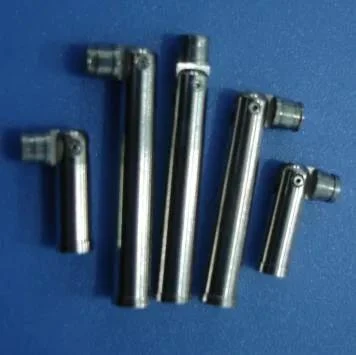
Assembly locations and application scenarios
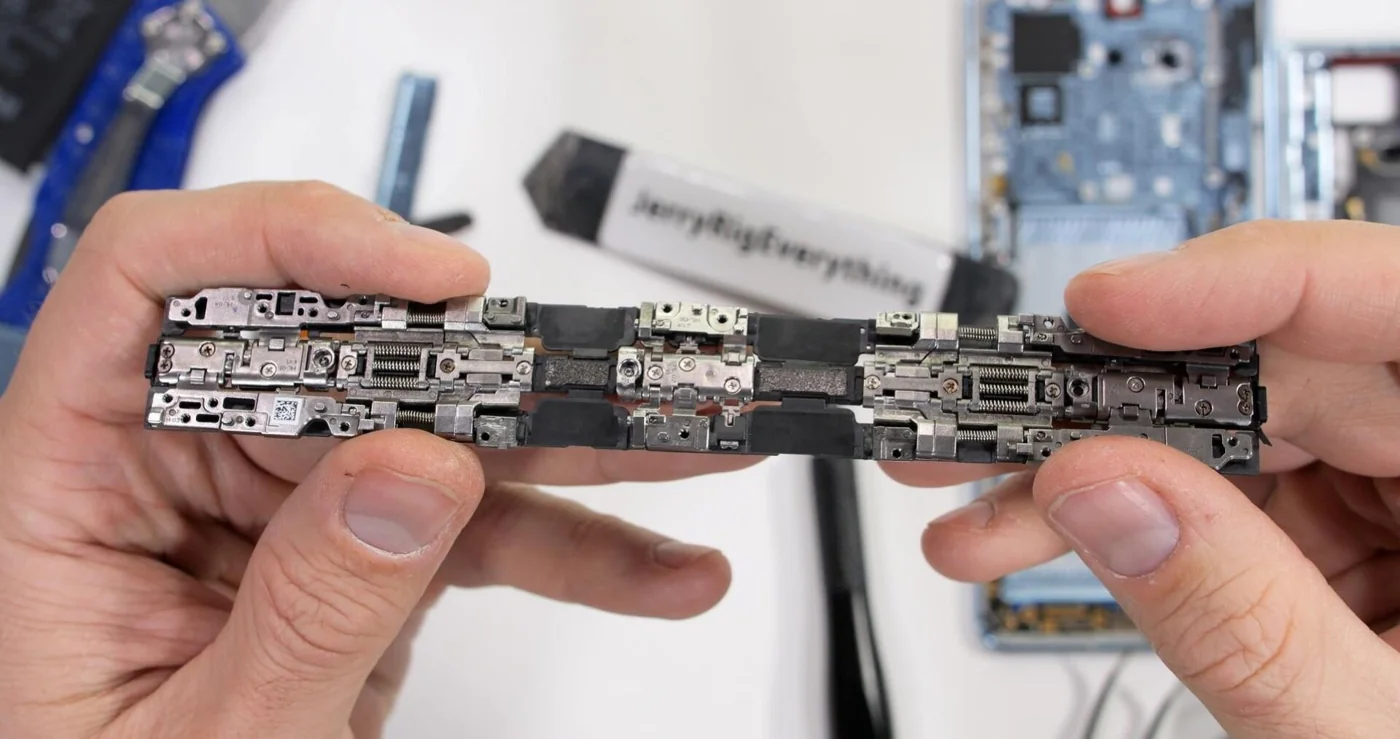
- Component Types and Material Options
- Hinge shafts, connecting pins, and small connectors.
- Key points of material review
- Review shaft-diameter tolerances, straightness, surface condition and later heat treatment. Validate service life at the mechanism level.
Application 03
Drone Arms and Gimbals
Arm joints and gimbal actuators serve different connection purposes.
Part appearance and connection structure
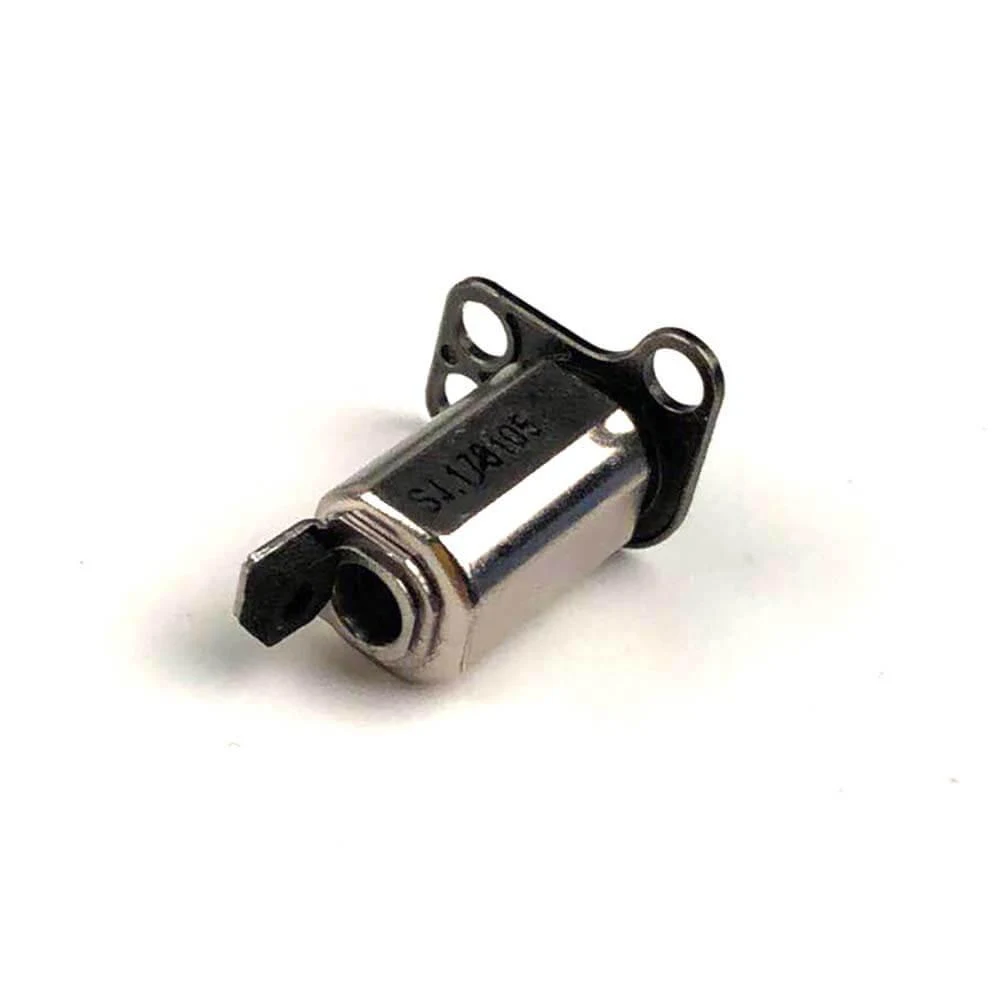
Assembly locations and application scenarios
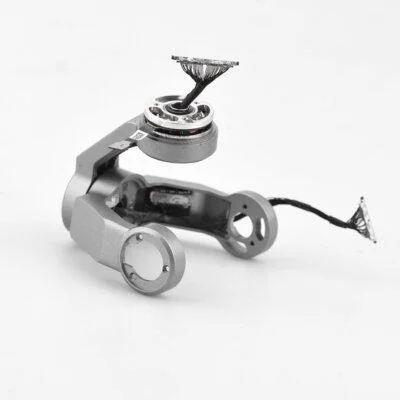
- Component Types and Material Options
- Joint shafts, locating pins, and small fasteners.
- Key points of material review
- Quality, fit clearances, surface treatments, and vibration requirements for assembly.
Application 04
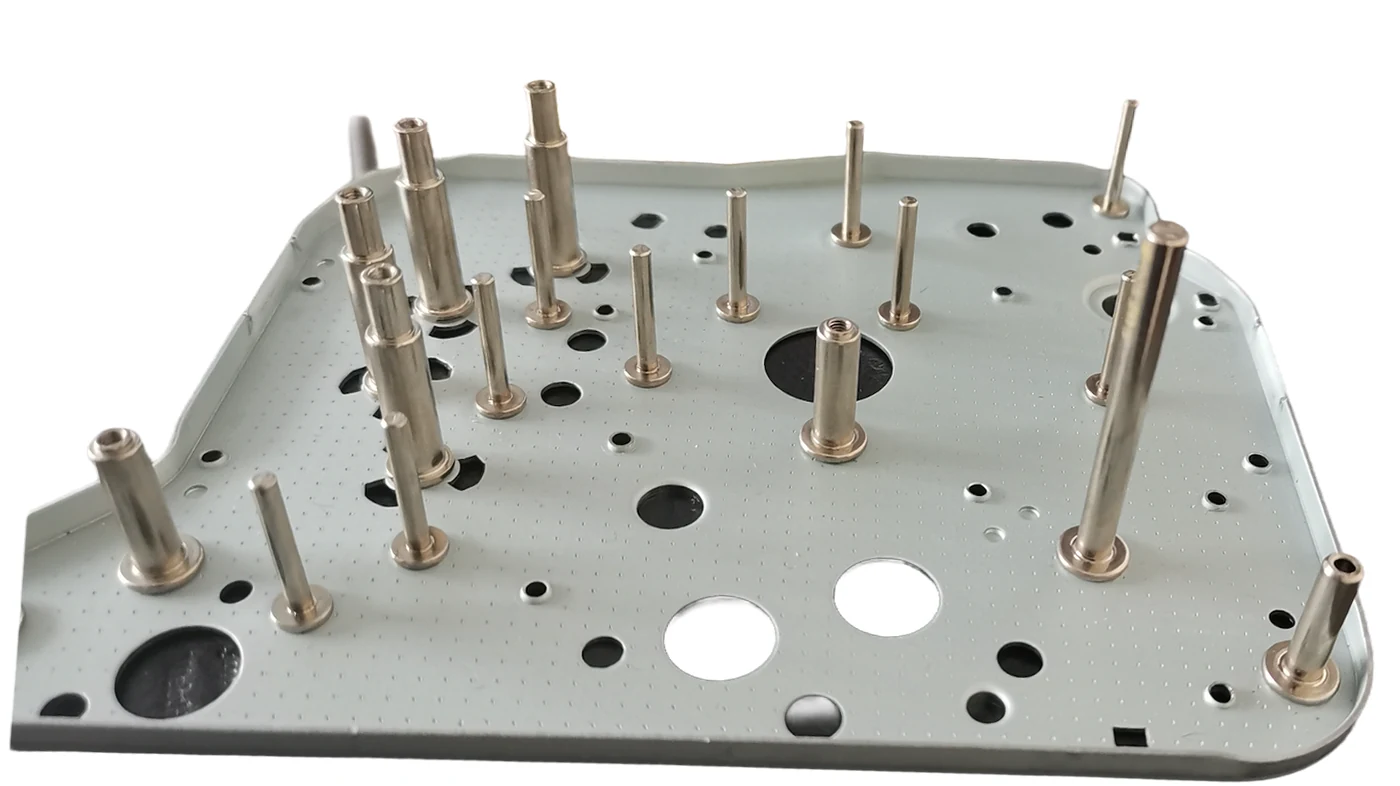
Case and PCB Connections
Sheet metal and PCB assemblies focus on fastening, support, and positioning.
Part appearance and connection structure

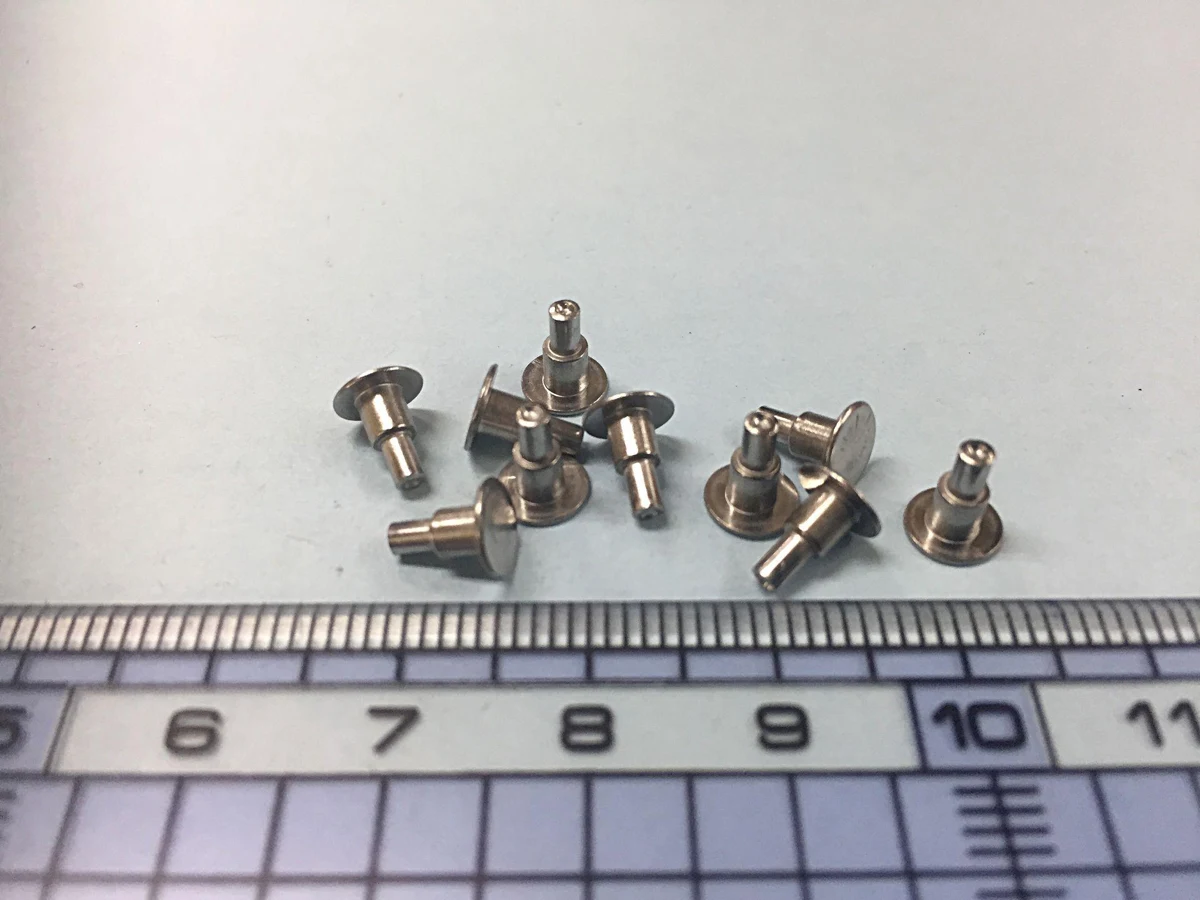
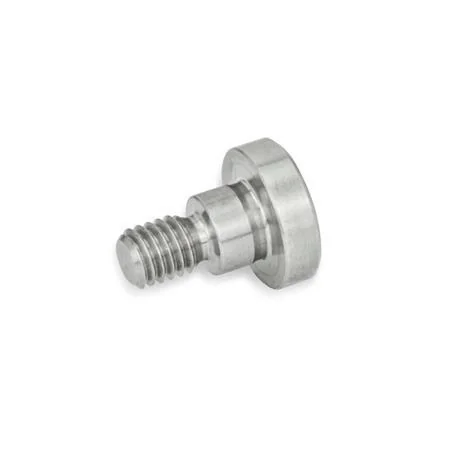
Assembly locations and application scenarios
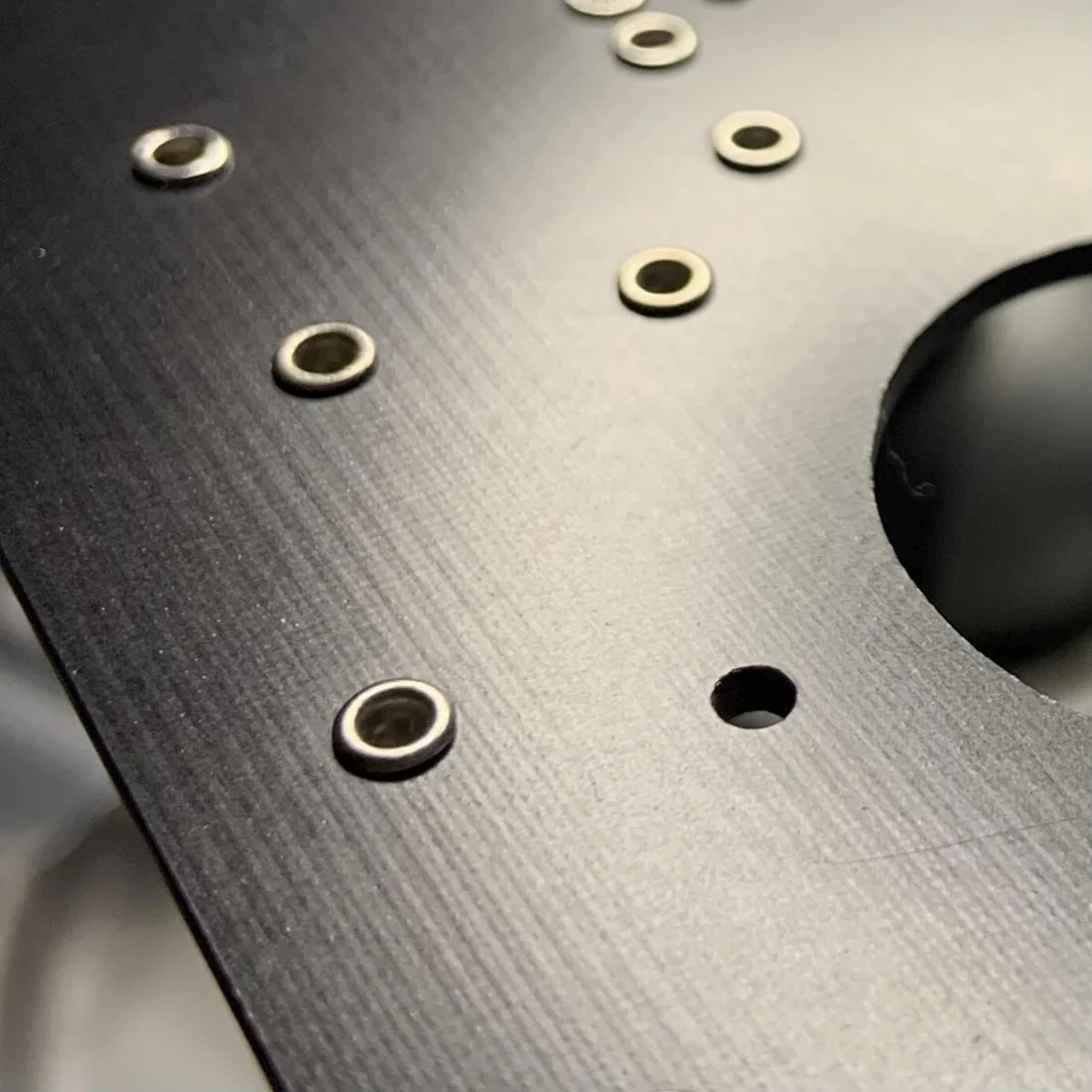
- Component Types and Material Options
- Self-clinching nuts, stepped rivet pins, and connecting posts.
- Key points of material review
- Plate thickness, clinch structure, formed head, dimensional requirements, and plating specifications.
Application 05
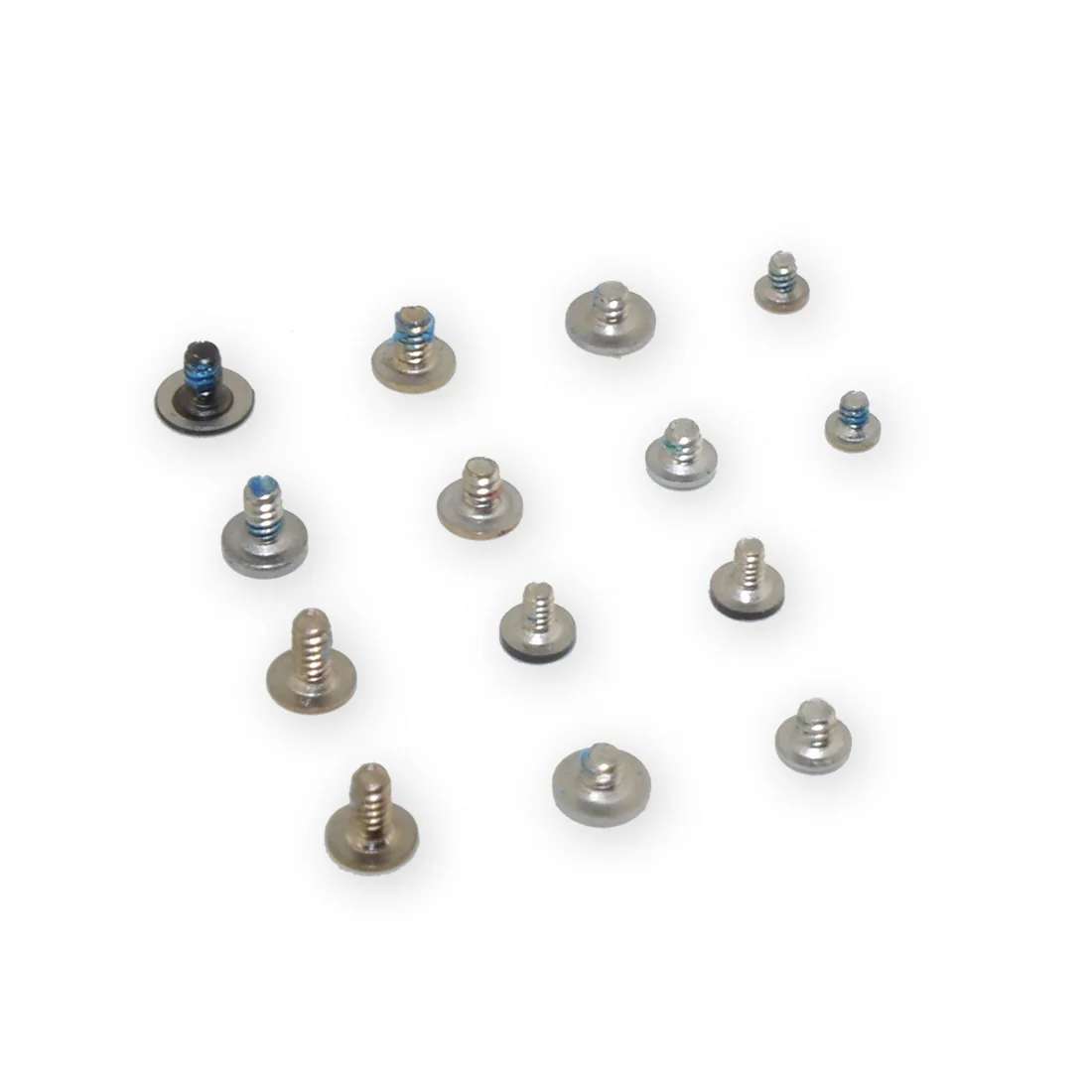
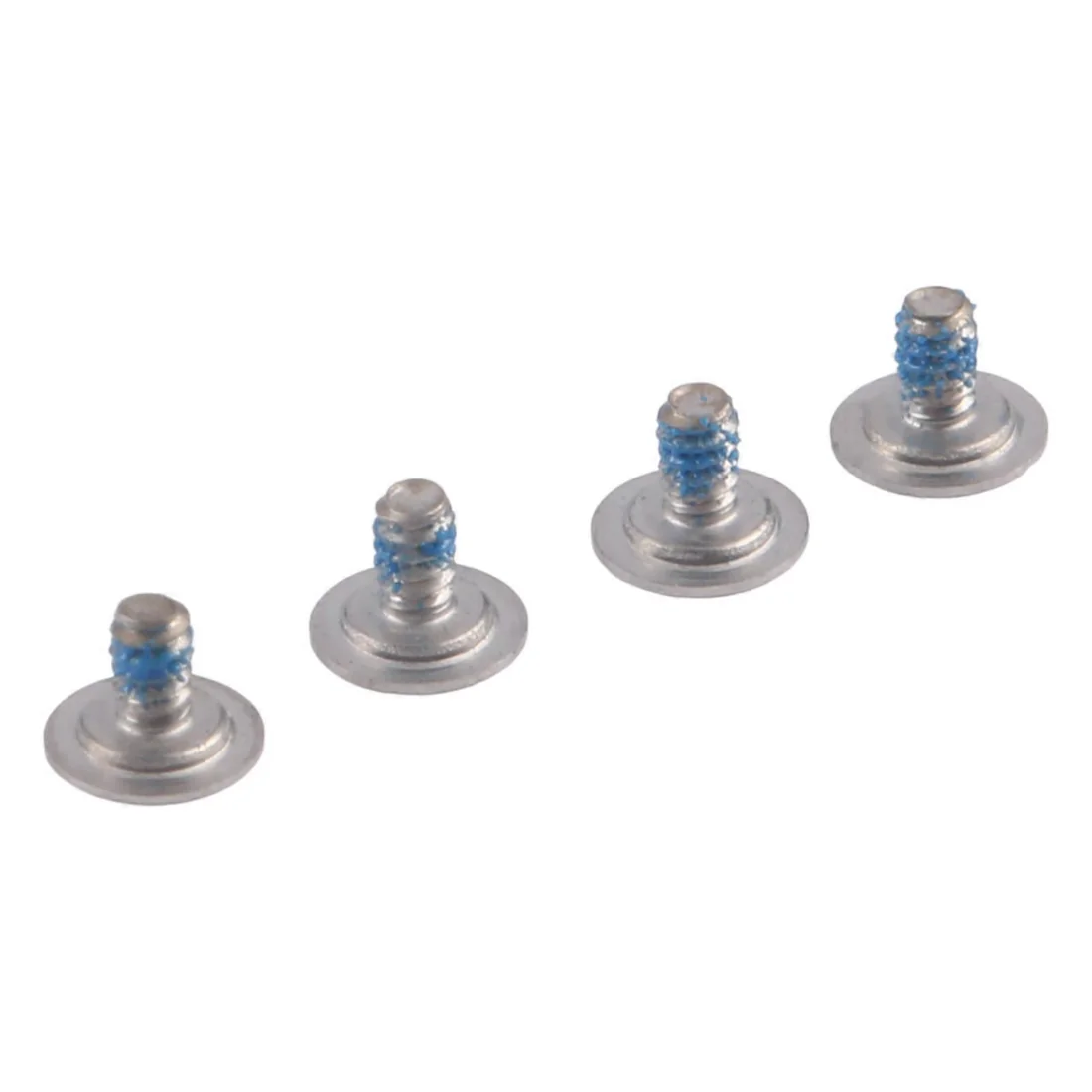
Gaming Devices
Distinguish between case and internal part connections based on disassembly points.
Assembly locations and application scenarios
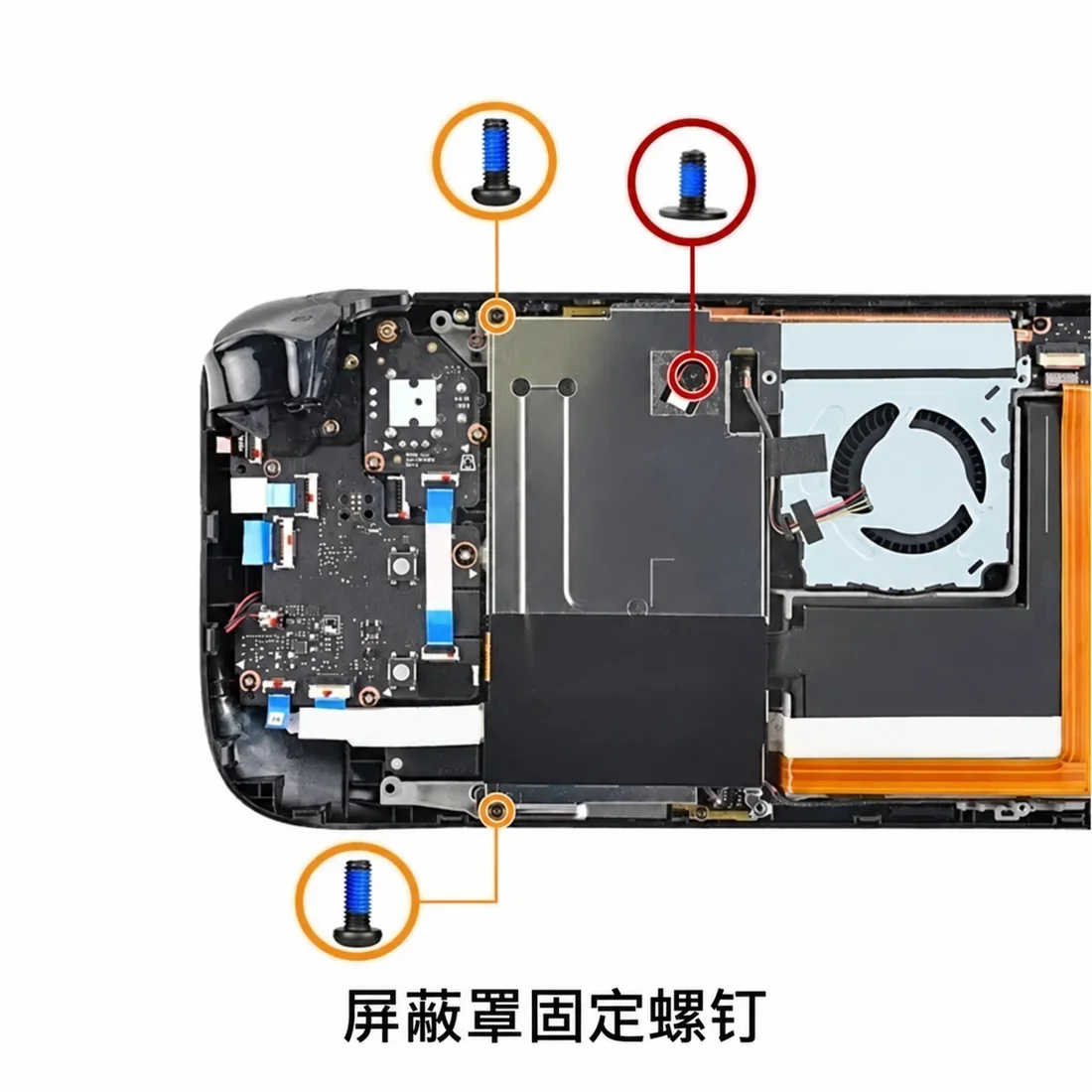
- Component Types and Material Options
- Miniature screws, support posts, and locating components.
- Key points of material review
- Head shape, assembly space, threads, surface finish, and anti-loosening requirements.
Application 06
Camera Lenses
The exploded view of the lens provides the assembly context; specific parts must be confirmed according to the drawing.
Assembly locations and application scenarios
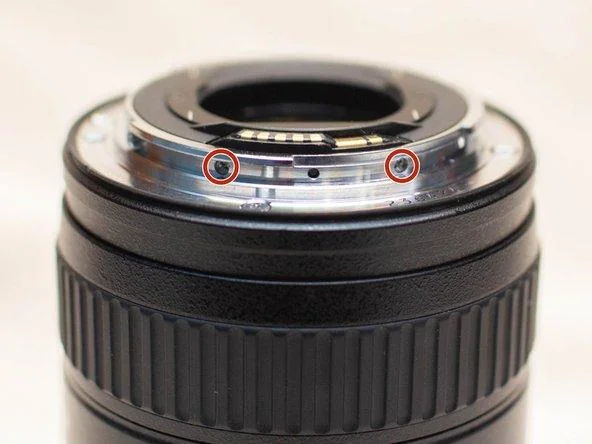
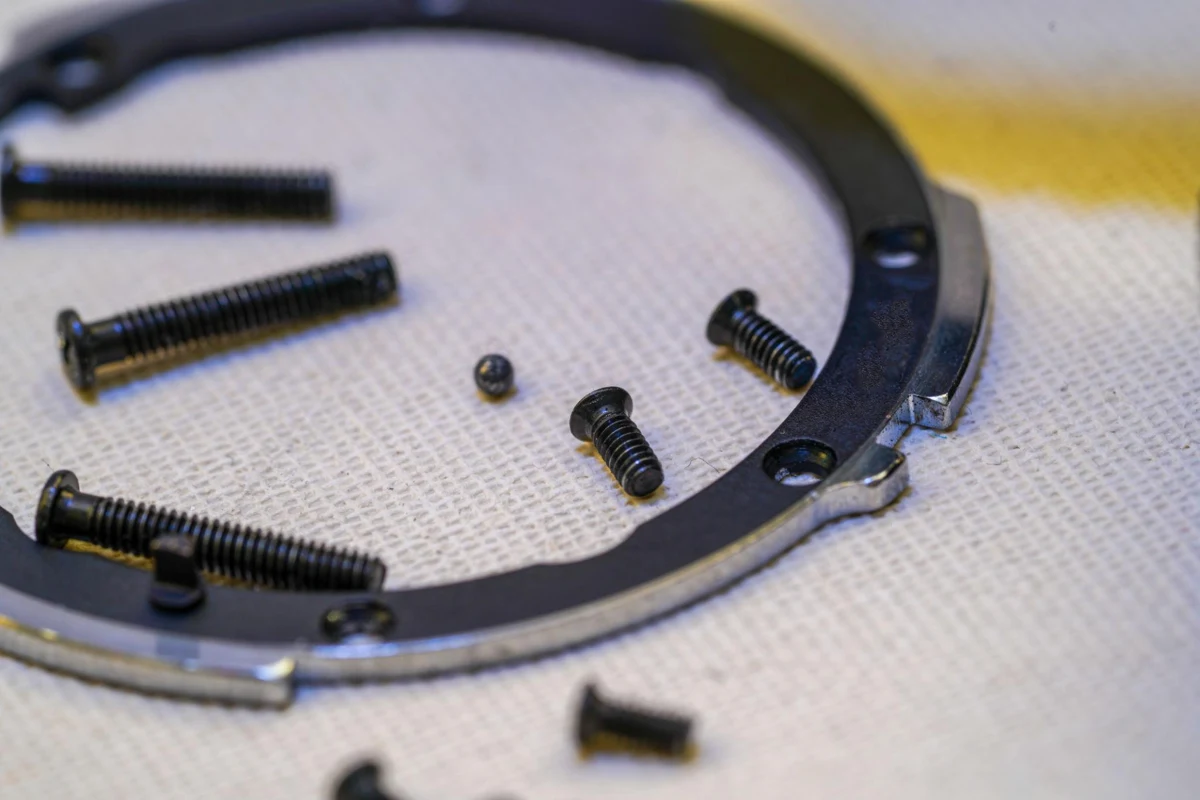
- Component Types and Material Options
- Direction for small screws, pins, and connecting rings.
- Key points of material review
- Cleanliness, surface finish, dimensions, and assembly clearance.
Application 07
Laptop and Tablet Hinges
For opening/closing and bracket mechanisms, it is necessary to verify the actual function of shafts and connecting components.
Assembly locations and application scenarios
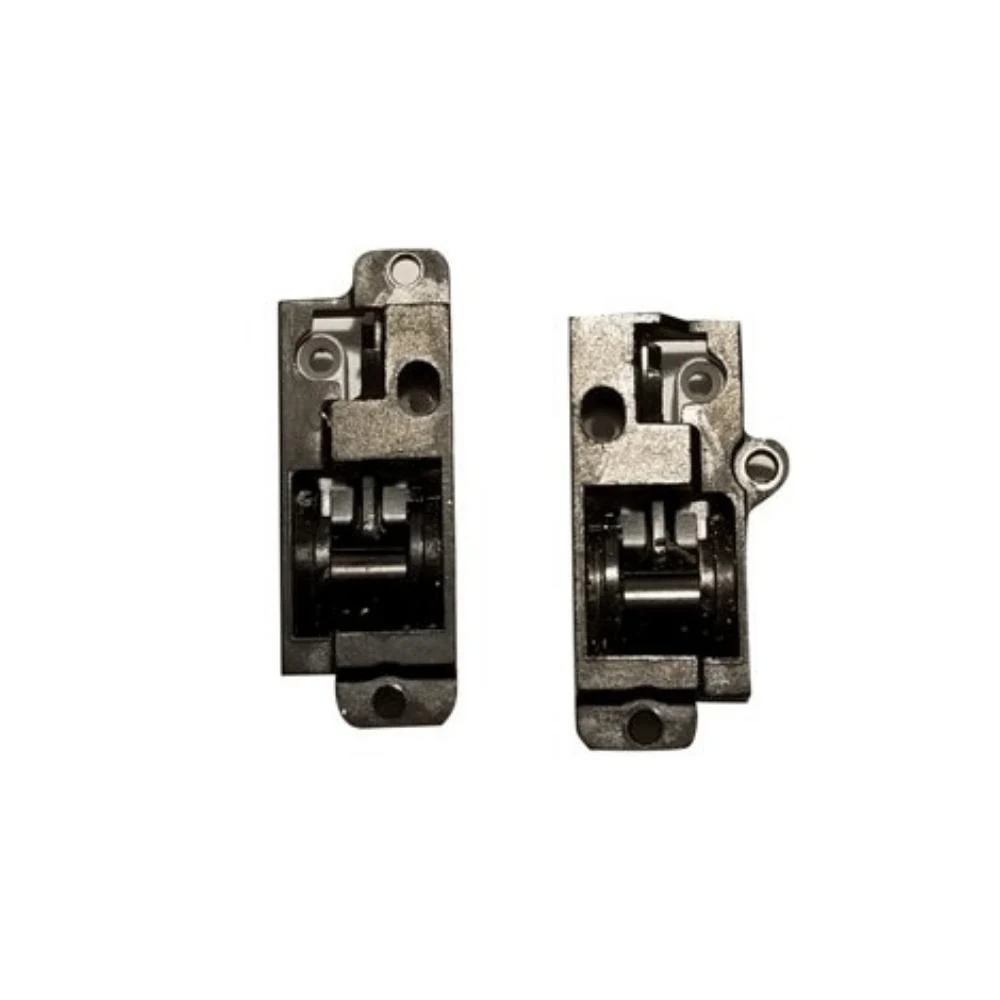
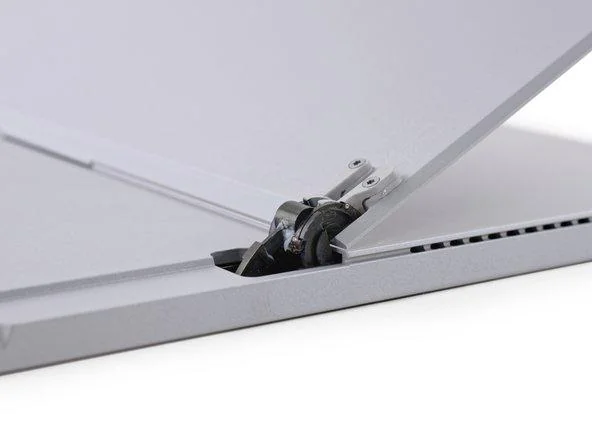
- Component Types and Material Options
- Hinge shaft, riveted pin, and bracket fasteners.
- Key points of material review
- Dimensional consistency, heat treatment, surface finish, and durability verification of the mechanism.
Application 08
Earbud charging-case hinges
Focus on the hinged, positioning, and connecting components during lid opening and closing.
Part appearance and connection structure
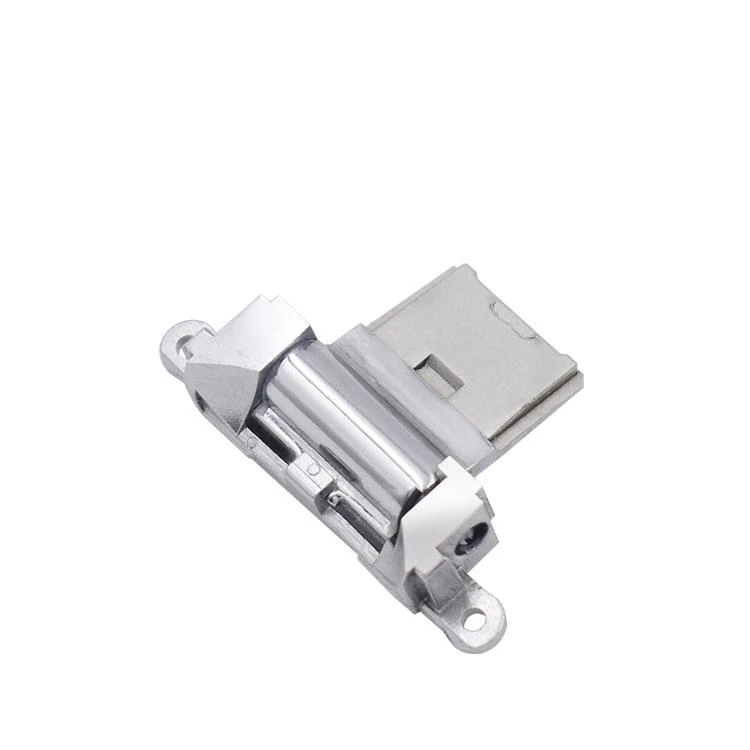
Assembly locations and application scenarios
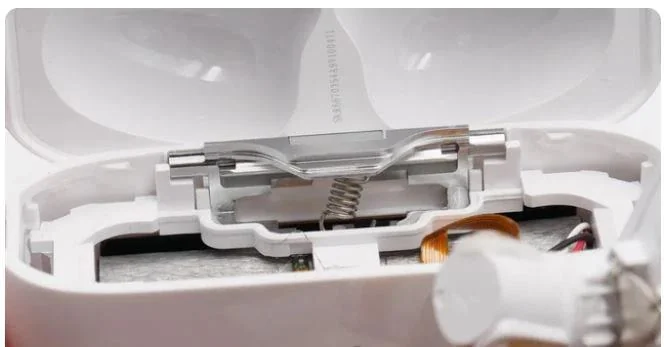
- Component Types and Material Options
- Small hinge pins, rivet pins and bracket fasteners; assess sheet-metal hinge parts separately for stamping.
- Key points of material review
- Pin diameter, riveted head dimensions, opening/closing clearance, surface appearance, and assembly durability requirements.
Bring specific part requirements into the material review
Provide the part drawing, material or property requirements, processing route, delivery specification and acceptance criteria. Confirm material suitability before arranging trials and tests.
Submit project requirements →Identify the grade, standard edition, units, delivery condition and inspection requirements in the project review. The agreed technical specification governs acceptance.