
Application Area · Bearing Industry
Materials for Bearing Components and Special Sections
Start with the specific component and its function, then review the material form, processing route and acceptance requirements. Creation Group supports cold-heading wire and shaped materials, with cold-drawn seamless shaped tubes coordinated through partners. Confirm the actual supply scope for the project.
Material Applications in Bearing Components
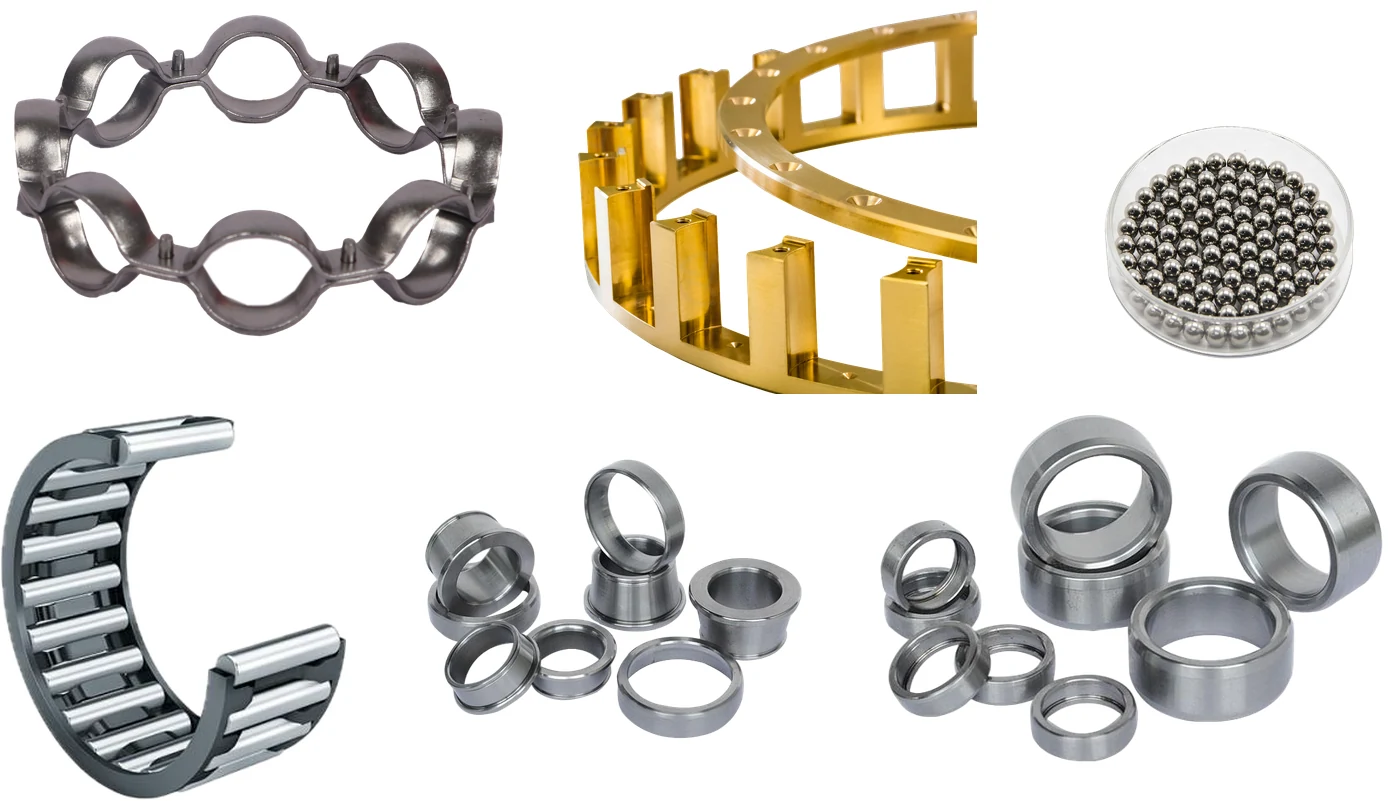
Application 01
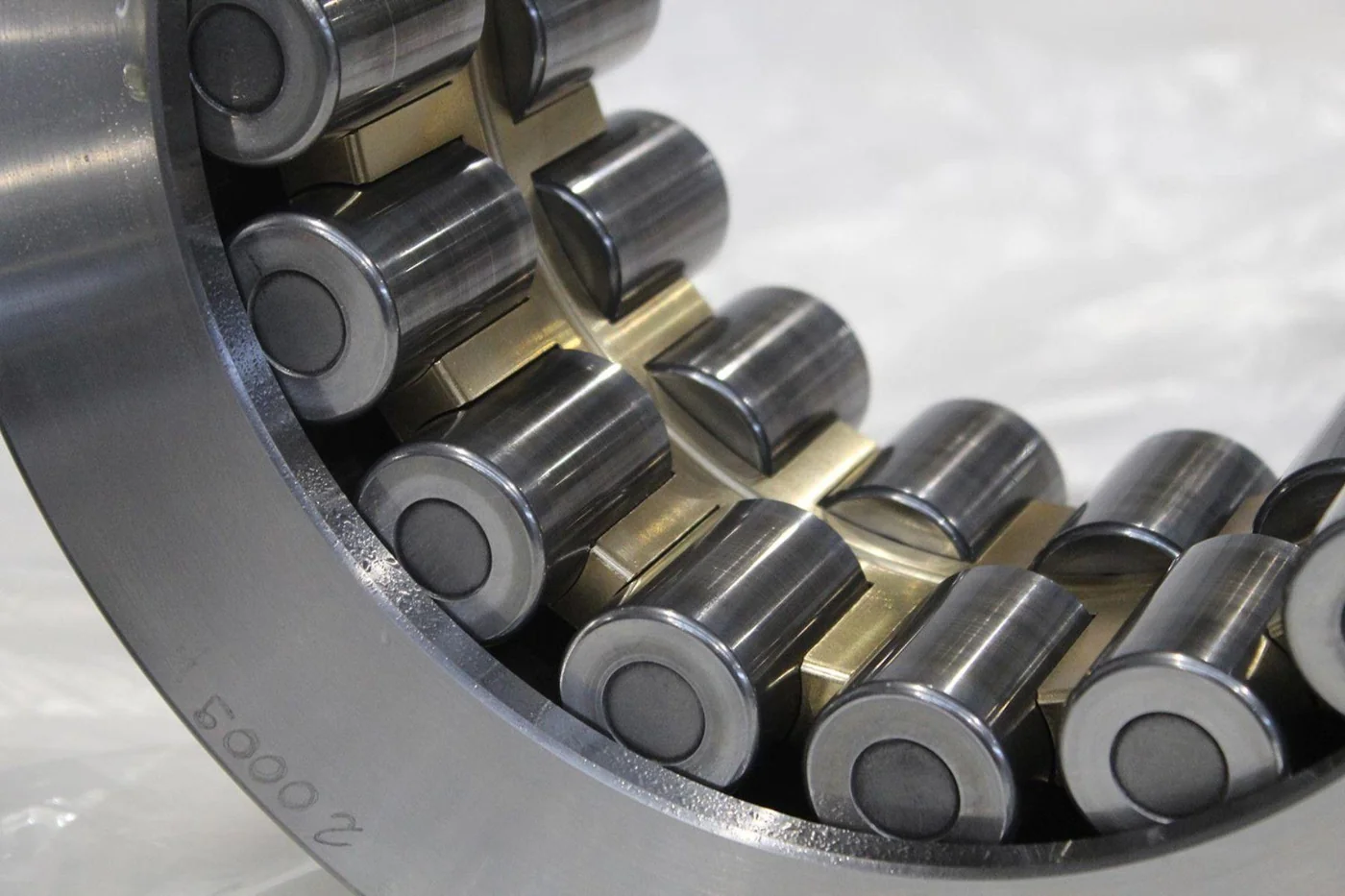
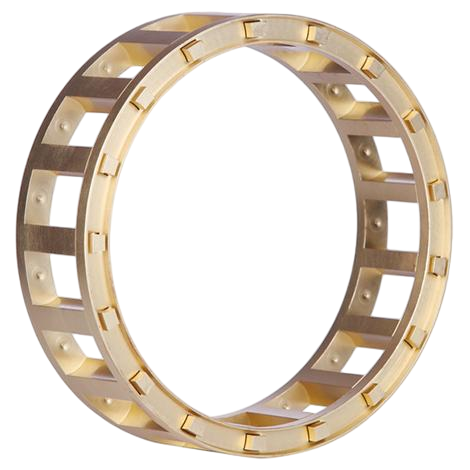
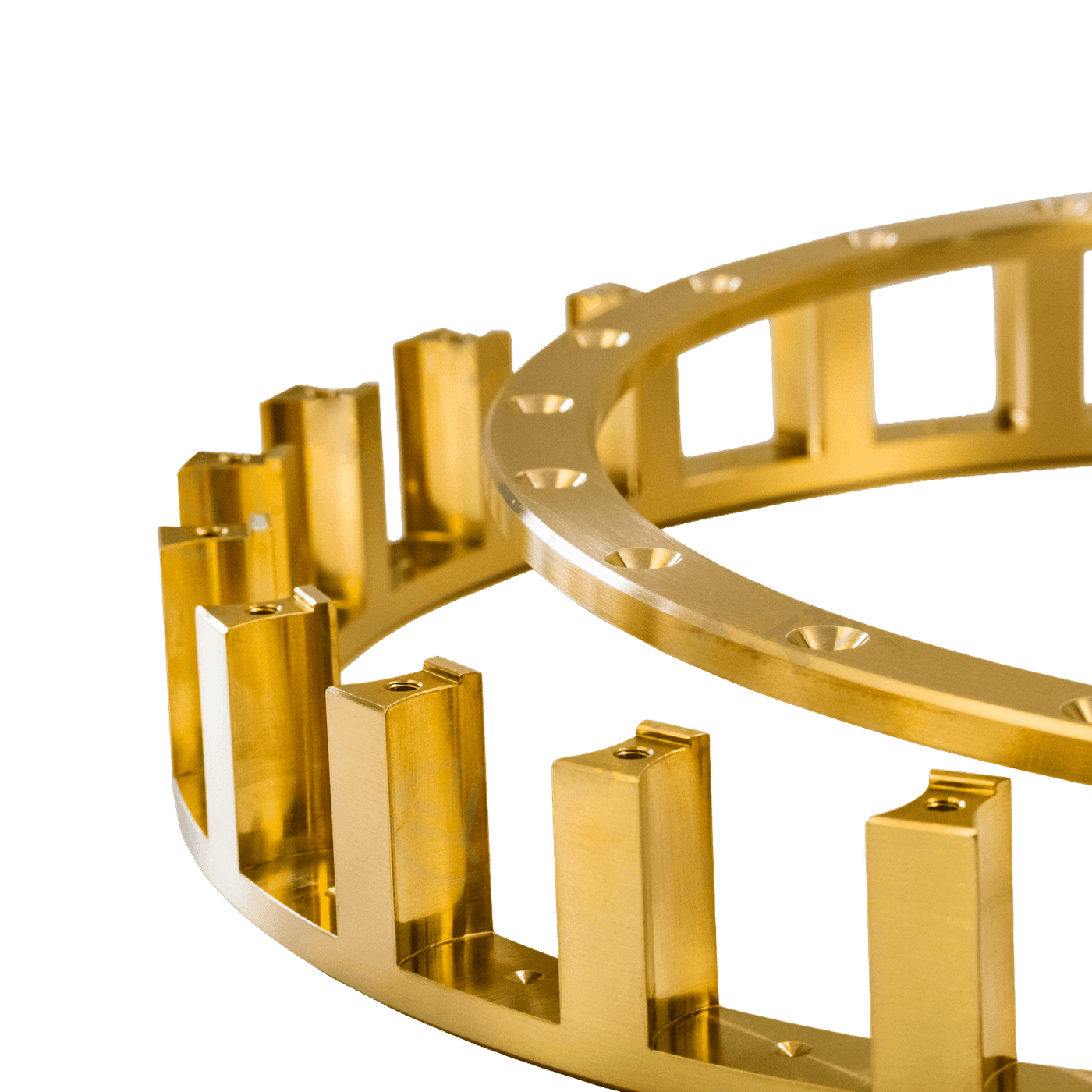
Bearing Cages and Rolling Elements
The dimensions and surface finish of rolling elements directly affect contact and rotational fit.
Part appearance and connection structure
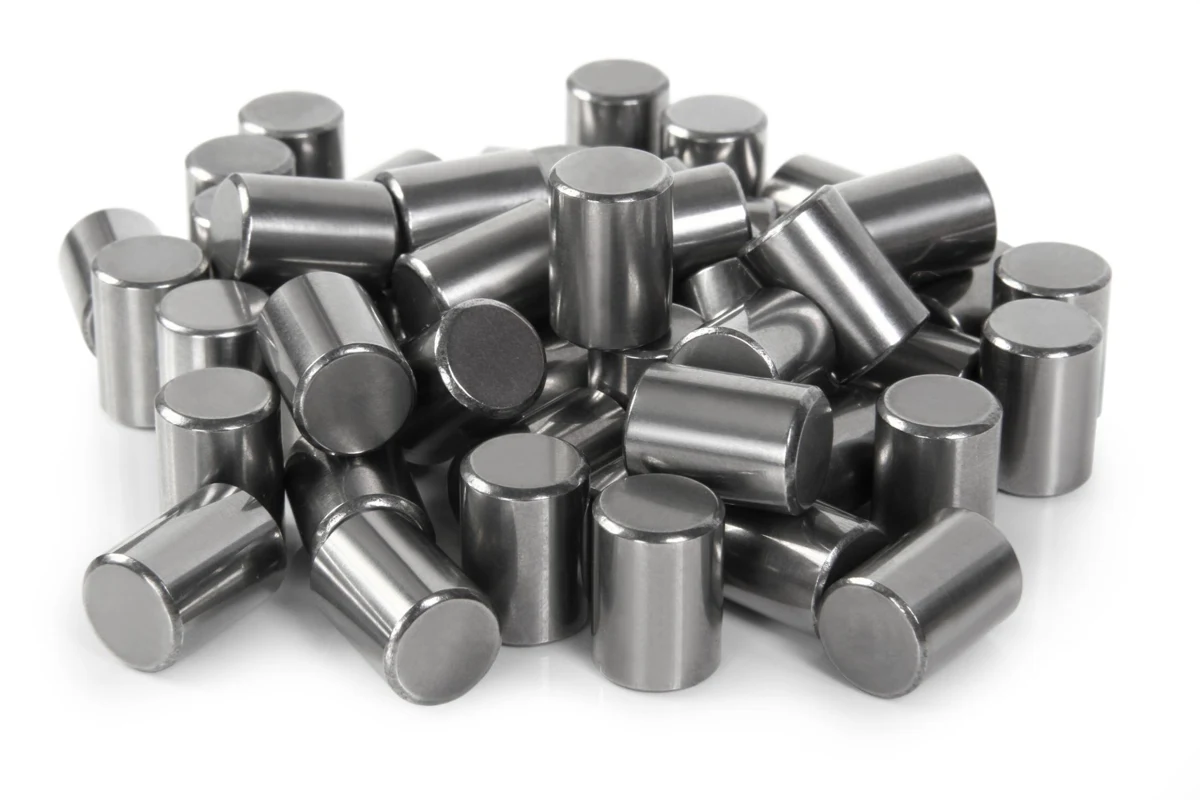
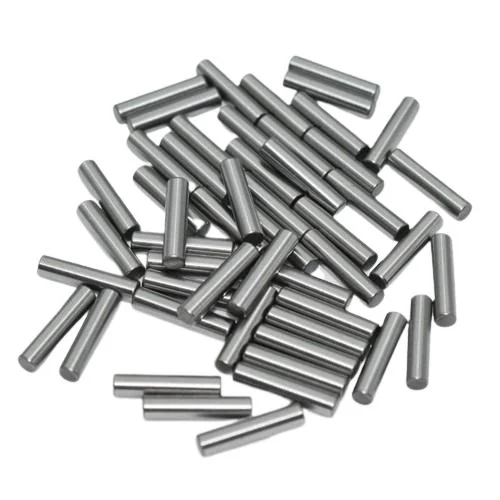
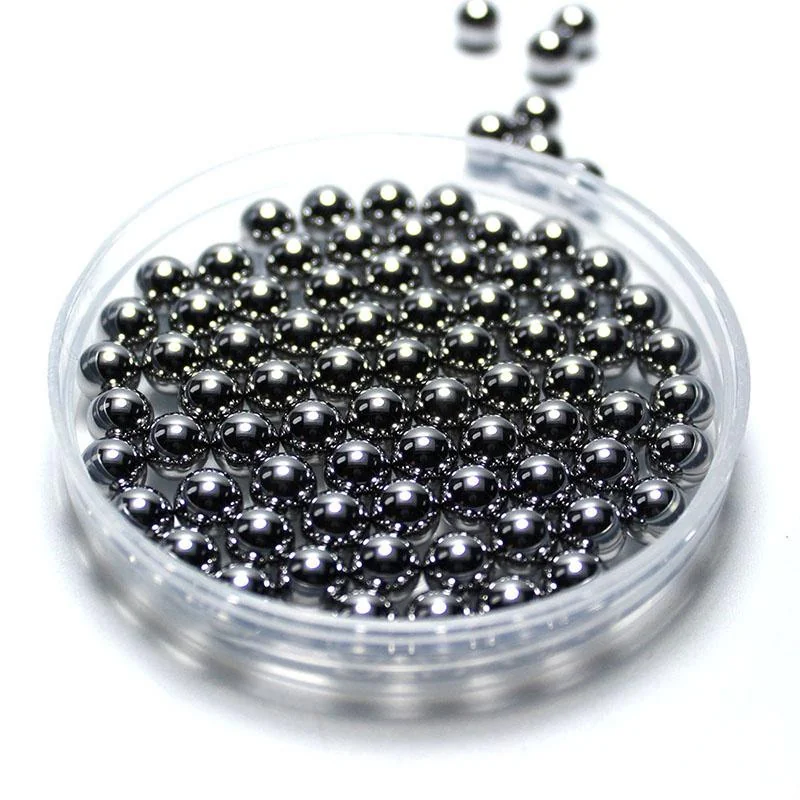
Assembly locations and application scenarios
- Component Types and Material Options
- Rollers, needle rollers; cage materials are evaluated separately based on cross-section and stamping route.
- Key points of material review
- Review cleanliness, the heat-treatment route, dimensions and surface defects. Define acceptance requirements for the actual component rather than assume one set applies to every bearing part.
Application 02
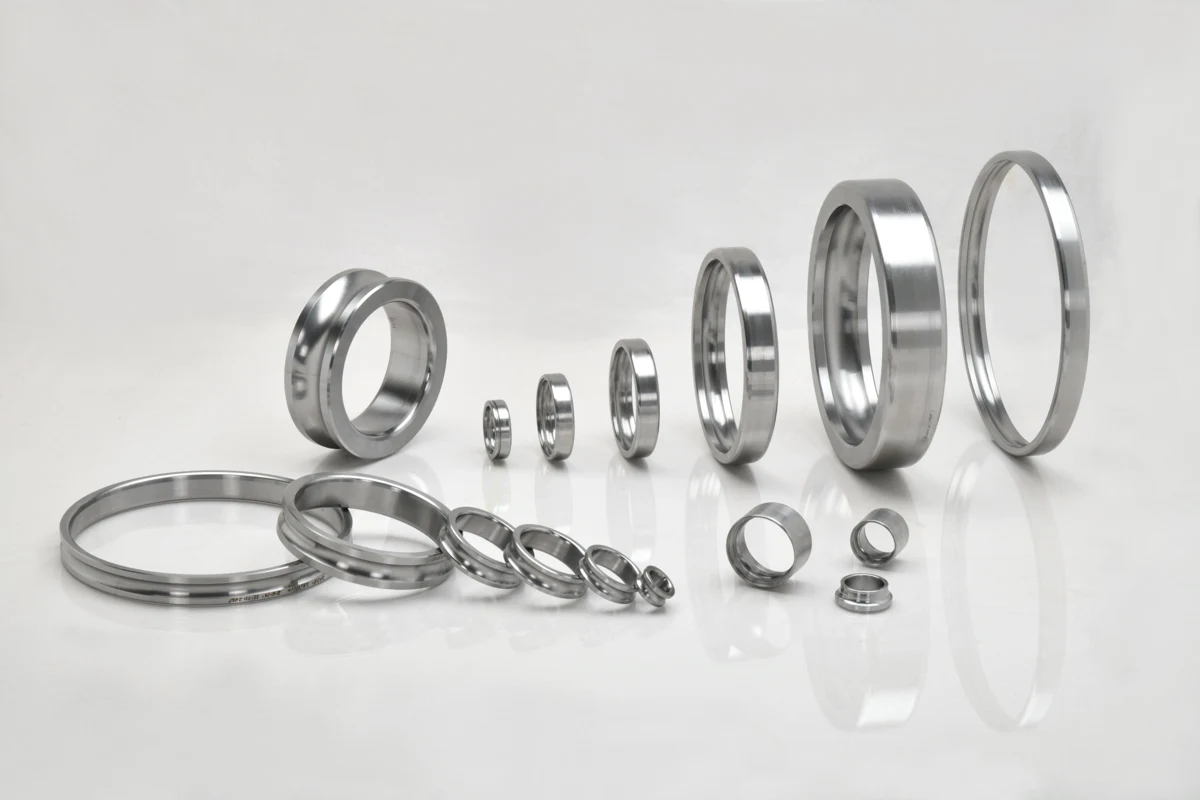
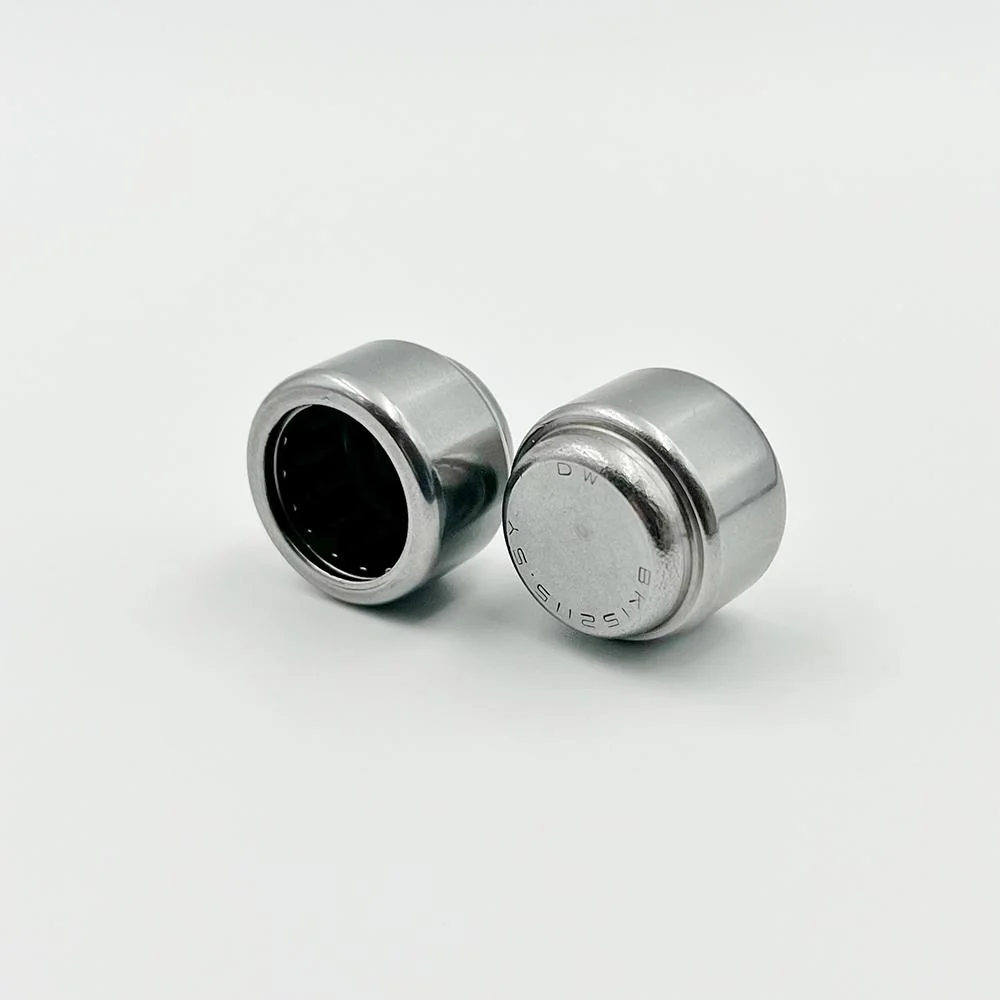
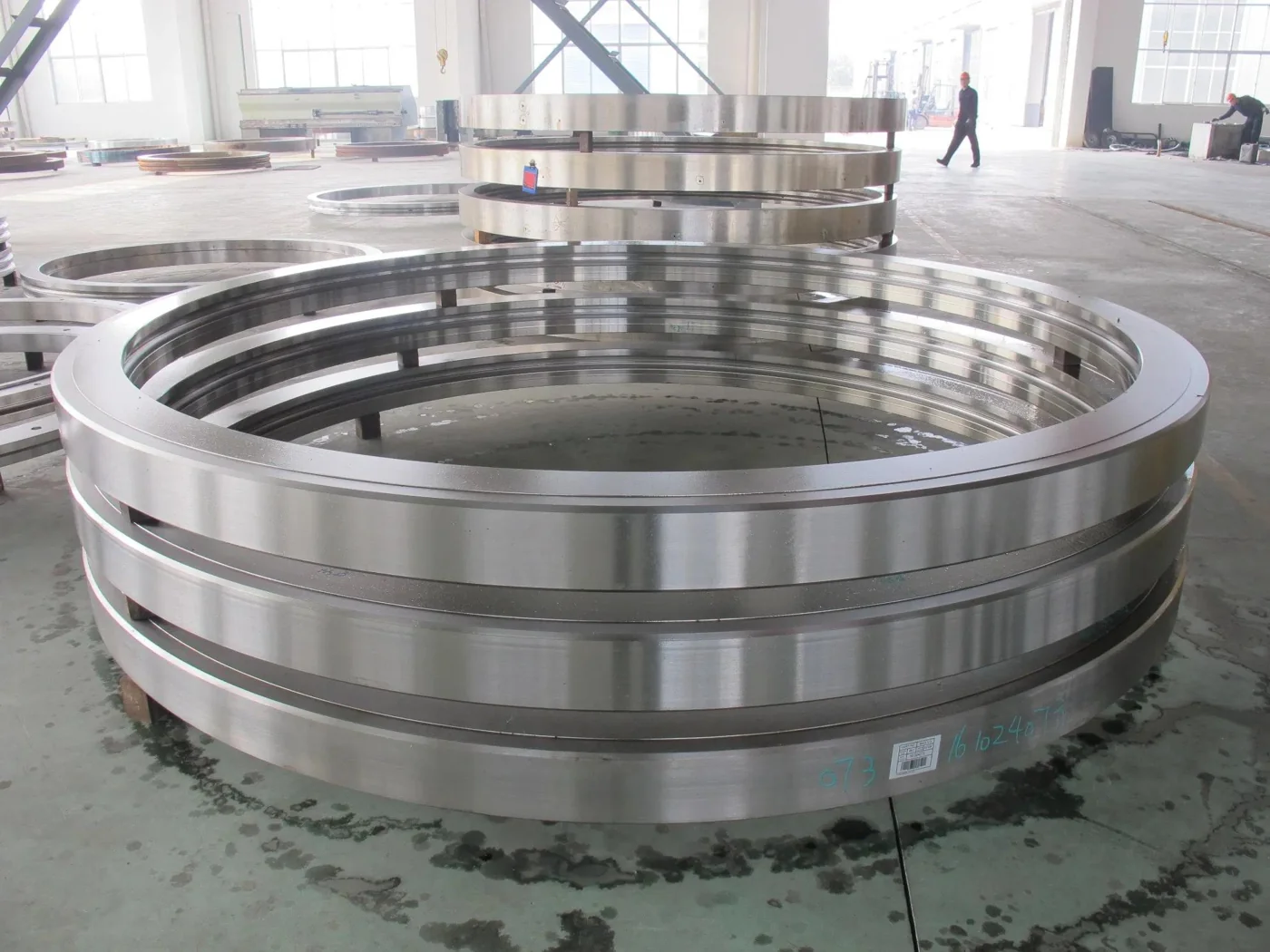
Bearing Rings and Sleeves
For ring-shaped structures, both the blank form and subsequent machining allowances must be confirmed.
Part appearance and connection structure
Assembly locations and application scenarios
- Component Types and Material Options
- Rings, sleeves, and ring-shaped blanks.
- Key points of material review
- Cross-section, machining allowances, heat treatment distortion, and hardness distribution.
Application 03
Rolling Bearings
Differentiate material requirements for rolling elements, rings, and cages based on bearing geometry.
Part appearance and connection structure
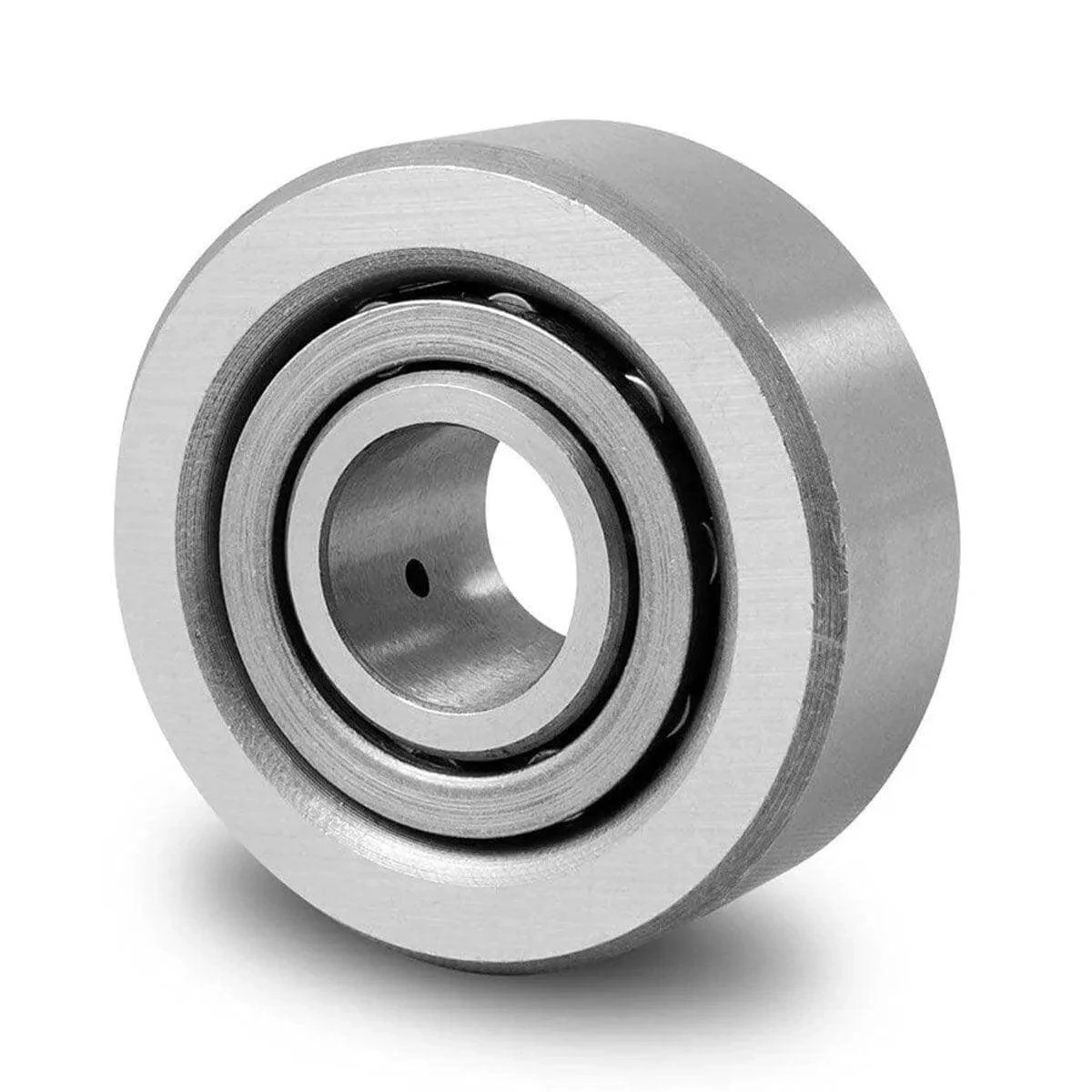
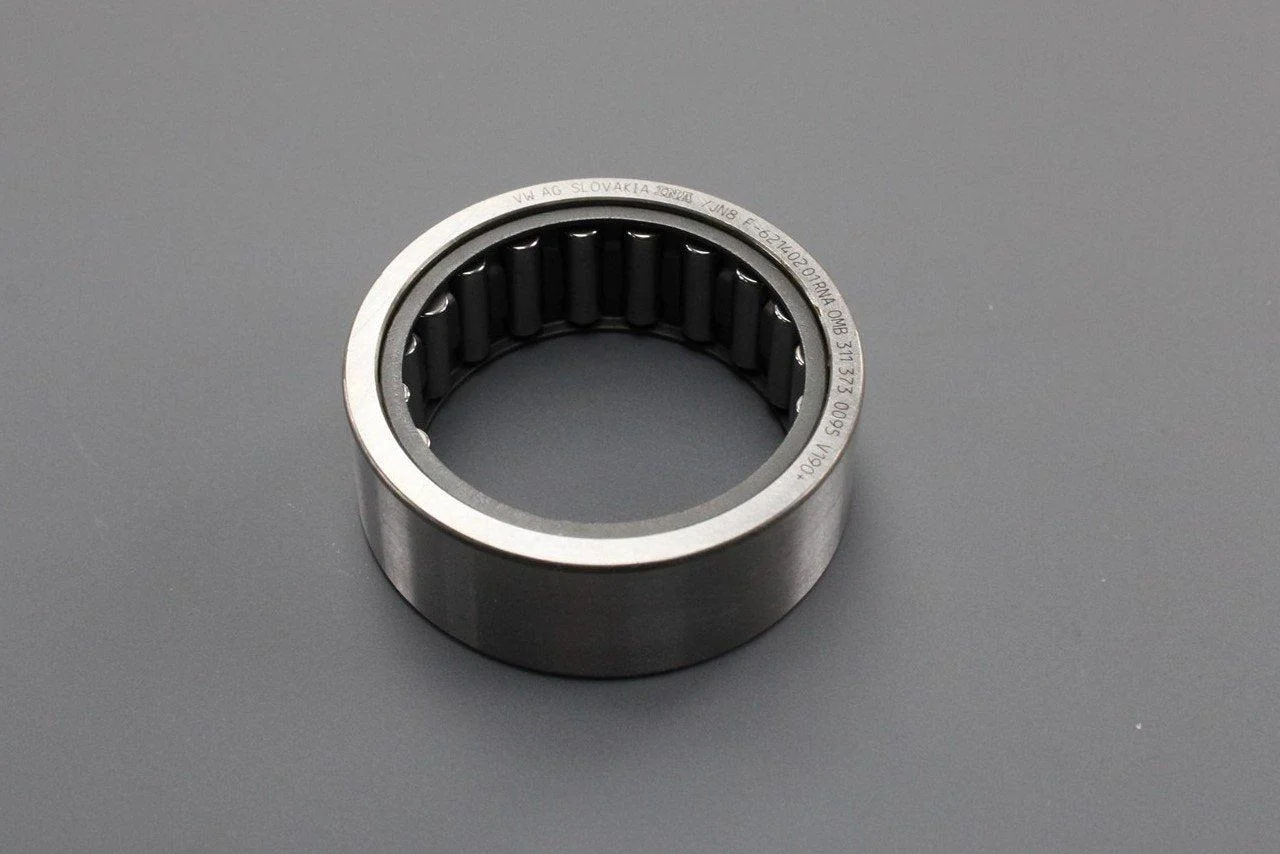
Assembly locations and application scenarios
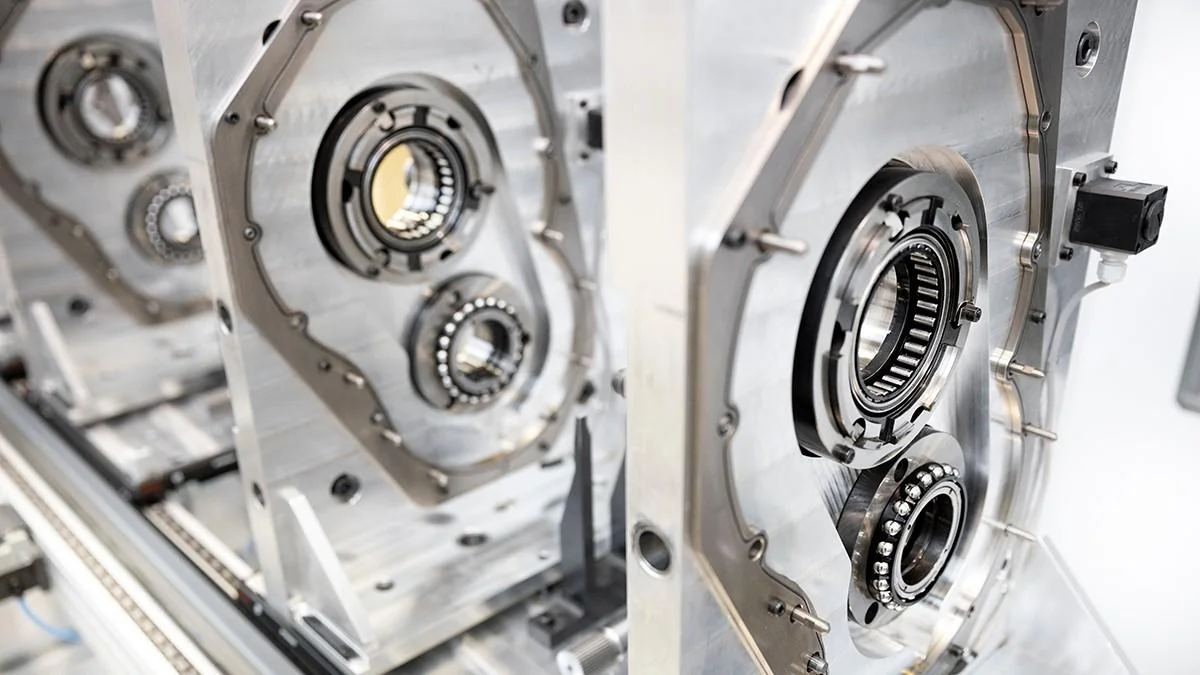
- Component Types and Material Options
- Metal components in roller and needle bearing assemblies.
- Key points of material review
- Part drawings, contact requirements, processing routes, and batch traceability.
Application 04
Shaft Systems and Wheel-Hub Mounting
Confirm materials based on the mating structure for shaft mounting and hub support.
Assembly locations and application scenarios
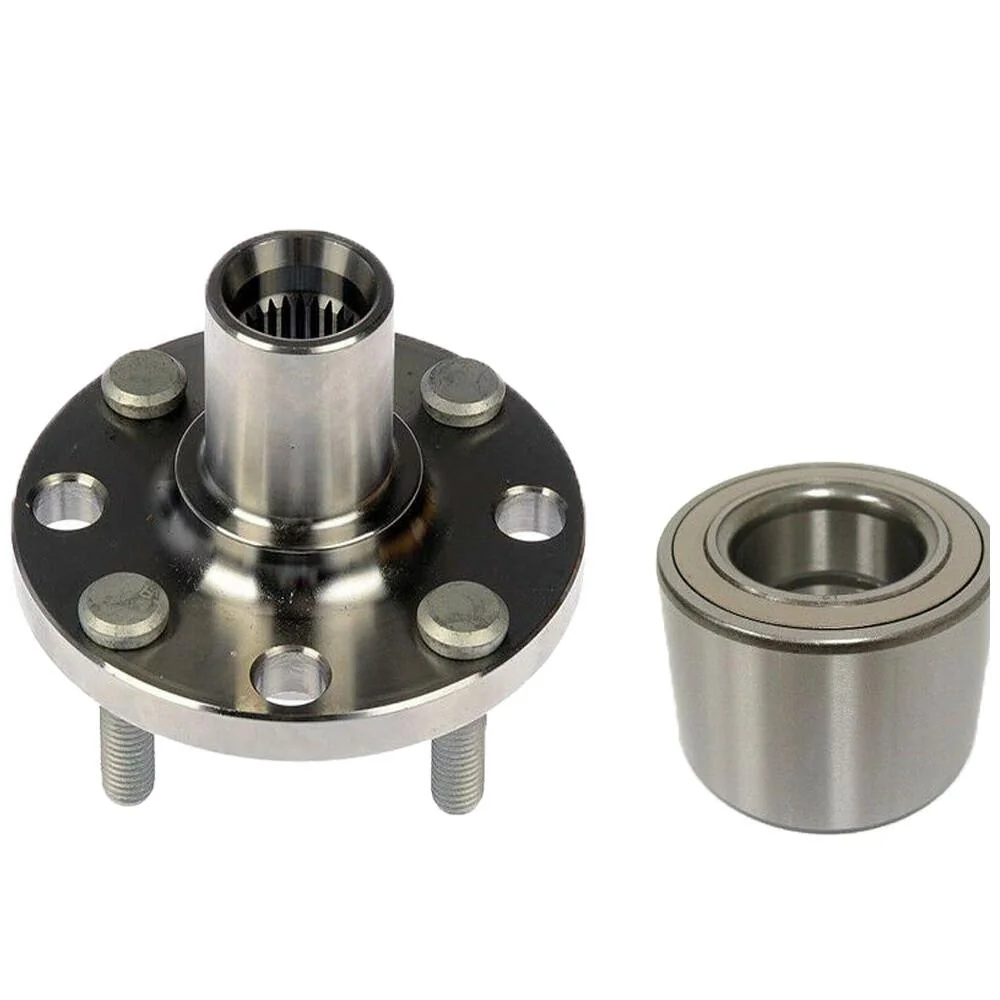
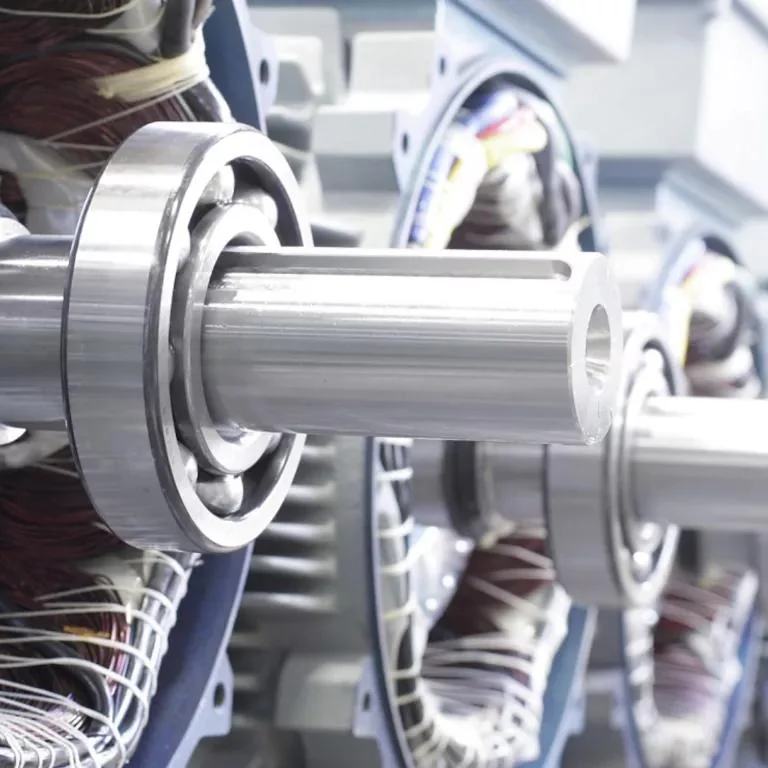
- Component Types and Material Options
- Hubs, bearing assemblies, and mounting fasteners.
- Key points of material review
- Load-bearing boundaries, fit dimensions, heat treatment, and assembly requirements.
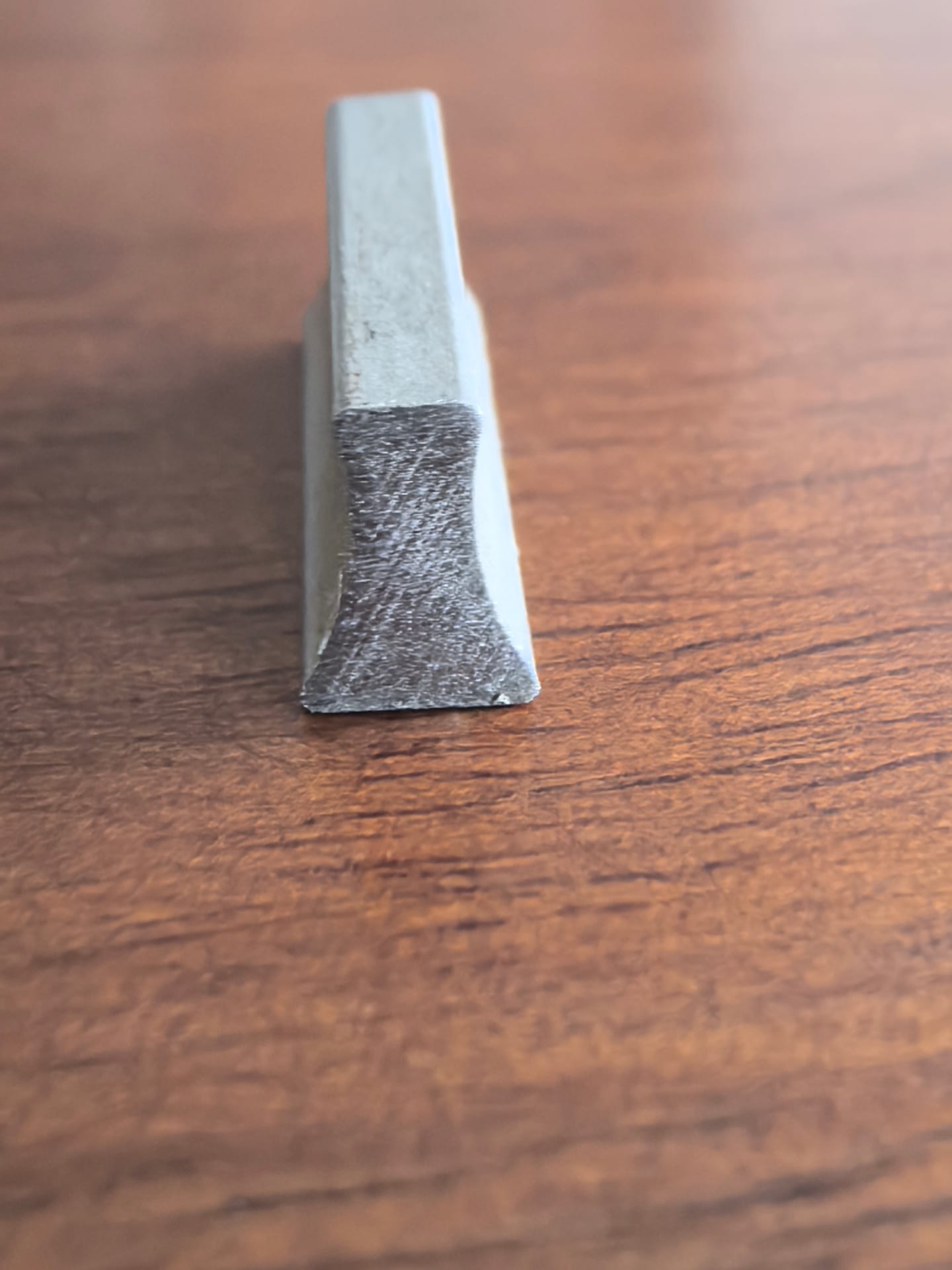
Shaped Material for Bearing Cages
The display connects shaped materials with bearing-cage applications. Confirm the section, material condition and processing requirements against the component drawing.
Application 05
Joint Bearings and Needle Rollers
Differentiate the material requirements for needle rollers, bearing cups, and fasteners based on joint rotational fits.
Part appearance and connection structure
Assembly locations and application scenarios
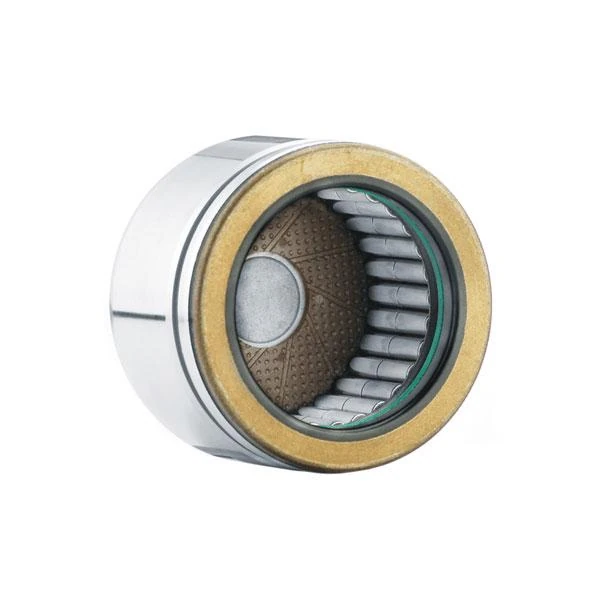
- Component Types and Material Options
- Needle rollers, rollers, and mounting fasteners; cross shafts and yokes are not shown as cold-headed parts.
- Key points of material review
- Wire dimensions, cleanliness, surface quality, and subsequent cutting, grinding, and heat treatment requirements.
Bring specific part requirements into the material review
Provide the part drawing, material or property requirements, processing route, delivery specification and acceptance criteria. Confirm material suitability before arranging trials and tests.
Submit project requirements →Identify the grade, standard edition, units, delivery condition and inspection requirements in the project review. The agreed technical specification governs acceptance.