
Creation Group · Material Customization and Development
Starting from your part requirements,
we develop materials for consistent delivery.
Based on the customer’s final part requirements, jointly develop suitable materials, performance levels, and cross-sections. Through material processing, testing, and batch control, we progressively establish a verifiable, traceable delivery solution.
Five Professional Capabilities
Extending from material development directly to the customer’s manufacturing site.
Centered on a specific part, we link material, performance, geometry, process, and quality requirements. Click each capability to view development approaches and existing cases.
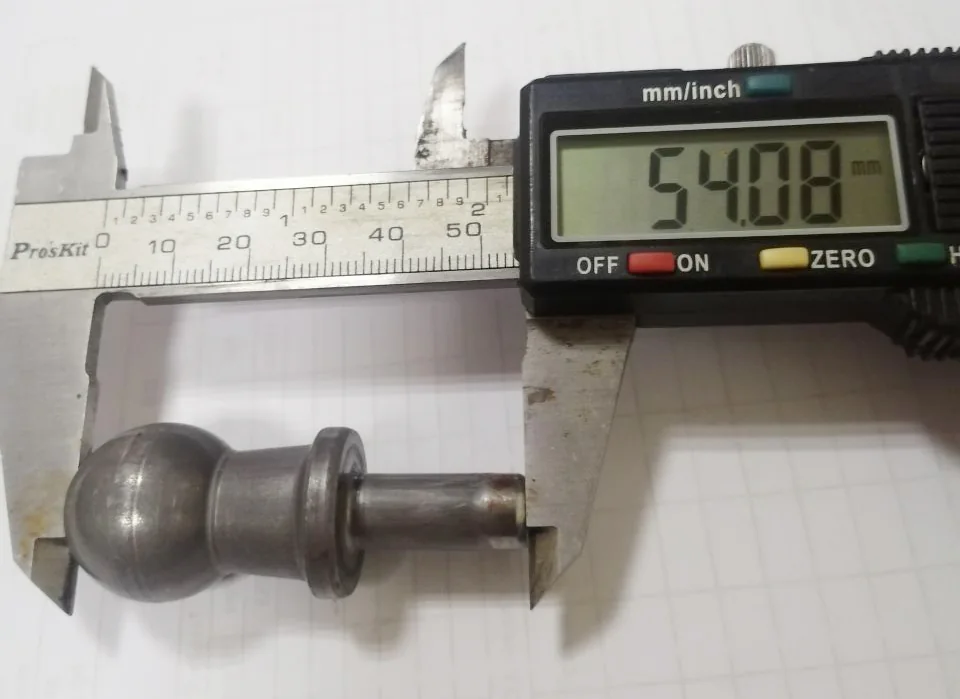
Development of special materials and custom grades
When conventional grades cannot meet the requirements, collaborate with steel mills to develop chemical composition, smelting routes, and delivery conditions, and organize trial production and application validation.
Provide a clear material development pathway for special applications, imported material substitutions, and new part development.
 02
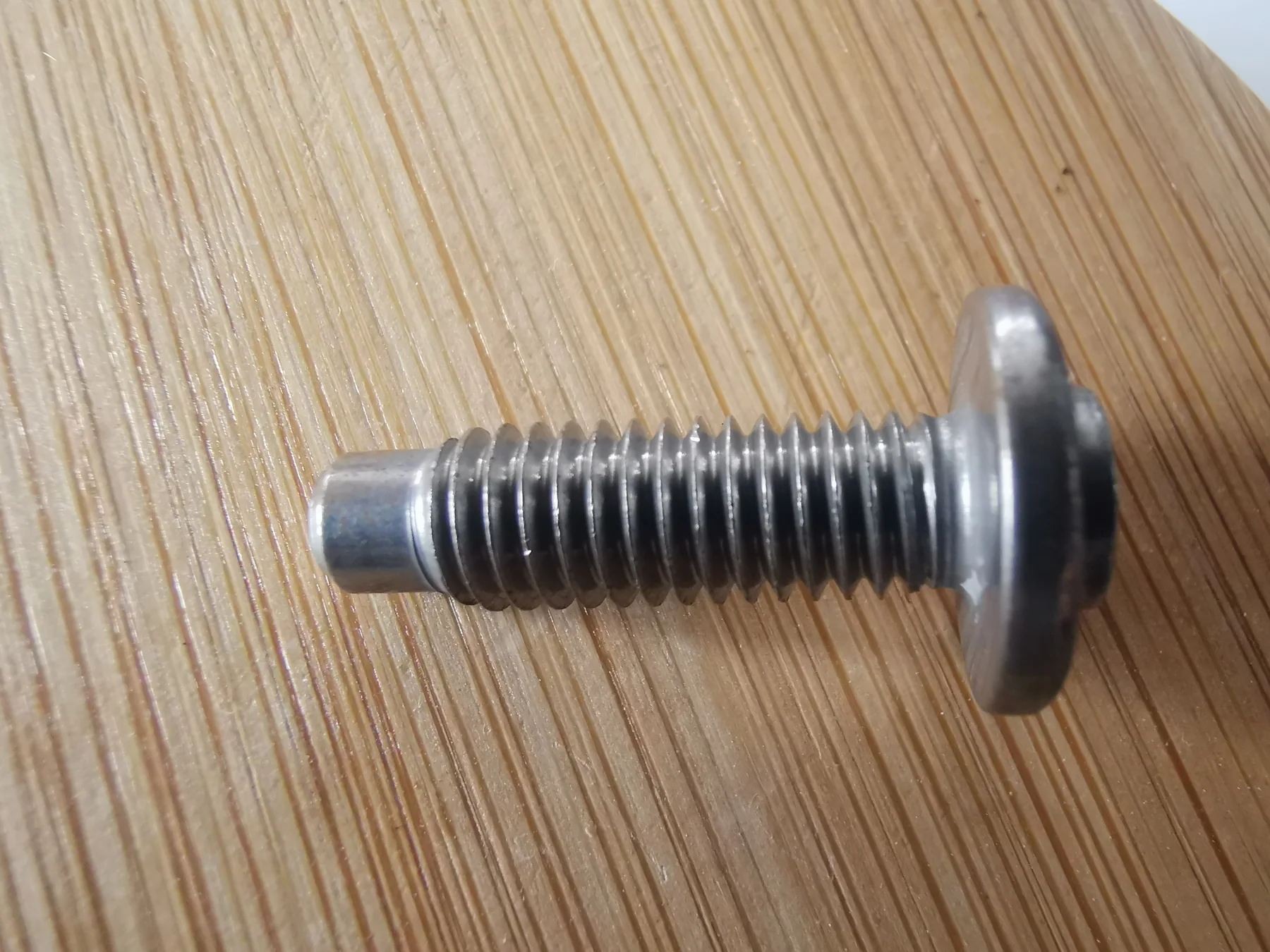
Application-specific mechanical properties and consistency control
Determine performance ranges such as tensile strength, elongation, and hardness around the customer’s part, while also monitoring fluctuations across coils and batches.
Carry the results of sample validation into subsequent deliveries through process and quality control.
 03
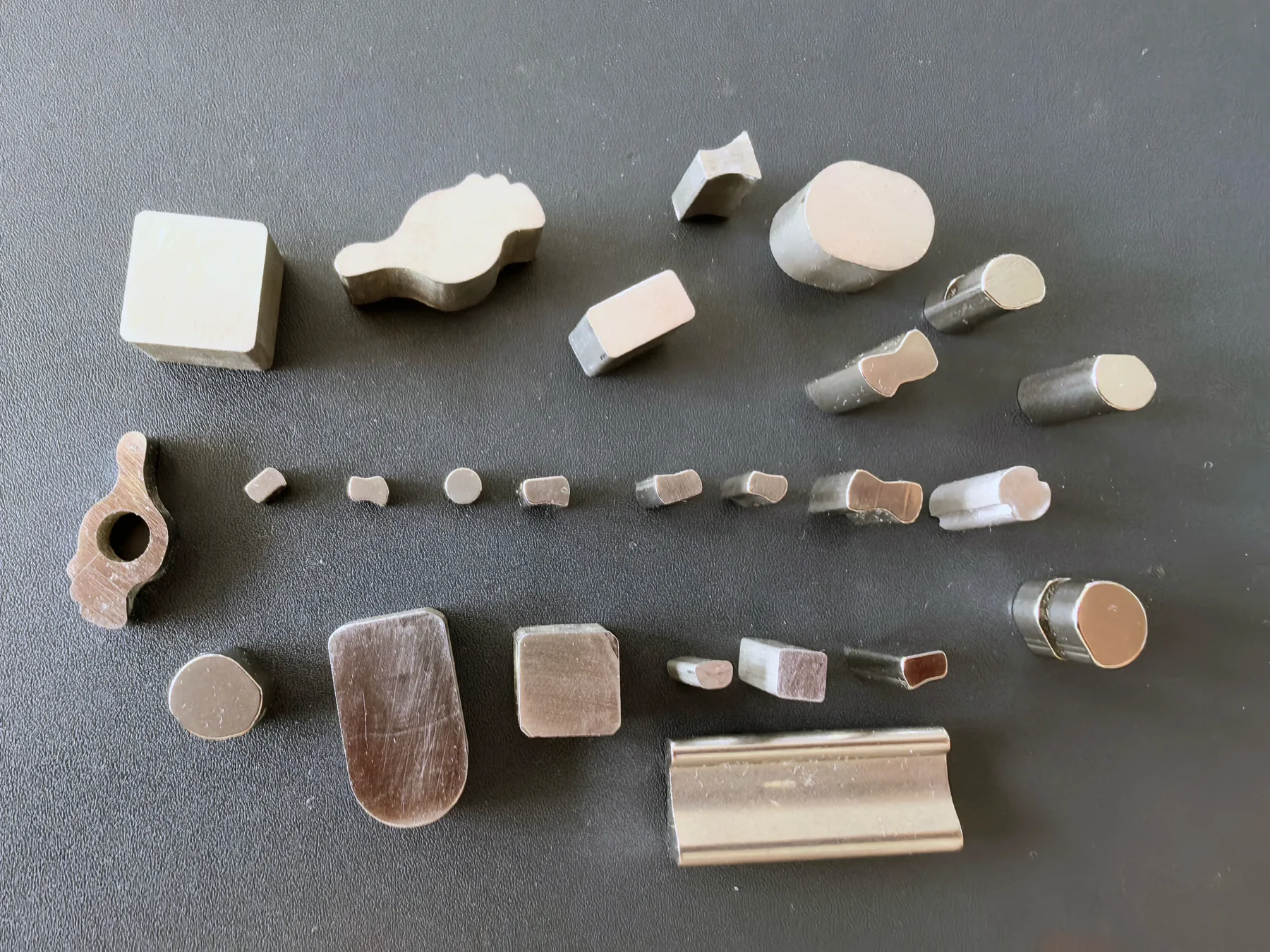
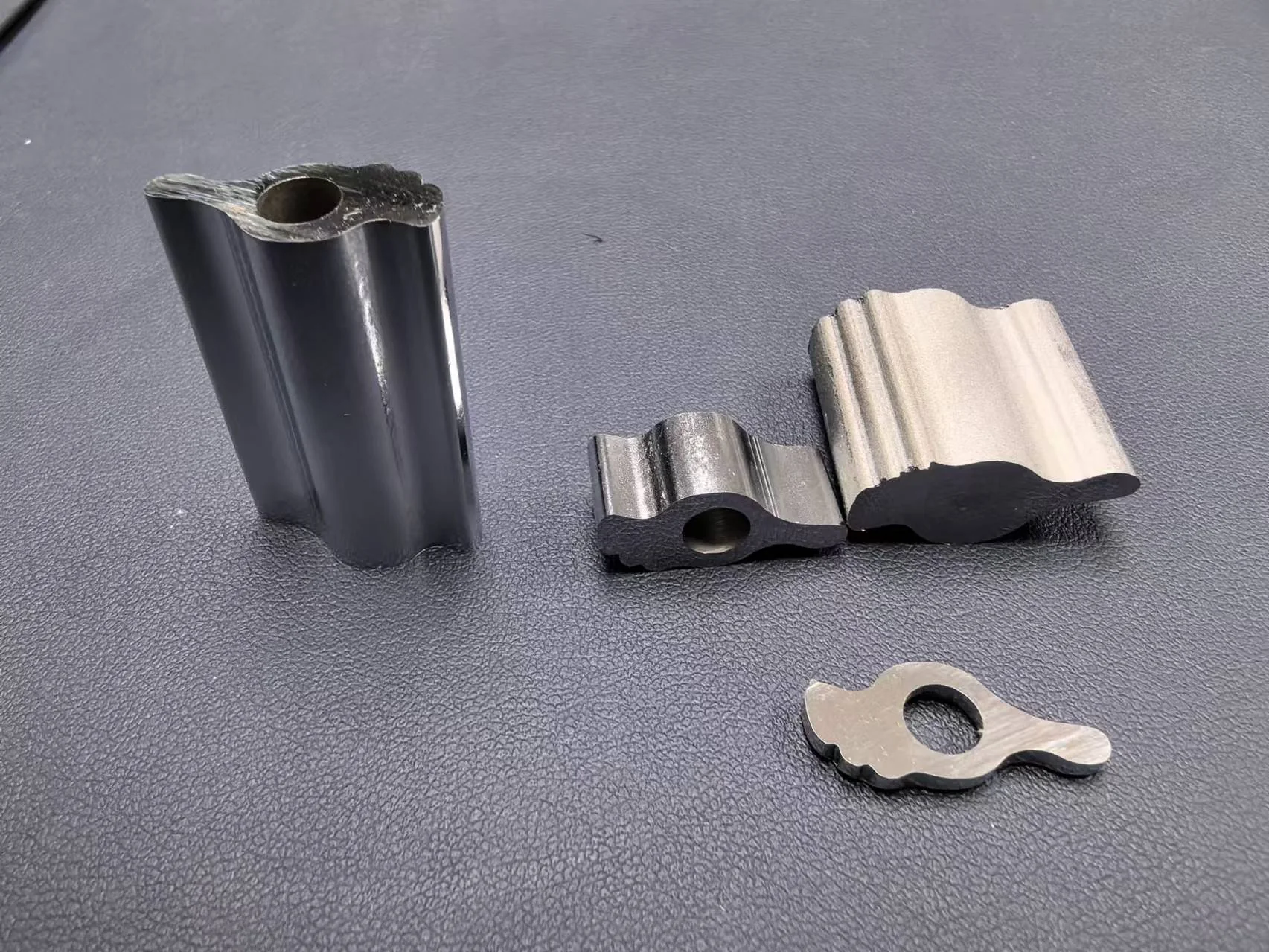
Development of precision-shaped cross-sections and near-net-shape materials
Based on customer part and downstream processing needs, develop non-circular cross sections, complex profiles, and near-net-shape materials, while jointly controlling dimensions, fillet radii, and surface quality.
To minimize subsequent cutting, shaping, or material removal, we provide verifiable front-end material solutions.
 04
Solving Problems Through the Synergy of Materials, Tooling, and Forming Processes
Taking into account material condition, spheroidizing annealing, wire drawing, lubrication, and the customer’s forming stations, jointly assess cracking, forming difficulties, and tool-related issues.
Align material adjustments with the customer’s actual processing conditions, reducing information gaps between stages.
 05
Quality assurance from pilot verification to volume delivery
Use material testing to support development decisions, linking raw materials, processes, inspections, and order records to establish a quality foundation for subsequent mass deliveries.
Enable customers to verify material condition, test results, and heat batch origins, supporting development confirmation and subsequent anomaly tracing.
How Projects Are Carried Out
Gradually transform requirements into verifiable solutions.
Development and validation proceed on a project basis; the technical conditions and responsibilities at each stage are jointly confirmed by all participating parties.
- 01
Starting from the component
Clarify the drawings, intended use, current materials, and processing challenges—be clear about the objectives.
- 02
Formulate a material solution
Based on material grade, performance, cross section, and delivery condition, jointly evaluate the development path.
- 03
Trial production and application validation
Validate solutions through material testing, trial samples, and actual customer processing results.
- 04
Confirm delivery and control
Clarify technical agreements, inspection requirements, and traceability protocols to support subsequent mass deliveries.
Manufacturing has a foundation, and collaboration involves clear division of labor.
Creation Group is responsible for wire and shaped wire material processing, testing, and quality control. Depending on project needs, it collaborates with steel mills, die suppliers, and customers to carry out raw material development, die coordination, and practical forming validation.
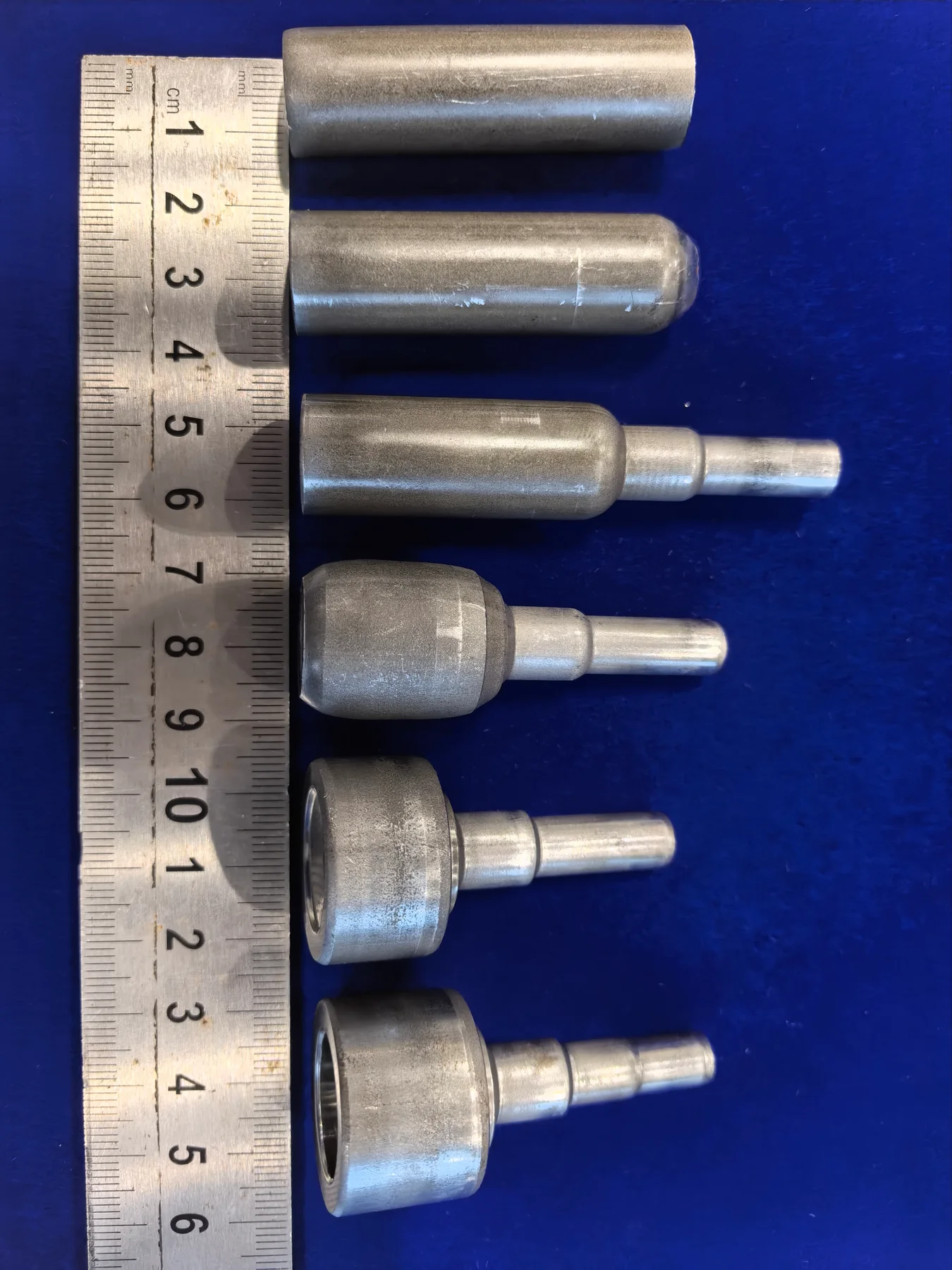
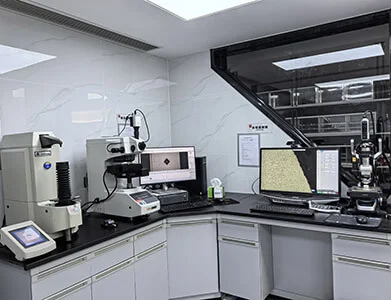
Make engineering capabilities auditable.
Use samples, tests, and records to document each step of the development process.
Real samples showcase project experience, test results support material assessments, and process records link trials to subsequent deliveries. This aligns development approaches with validation evidence.
- 01 Testing of Material Composition, Microstructure, and Properties
- 02 Cross-sectional dimensions, surface finish, and forming verification
- 03 Heat number, process, inspection, and order traceability
Start with a specific requirement
Share your part requirements with us for joint discussion.
Whether a clear grade is already specified or a suitable material is still being sought, the starting point can be the part, its application, and processing requirements.
Communicating material and development requirementswebsite@chqwire.net
- Part Drawings, Applications, and Operating Conditions
- Currently used materials or target materials, standards
- Dimensions, properties, surface finish, and delivery condition
- Machining challenges, trial production quantities, and verification requirements
Project case studies are used to showcase development experiences. Specific feasibility, material substitution, performance, dimensions, trial production quantities, and supply conditions shall be subject to mutually confirmed drawings, applicable standards, and technical agreements after technical review.