
PROFILE DEVELOPMENT / 100Cr6
Automotive oil-pump pendulum profile wire
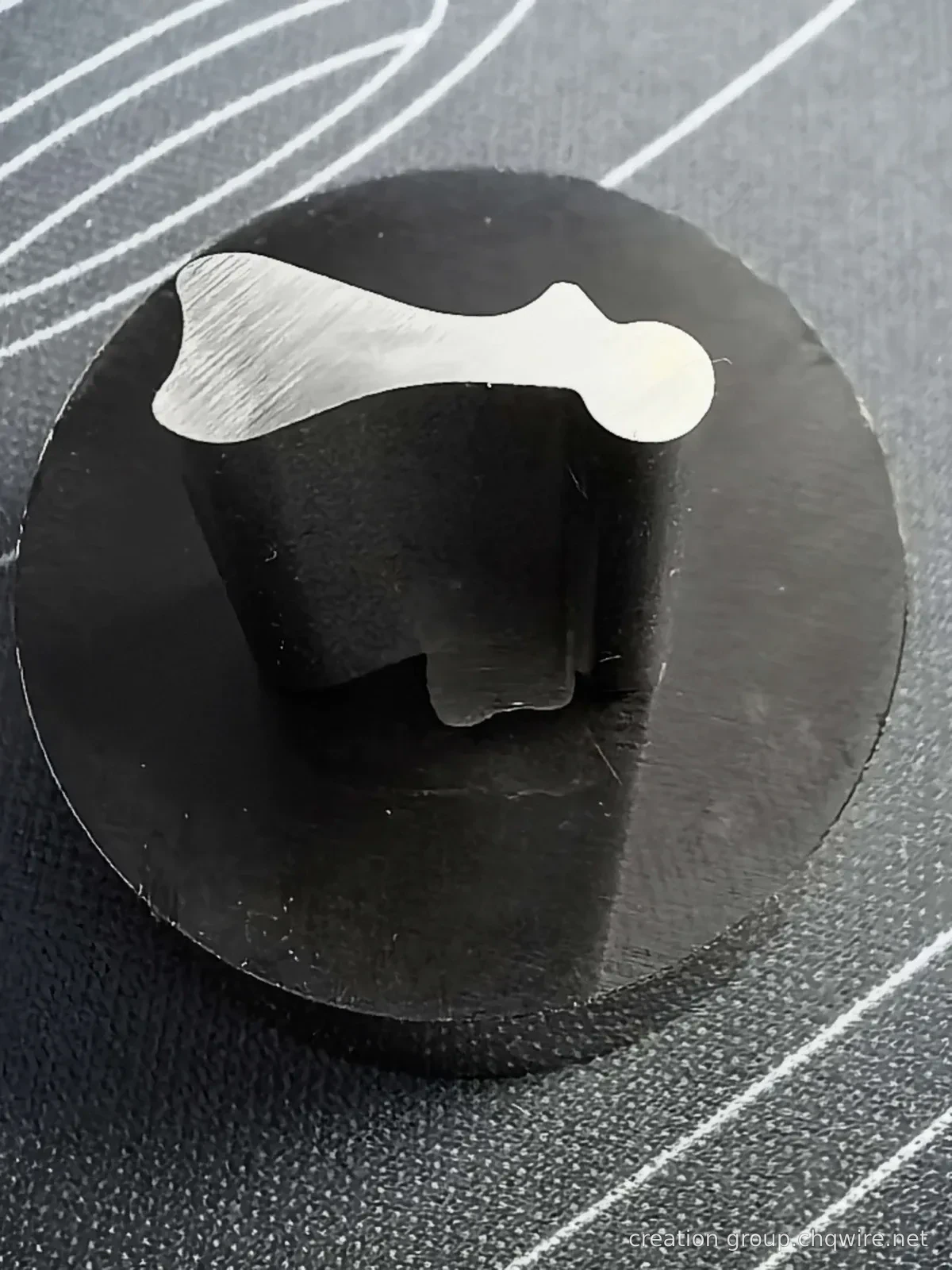
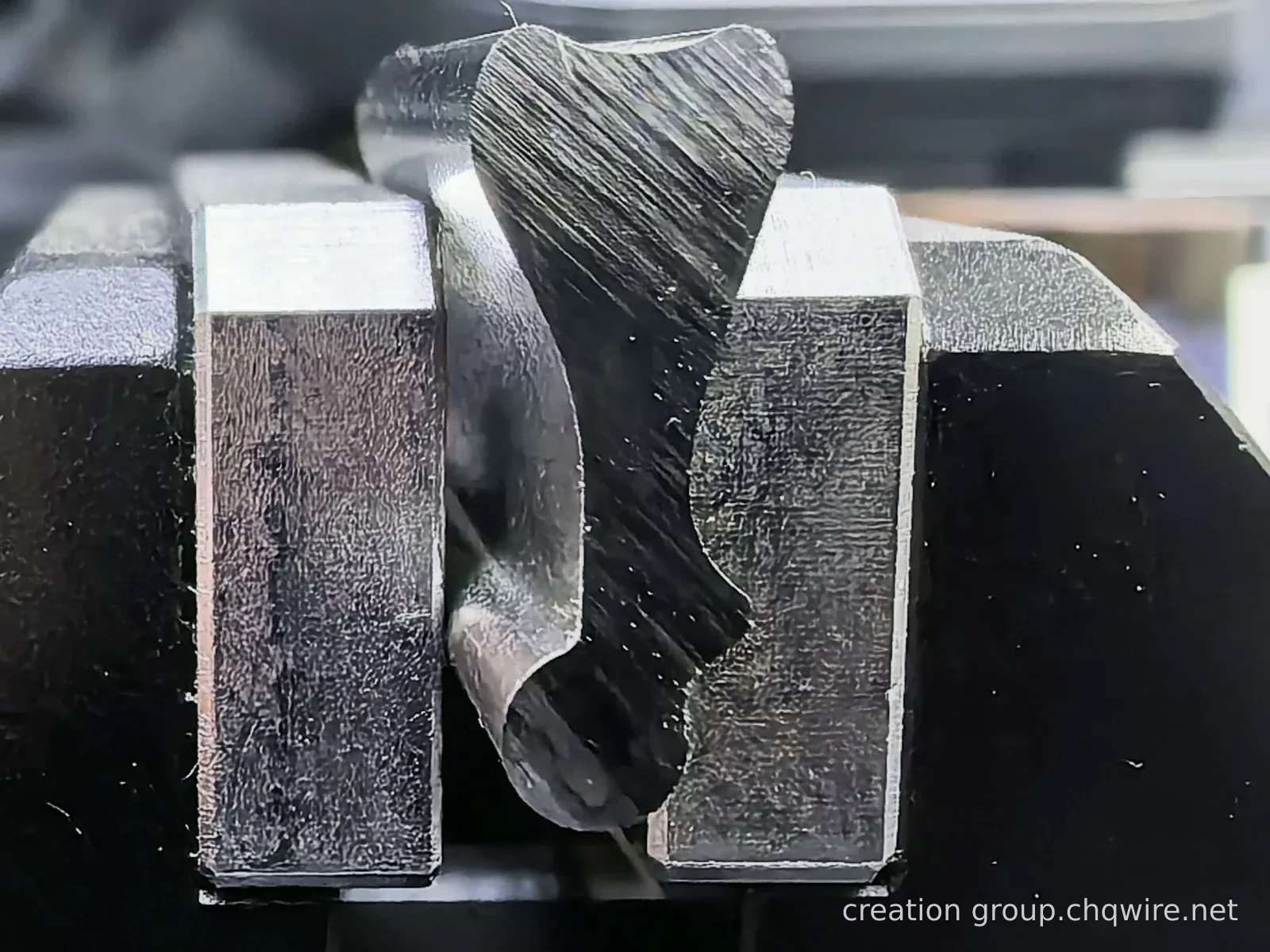
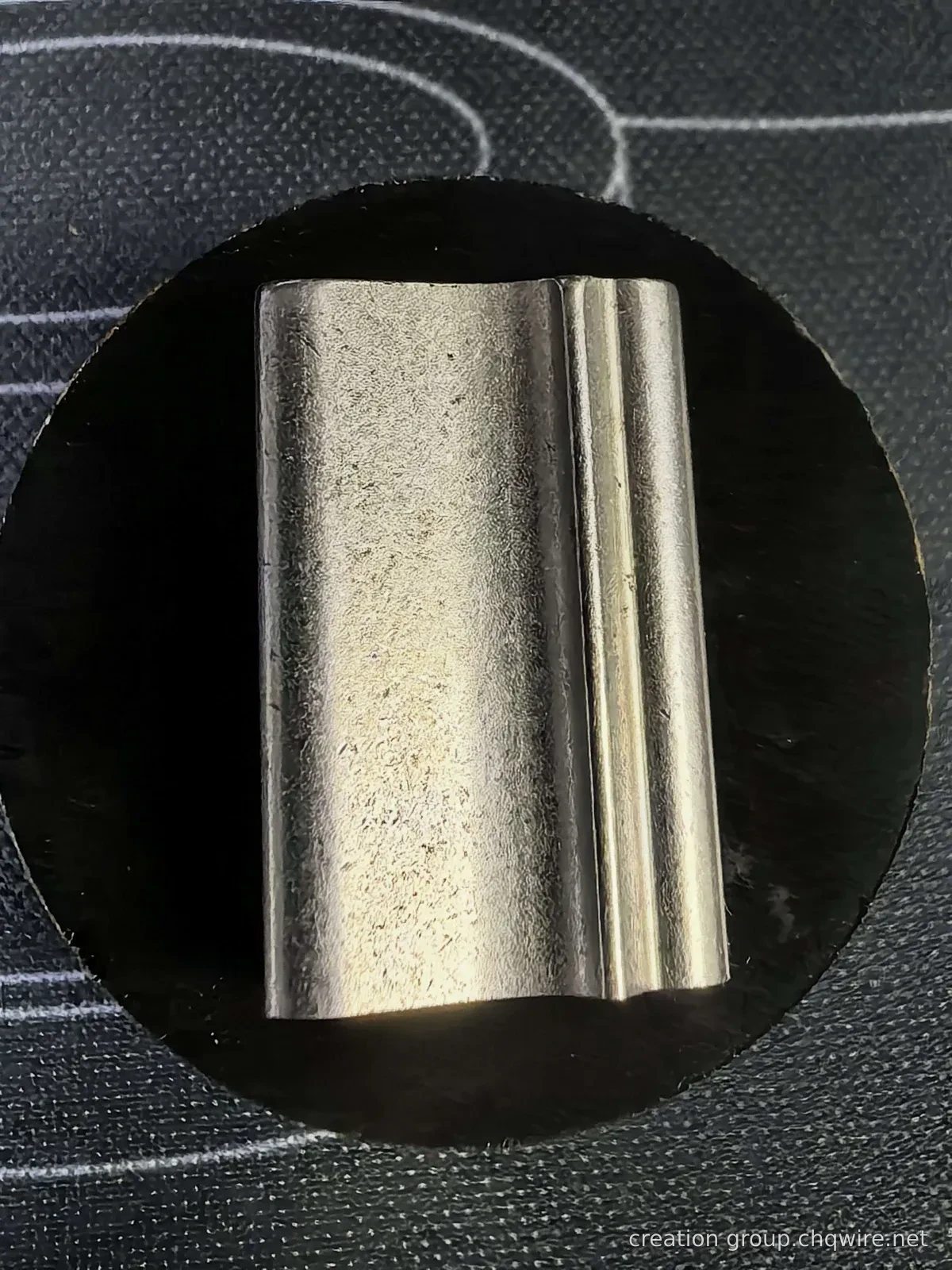
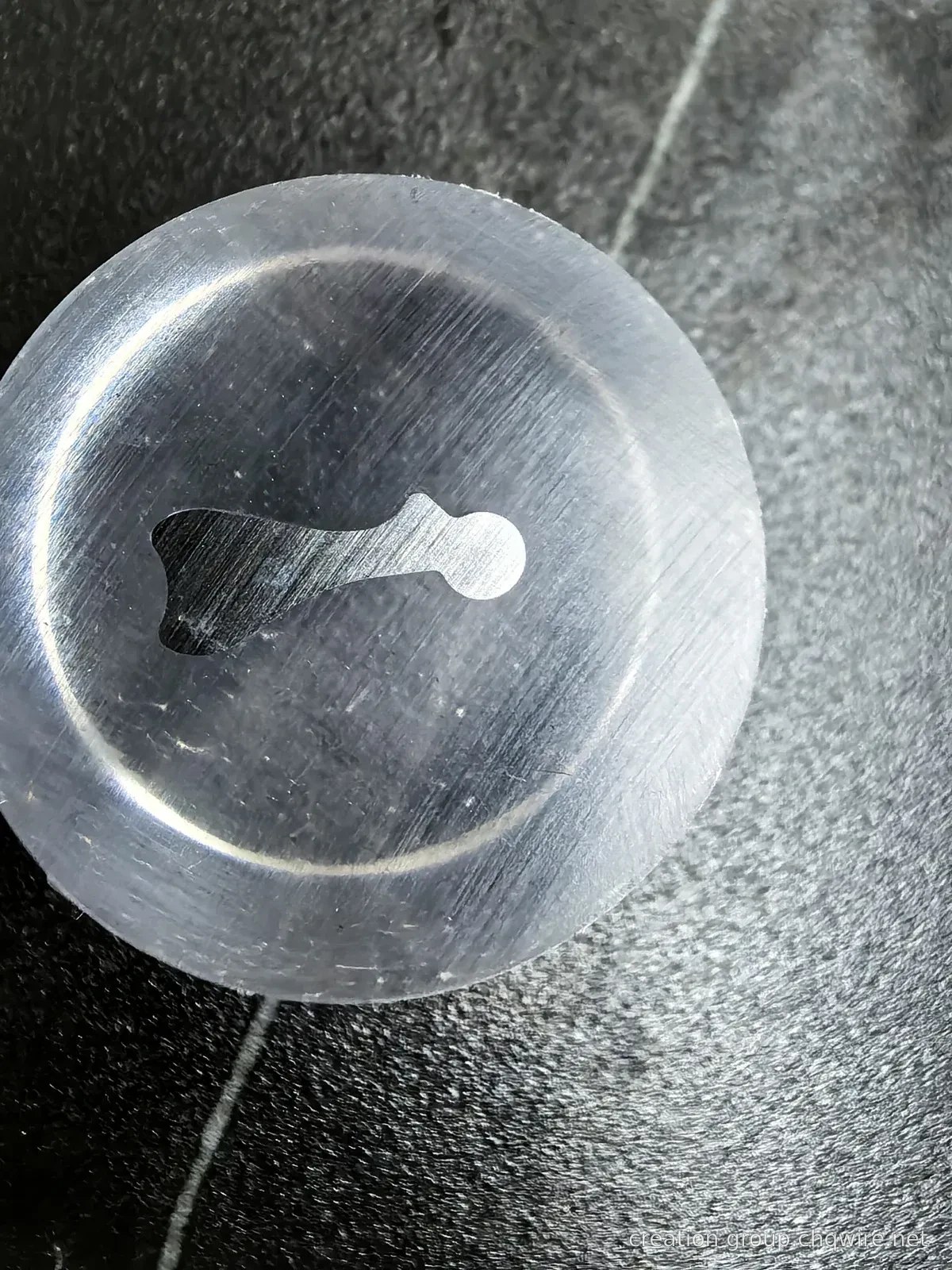
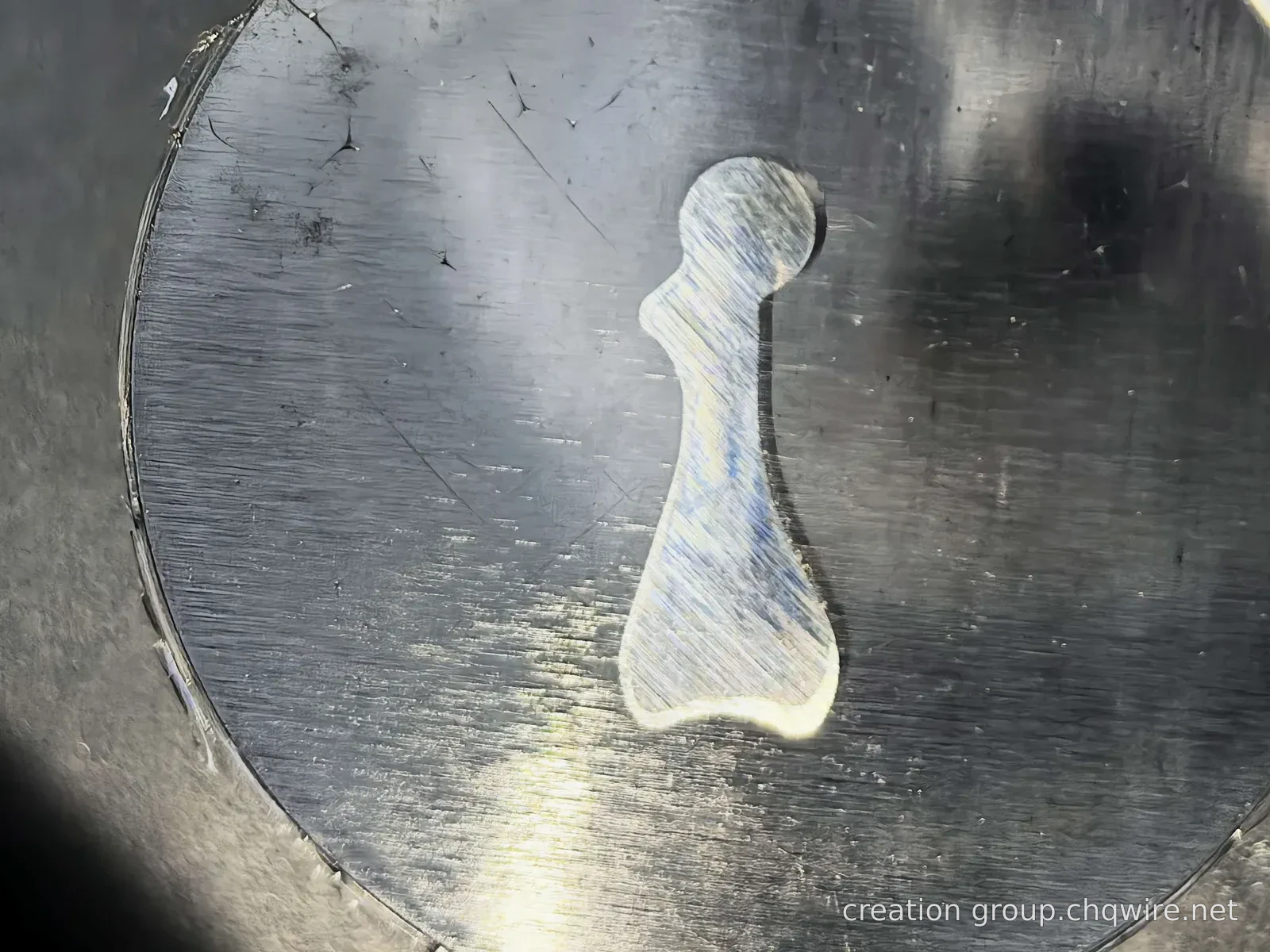
This case presents 100Cr6 profile wire developed for automotive oil-pump pendulum components, illustrating the continuous cross-section of the spherical head, neck, and base. The page compiles in-house sample video footage, 7 photographs, an interactive 3D reference model, and oil-pump structural documentation—enabling reverse engineering of the wire cross-section and subsequent processing requirements from functional installation considerations.
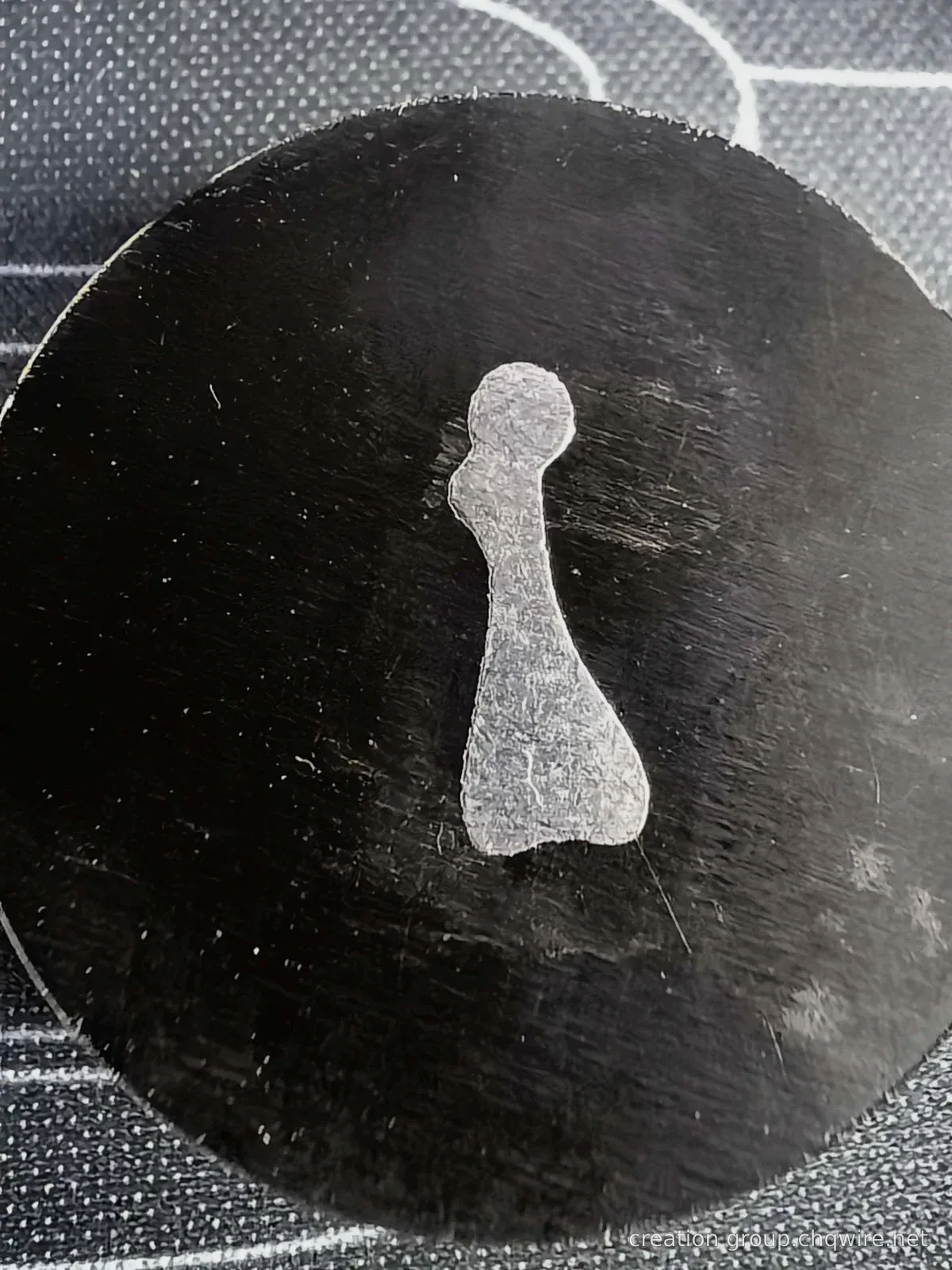
Geometric Focus Points
Spherical head, neck, and bottom profile
Full cross-sectional profile and local radii to be confirmed per drawing.
Confirm technical requirements based on the drawing
Automotive Oil-Pump Pendulum · In-House Sample Footage
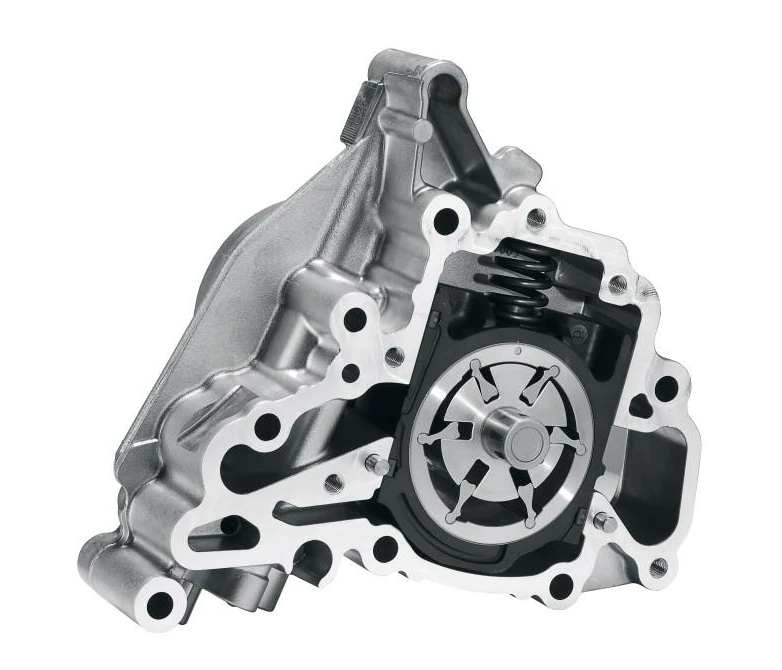
Position and function of the pendulum within the automotive oil pump
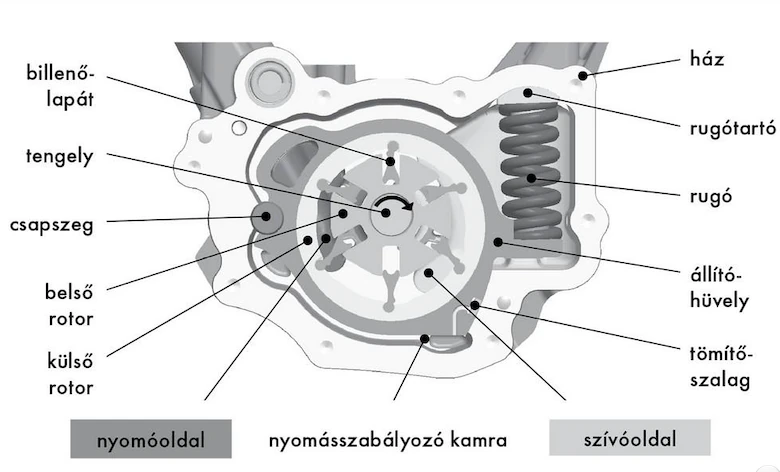
In a pendulum-slider oil pump, the pendulum connects the inner and outer rotors; it pivots at the outer rotor and is guided by slots in the inner rotor. As the rotors rotate, the volume of each working chamber varies cyclically to accomplish oil suction and discharge. MAHLE’s technical documentation describes designs for demand-based lubricating-oil supply. Here, the pendulum is a moving component inside the pump—not an engine balance weight. [1][2]
Material 100Cr6: Separate confirmation of forming condition versus service condition
Ovako classifies 100Cr6 as a through-hardening bearing steel suitable for rolling contact and high fatigue loading, specifying both spheroidized and quenched & tempered conditions. Different variants emphasize distinct controls on cleanliness, sulfur, and silicon content; identical grade designation alone does not guarantee equivalent formability. [3] Material identification and automotive oil-pump application cited herein derive from sample documentation and customer confirmation; publicly available literature does not constitute material certification or whole-pump approval for this sample.
Processing value and key review items for profile wire
The engineering approach pre-defines the repeating longitudinal contour—spherical head, neck, and base—into the wire cross-section, then evaluates cutoff, end-face machining, heat treatment, and finishing routes to minimize material removal from round stock. Actual savings must be confirmed via process comparison and quotation. Dimensional verification includes head radius, neck width, transition fillets, profile tolerance, straightness, and twist; acceptance criteria are agreed upon for spheroidized microstructure, hardness, surface defects, and decarburization. Final parts further require verification of end-face parallelism, surface roughness, mating clearance, and heat-treatment distortion; pump-level durability and efficiency are assessed via assembly-level testing.
Documentation basis and scope of confirmation
In-house video and 7 photographs document this sample; automotive oil-pump application is confirmed by the customer. Structural reference images were provided by the customer for illustrative purposes only; original image rights remain with their respective owners. Literature provides general pump architecture and material background but does not validate the customer, vehicle fitment, or inspection compliance of this sample.
Application structure reference
Interactive 3D model
3D reference model; actual dimensions and manufacturing conditions to be confirmed per drawing.
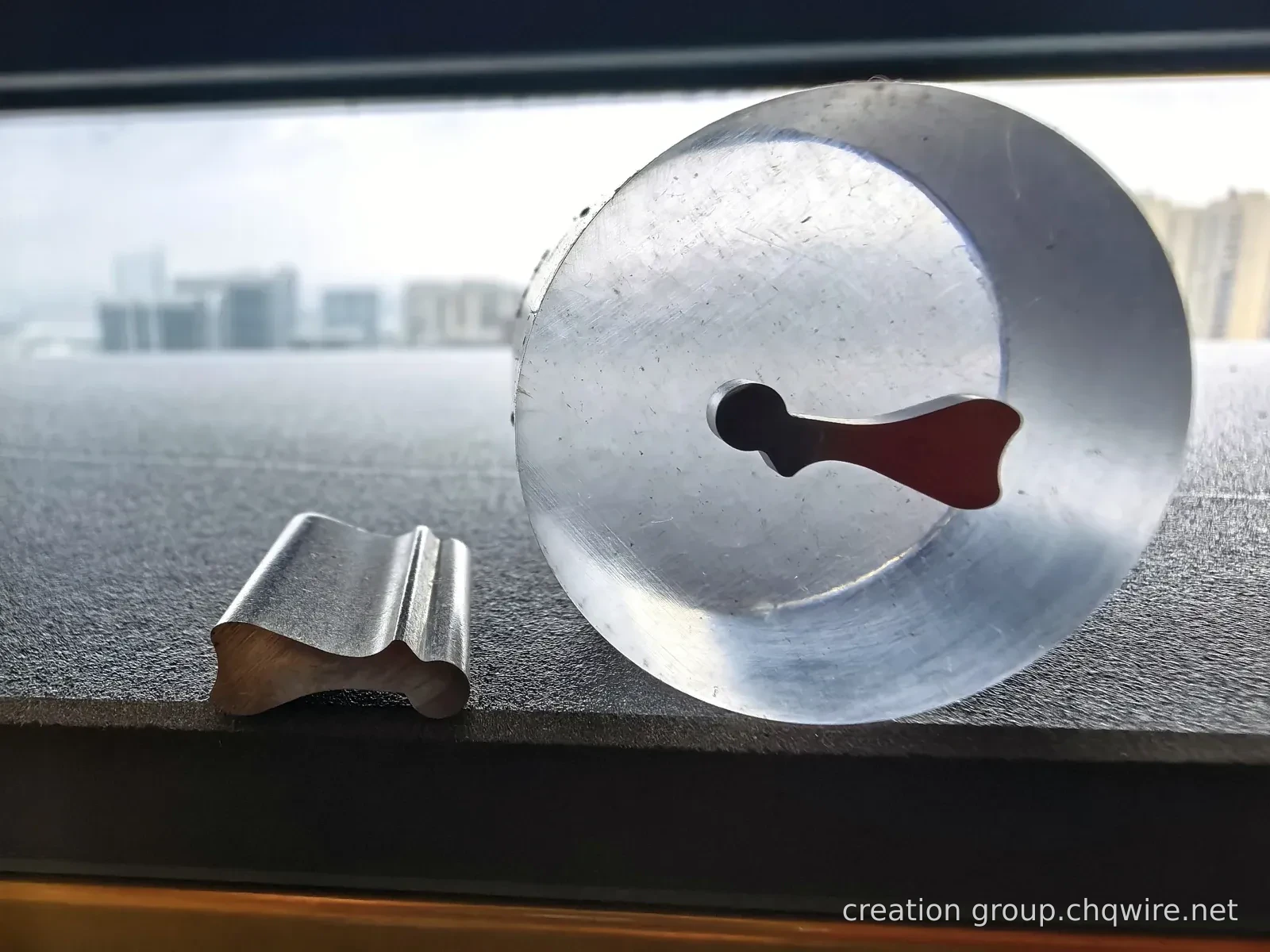
Photo recording
Technical Reference Materials
- [1] MTZ Worldwide: Integrated Oil-Vacuum Pump Technology ↗
Holger Conrad; Martin Janssen; Peter Wieske — Combined Oil-Vacuum Pump. MTZ Worldwide 7–8/2015, pp. 8–13 (PDF 11–16).
- [2] MAHLE: Oil Management and Controllable Pendulum-Slider Oil Pump ↗
Manufacturer’s technical overview of demand-based lubricating-oil supply; overall pump-level technical background does not constitute a performance commitment for this profile wire sample.
- [3] Ovako: 100Cr6 Material Data ↗
Material producer’s description of 100Cr6 variants, delivery conditions, and typical properties; such data pertains exclusively to the producer’s own products and cannot substitute for the quality assurance certificate or acceptance documentation of this batch of wire.
Development Q&A
Do the referenced oil-pump images represent the customer or vehicle model for this sample?
No. The images and published literature serve only to illustrate typical pendulum-slider oil-pump architecture. They do not indicate a supply relationship with the depicted manufacturer, nor confirm universal use of 100Cr6 for pendulums in those pumps. Specific vehicle models, pump types, materials, and assembly requirements are governed solely by project documentation.
Can the video and 3D model serve as dimensional or performance acceptance criteria?
No. The video demonstrates in-house samples and tooling; the 3D model supports cross-sectional communication. Formal acceptance requires the approved drawing, material certification, dimensional and surface inspection reports, and agreed-upon heat-treatment and functional test results; displayed length does not equate to delivered cut-length.
Related cross-sectional cases
Material data and technical communication
Technical requirements must include cross-sectional drawing and revision, critical tolerances, subsequent processing steps, delivery form, and inspection requirements.
View material selection documentation Submit technical requirements ↗