
PROFILE DEVELOPMENT / 6A
Flat wire for automotive air-spring support and clamping rings
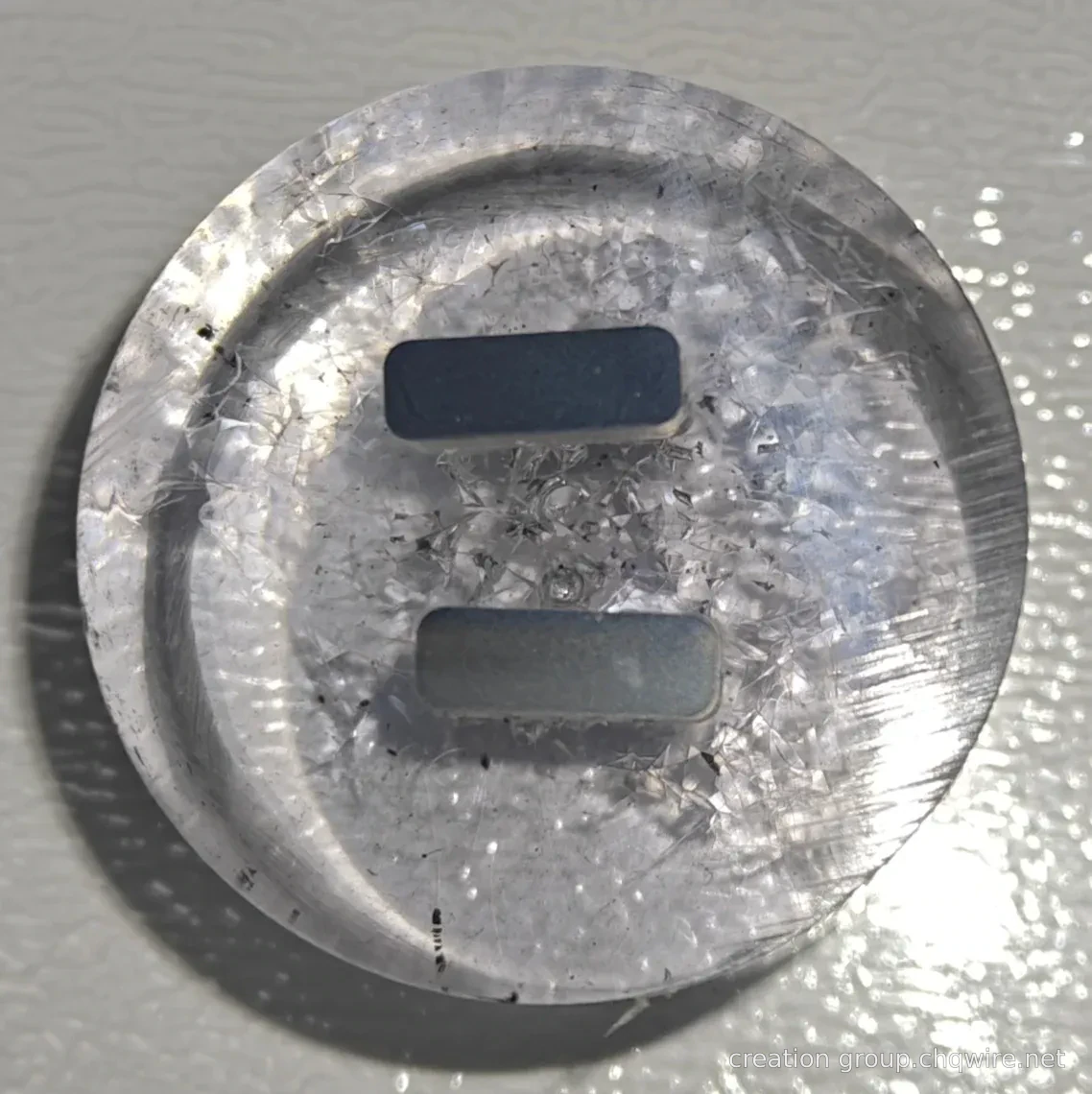
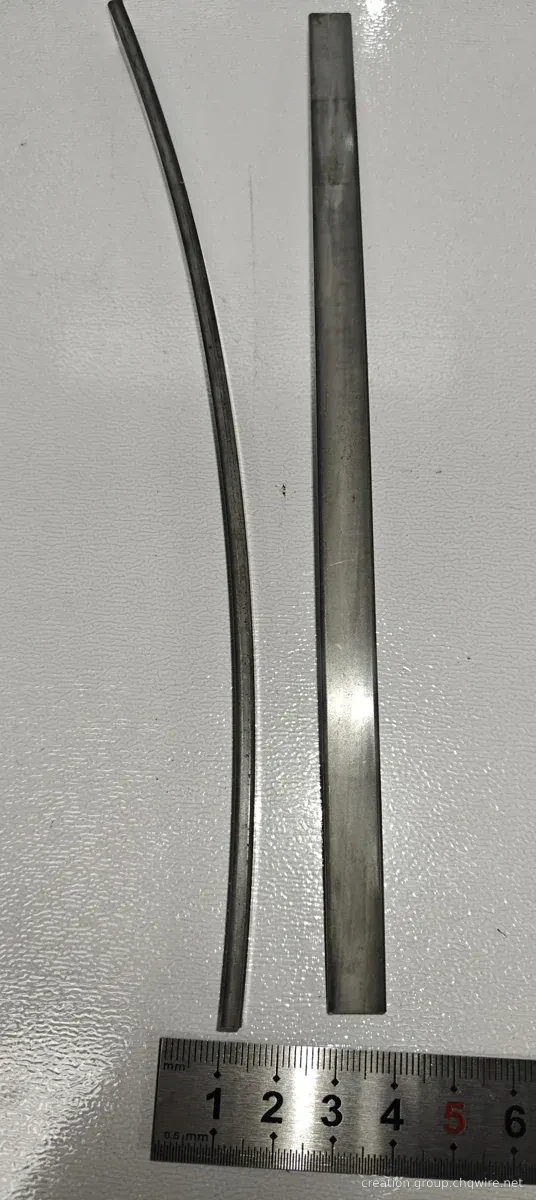
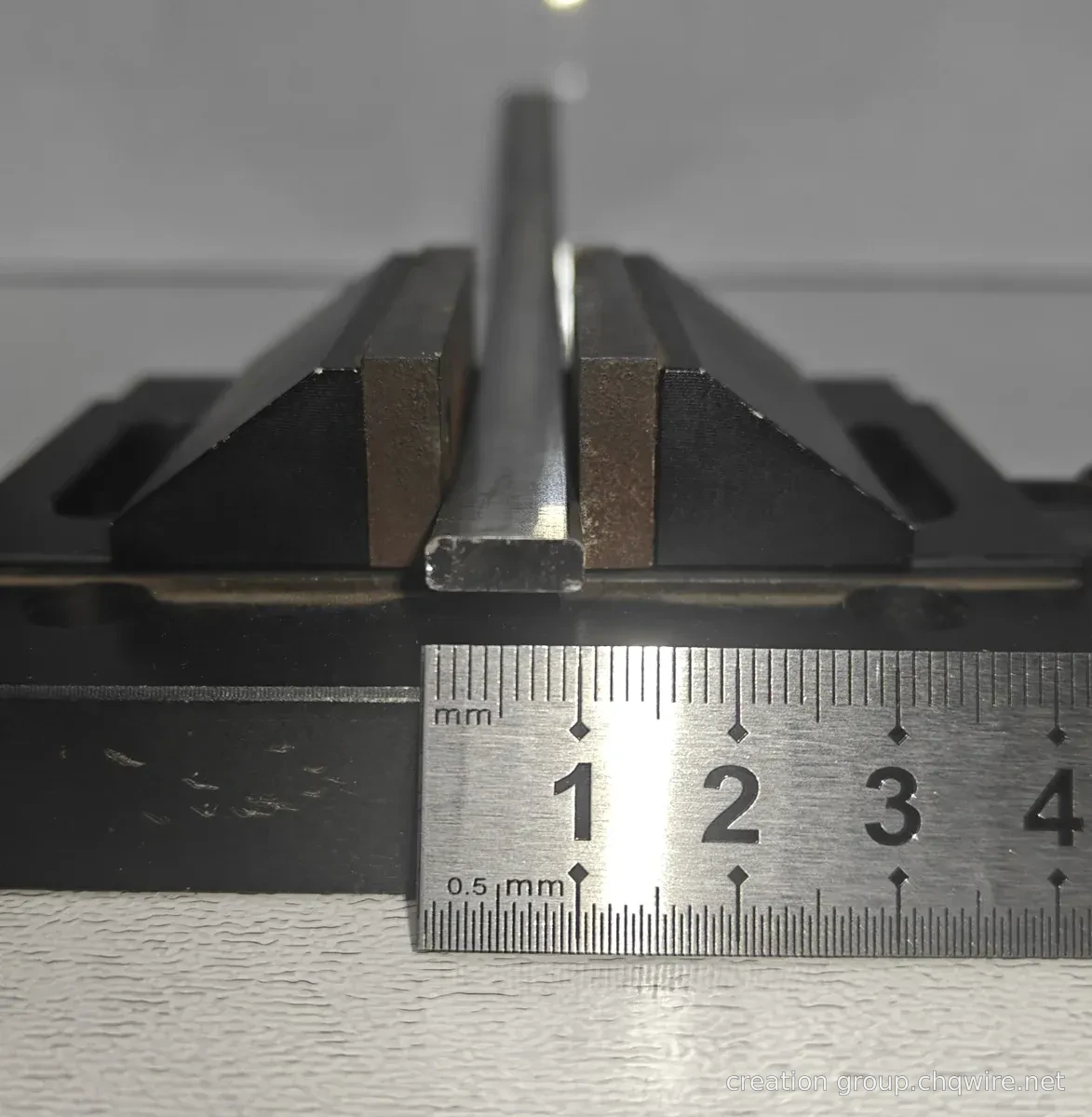
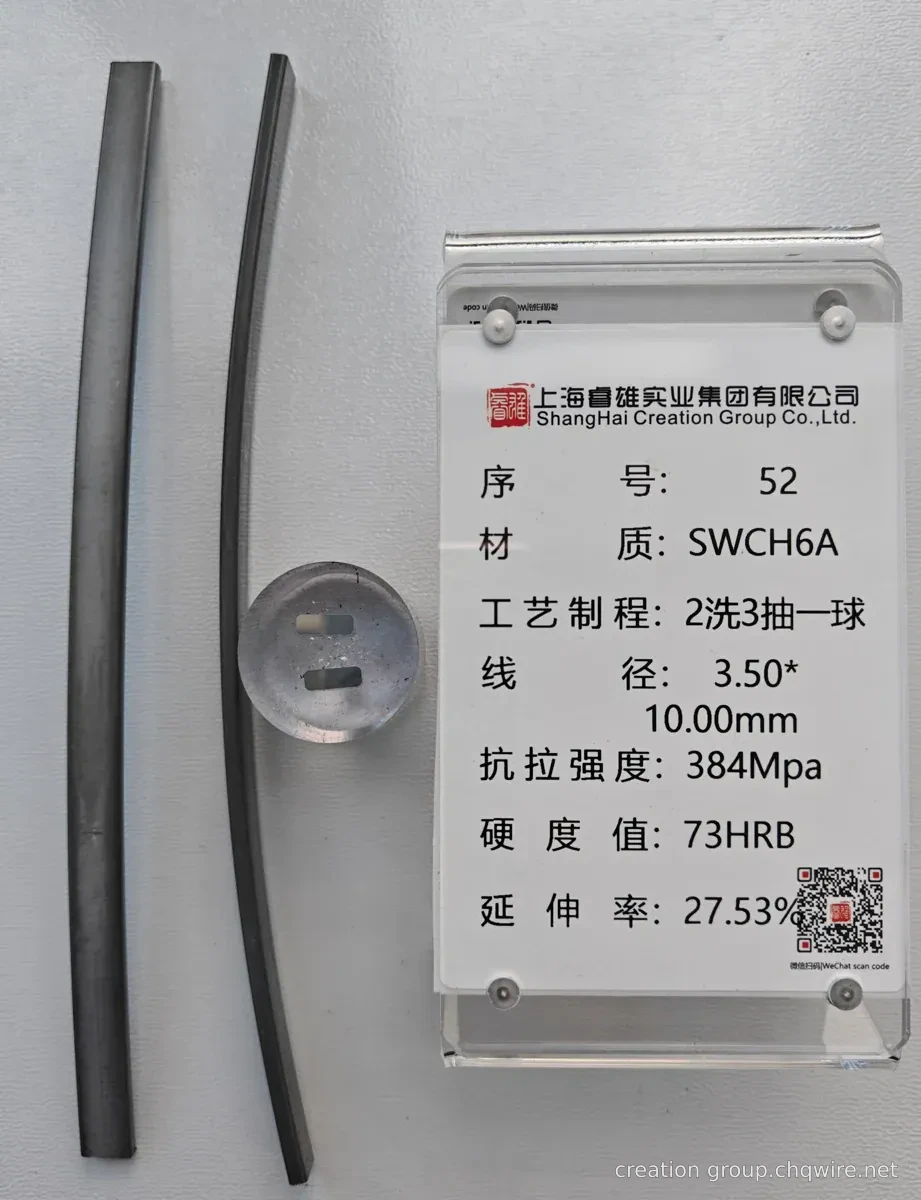
6A 3.5 × 10 Flat Wire for Automotive Air-Spring Support Rings and Clamping Rings: Flat-shaped sample record. This case catalogues the 6A material designation and nominal dimensions 3.5 × 10 mm. Thickness direction, width direction, and edge radius of the flat cross-section must be defined separately.
Geometric Focus Points
Thickness, width, edge fillets, and width-to-thickness ratio
Thickness uniformity, edge shape, and torsion
Confirm technical requirements based on the drawing
Cross-sectional features and review points
This case records material grade 6A and nominal dimensions 3.5 × 10 mm in the catalog. For flat cross-sections, thickness direction, width direction, and edge fillet must be defined separately.
Drawings and measurement requirements
Recommend specifying thickness sampling location, width datum, edge transition, and measurement method—avoid conflating readings at edge fillet positions with thickness in the flat region.
Delivery and subsequent processing
Cross-sectional orientation, surface condition, coil vs. straight form, and straightening requirements for subsequent bending or feeding must be specified as independent technical conditions.
Documentation basis and scope of confirmation
Data originates from this case’s catalog and internal sample photographs; catalog dimensions are nominal values, and photographs do not substitute formal inspection reports. Material standards, mechanical properties, heat treatment, supply conditions, and acceptance criteria must be confirmed per project.
Photo recording
Development Q&A
How is the thickness direction confirmed for flat wire of dimension 3.5 × 10?
Orientation shall follow the directional identifiers specified in the approved drawing, and measurement locations for width and thickness must be explicitly defined—product name alone is insufficient.
Must edge geometry be specified separately for flat cross-sections?
Yes. Fillets, chamfers, or other transitions affect cross-sectional definition and must be explicitly defined in the drawing, including shape and inspection location.
Related cross-sectional cases
Material data and technical communication
Technical requirements must include cross-sectional drawing and revision, critical tolerances, subsequent processing steps, delivery form, and inspection requirements.
View material selection documentation Submit technical requirements ↗