
PROFILE DEVELOPMENT / C4C
C4C ellipse
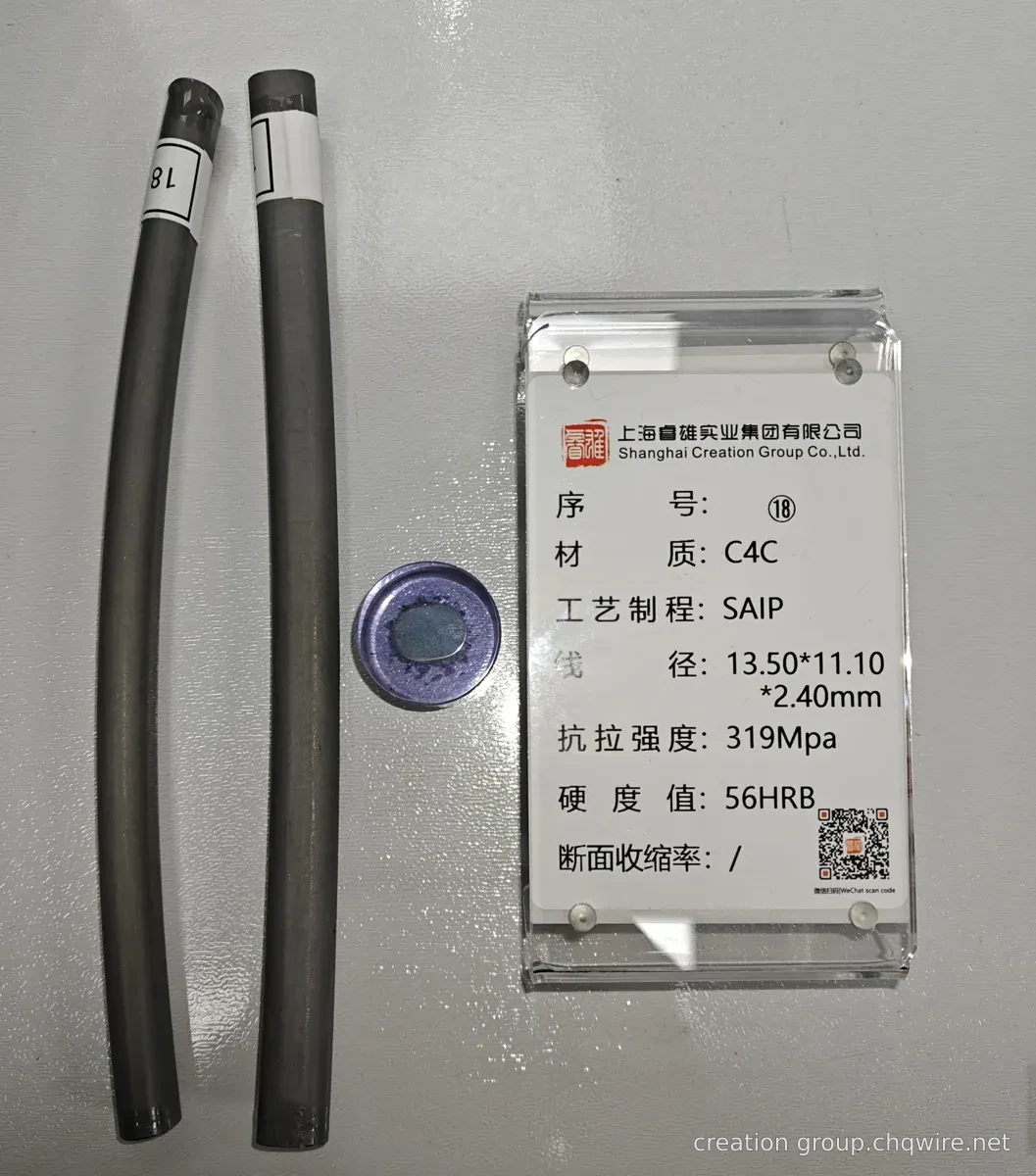
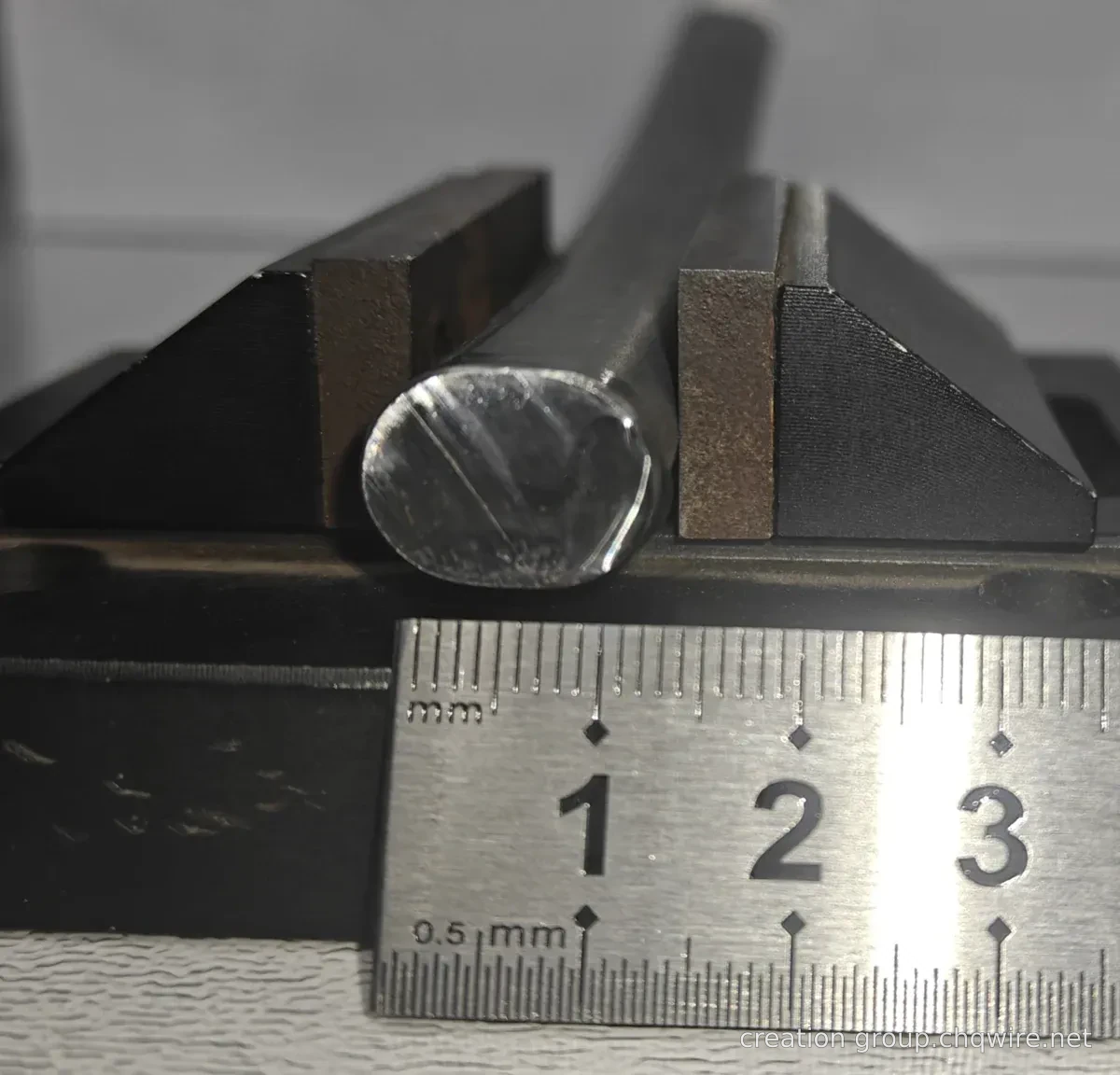
C4C Ellipse: Elliptical sample record. For C4C elliptical samples, cross-sectional communication focuses on major axis, minor axis, and their orientation; the full contour cannot be represented by a single diameter.
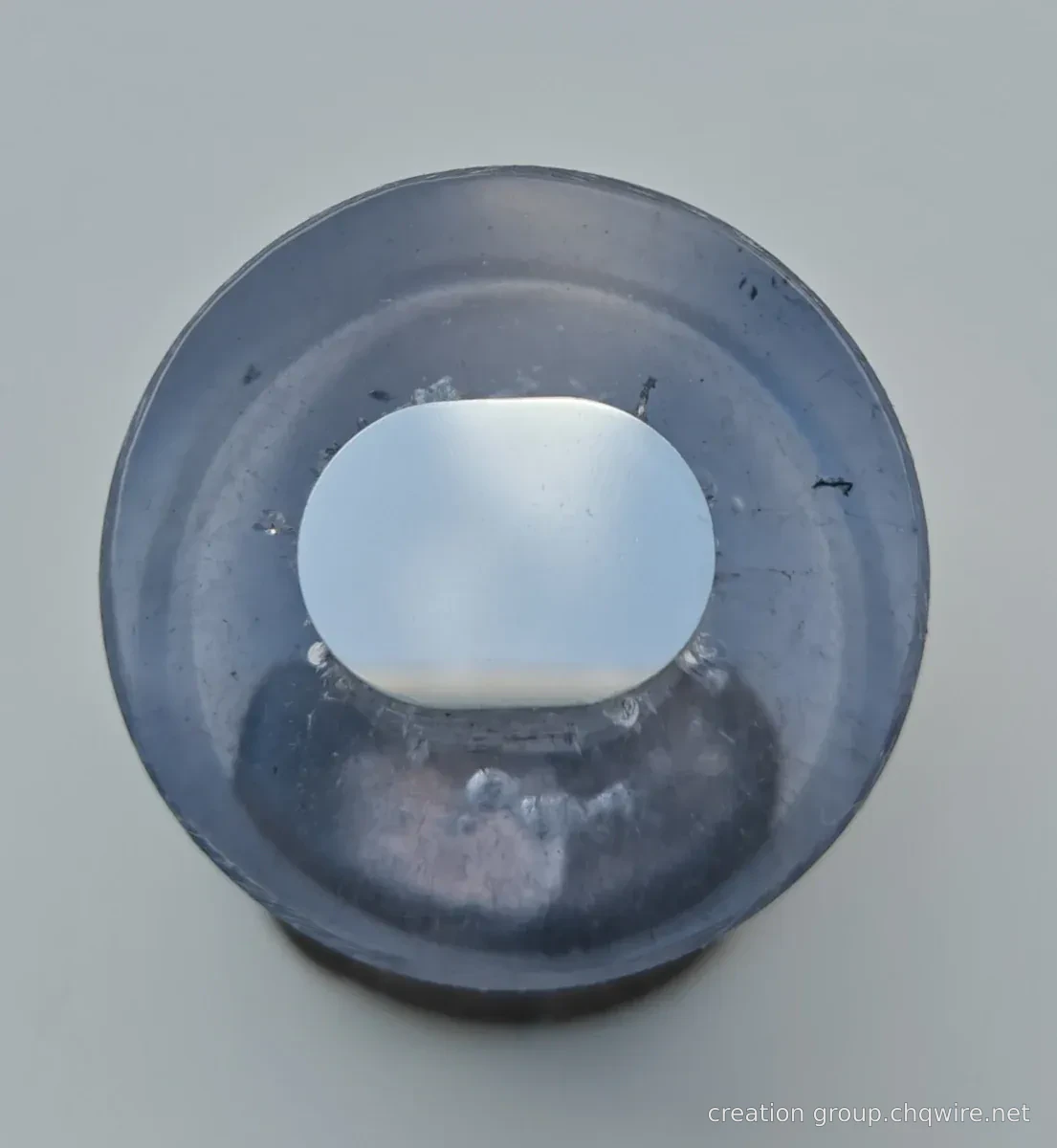
Geometric Focus Points
Major and minor axes, elliptical profile, and cross-sectional orientation
Consistency of major and minor axes, profile deviation, and torsion
Confirm technical requirements based on the drawing
Cross-sectional features and review points
For C4C elliptical samples, cross-sectional communication focuses on major axis, minor axis, and their orientation; the full contour cannot be represented by a single diameter.
Drawings and measurement requirements
Recommend specifying major/minor axis dimensions, contour requirements, and measurement direction in the drawing; if installation or feeding orientation is required, extend axial identifiers into inspection records.
Delivery and subsequent processing
Material identification follows the original catalog; execution standards, mechanical properties, and delivery condition require separate confirmation. Subsequent interfacing requirements shall include actual contact areas and related drawings.
Documentation basis and scope of confirmation
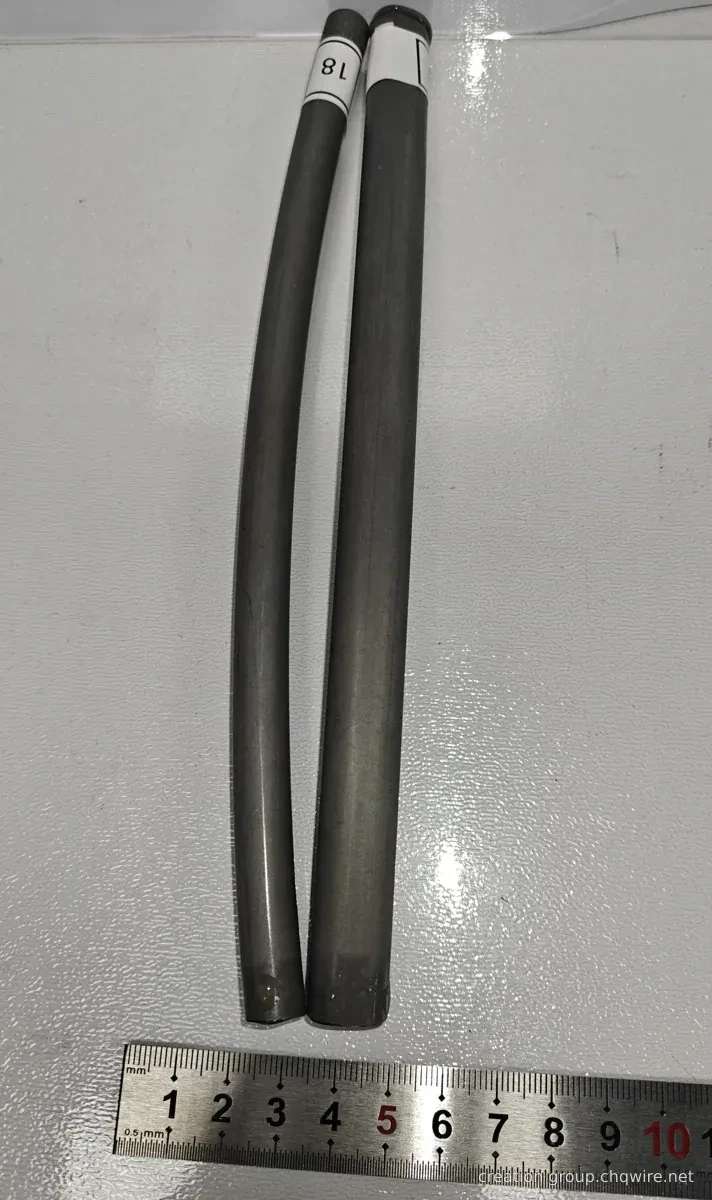
Data originates from this case’s catalog and internal sample photographs; catalog dimensions are nominal values, and photographs do not substitute formal inspection reports. Material standards, mechanical properties, heat treatment, supply conditions, and acceptance criteria must be confirmed per project.
Photo recording
Development Q&A
Why can an elliptical wire not be defined by a single diameter?
Elliptical cross-sections require distinction between major and minor axes, with explicit orientation and contour requirements; a single diameter cannot fully define the target geometry.
How is the orientation of an elliptical cross-section recorded?
Standardize major/minor axis labeling in drawings and inspection records; if oriented feeding is required downstream, specify the corresponding axis orientation relationship.
Related cross-sectional cases
Material data and technical communication
Technical requirements must include cross-sectional drawing and revision, critical tolerances, subsequent processing steps, delivery form, and inspection requirements.
View material selection documentation Submit technical requirements ↗