
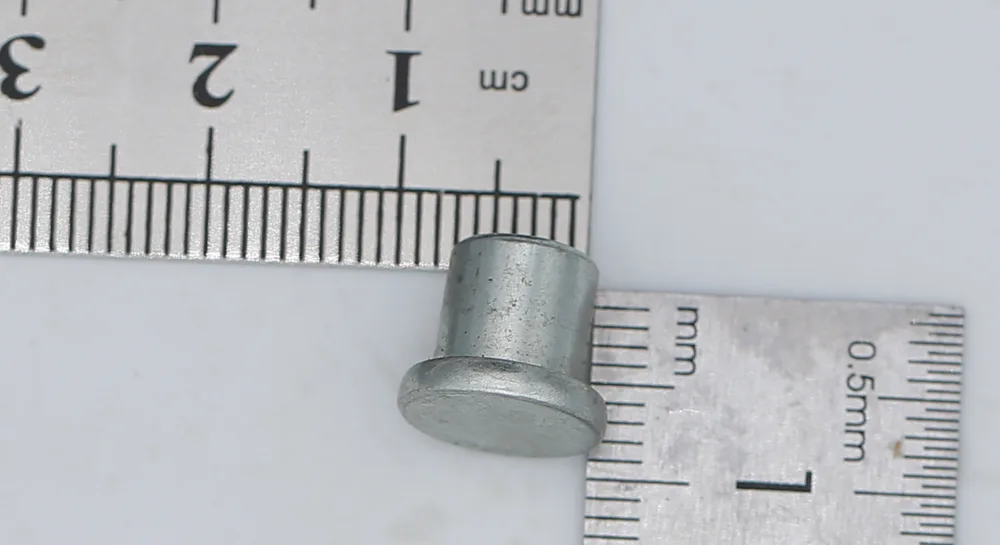
Chemical composition
Cast analysis, mass fraction %. Unspecified values are not zero.
| Element | Mass fraction / % |
|---|---|
| C | 0.3~0.4 |
| Si | 0.3~0.7 |
| Mn | 0.6~1 |
| Cr | 1.5~2 |
| Mo | 0.35~0.55 |
| P | ≤0.03 |
| S | ≤0.03 |
Properties and applicable conditions
| Property | Standard requirements and applicable conditions |
|---|---|
| Usual delivery condition | Quenched and tempered, approximately 300 HBW (Table 4 note e); this is not a maximum annealed hardness. |
Standard reference and ordering limitations
- Cast analysis, mass fraction %. A dash means the standard gives no separate requirement; it does not mean zero.
- Unlisted elements shall not be intentionally added without purchaser consent, except additions needed to finish steelmaking.
- Permissible product-analysis deviations do not expand the default cast-analysis limits.
- Tool-steel classification and hardness depend on application, heat treatment and test conditions; they do not establish cold-heading suitability or guarantee properties in an arbitrary condition.
- Table 4: alloy cold-work tool steels; cast analysis, wt%; default P and S each ≤.030%.
- Product-analysis deviations in Table 5 must not be applied to the default cast-analysis limits.
- Unlisted elements shall not be intentionally added without purchaser consent, except to finish steelmaking. Dashes are not entered as zero.
- Annealed and cold-drawn (+A+C) hardness may be 20 HBW higher than annealed (+A) hardness. Hardness values for different conditions must not be interchanged.
Reference: BS EN ISO 4957:2018,Table 4 and notes a–g. Website information does not replace the official standard, order specifications or material certificates.
Illustrative packaging
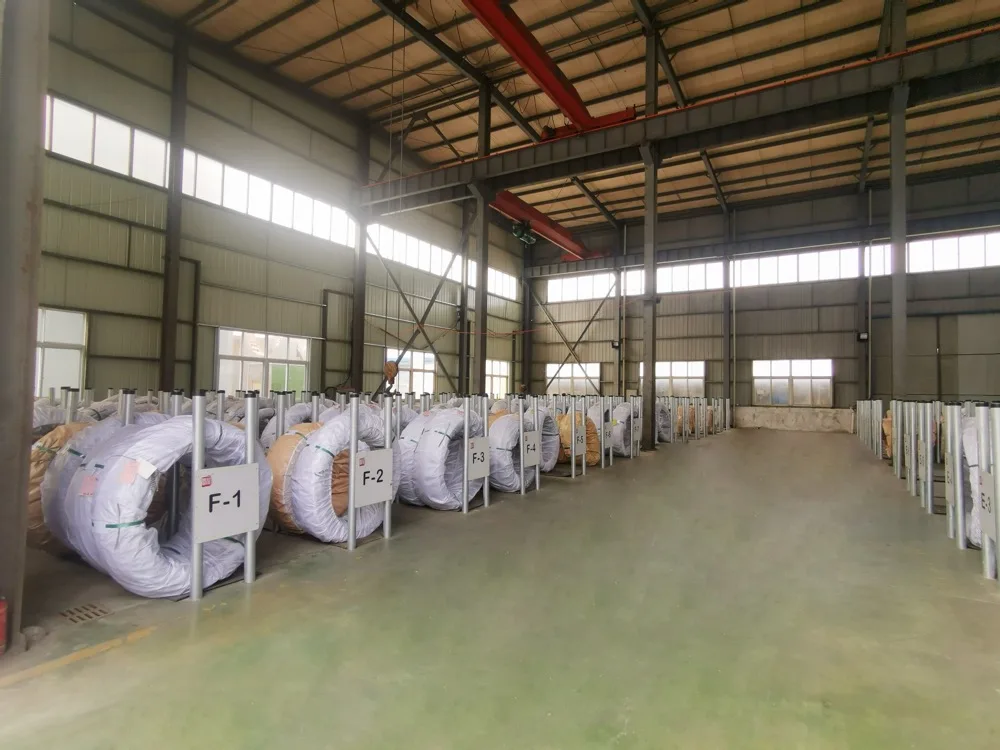
Product and packaging images are illustrations; they do not identify a heat, stock availability, dimensions or a default delivery method. Confirm product form, delivery condition, packaging and acceptance requirements in the enquiry and order.