
For SCM435 orders with strict decarburization limits, we retain pre-anneal pickling whenever it is necessary to the validated process. We retain the operation even under cost pressure.
Skipping a pickling operation saves processing cost. If hot-rolled rod enters the furnace with its mill scale, the scale may contribute to decarburization during spheroidizing annealing. Compliance must be judged on the actual lot delivered to the customer.
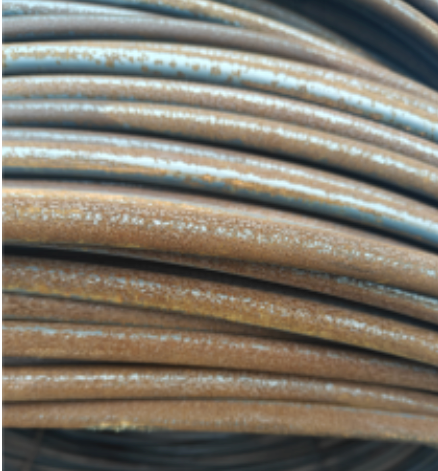
How mill scale can affect delivery quality
During spheroidizing annealing, carbon near the steel surface can participate in the reduction of mill scale. When the resulting carbon-containing gases escape, the surface loses carbon. Experiments on low-carbon steel observed this mechanism even in pure nitrogen. DOI 10.1007/s11085-017-9810-9
In a hydrogen-containing atmosphere, reduction of the scale by hydrogen can also produce water vapor, which can react with carbon in the steel. Whether additional decarburization is detectable, and how far it extends, depend on the scale condition, furnace atmosphere and thermal exposure. DOI 10.1016/j.ijhydene.2017.01.230
Pickling before annealing removes the scale that can participate in these reactions and reduces that part of the risk. Pickling after annealing can clean the surface, but cannot restore carbon lost in the furnace. Hot-rolled feedstock may already have a decarburized layer; its depth at delivery is determined by examining a cross-section of the relevant lot.
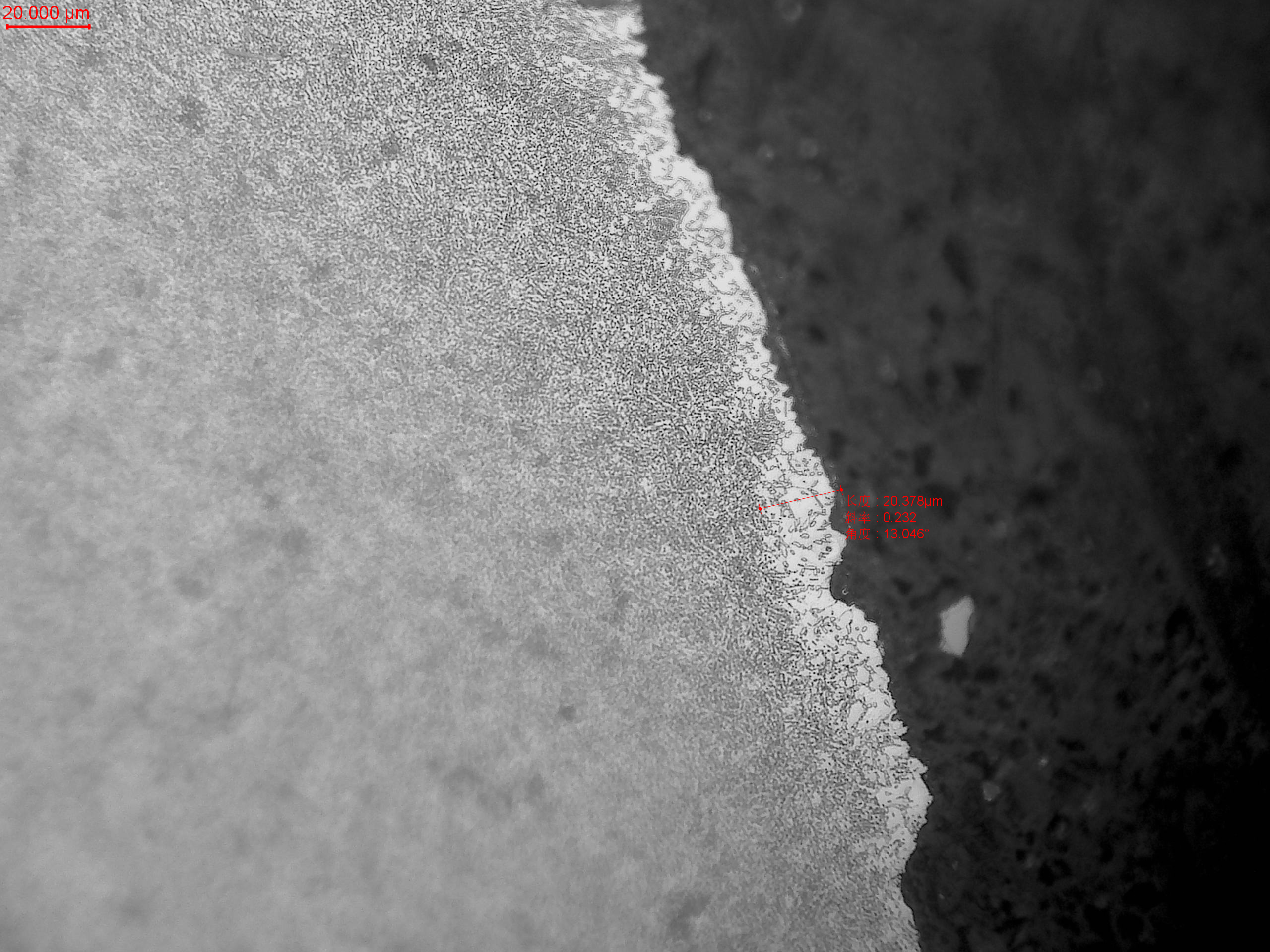
Meeting the customer’s agreed delivery requirements
A process change can be considered once the wire is shown to meet the agreed delivery requirements consistently. Creation Group assesses orders with decarburization limits against the technical agreement. Where limits are specified for complete and total decarburization, each is assessed separately.
Discuss your SCM435 cold-heading wire requirements
If you are sourcing spheroidized SCM435 wire, send us the wire diameter, the intended component and any specified decarburization limits. We can discuss the delivery condition and supply requirements for your project.